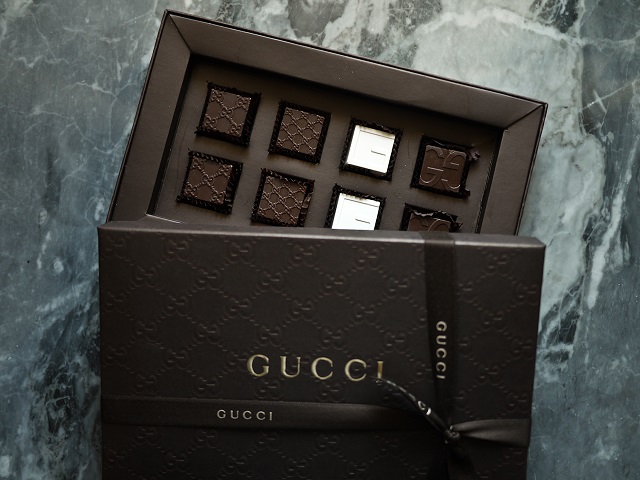
 Alibaba was this past week sued by luxury good manufacturers on claims that the E-commerce company was infringing on the rights of the brands. The luxury brands include Gucci and Yves Saint Laurent allege that Alibaba knowingly allowed for the the sell of imitations of the luxury products throughout the world using their platforms. This is the second time that Kering (holding company owner of Alexander McQueen, Balenciaga, Brioni, Gucci, Puma, Volcom) is suing Alibaba over fakes.
In its suit, Kering alleges that bags bearing the Gucci trademark were sold on the Alibaba platform for $2 compared to the $795 for an authentic version. In addition, when a user types the words “replica” in the search bar on the Alibaba website, the websites algorithms direct the customer to merchants selling counterfeits.
Alibaba has come out saying the accusations “have no basis”. The company also said it will continue working with numerous brands to help them protect their intellectual property. The company also rubbished the suit in a statement calling the path chosen by Kering Group as wasteful litigation instead of constructive cooperation. In deed Alibaba has a problem with counterfeit goods. Earlier this year, the Chinese government accused the E-commerce company of laxity in its business practices that allowed merchants selling knock-offs to thrive. The report further alleged that Alibaba was turning a blind eye to illegal activity by failing to police the platform with smartphones and designer bags forming the bulk of illegal counterfeit goods sold.
As a counter to the problem, Alibaba has today launched a solution that involves adding a unique QR code-like tags on every product. The solution called the dotless visual code resembles the normal QR codes with patterns of dots in all four corners. Unlike QR codes, the version allows the addition of images in the middle of the code, which can help with more visual branding efforts. On receiving their orders, the customers then scan the codes on the products using Alibaba’s Taobao app to confirm the authenticity of the product. The product is being tested with cosmetics maker L’Oreal before launching full scale to Alibaba retail customers.
In February of last year, Alibaba reported that it had removed over 100 million allegedly counterfeit product. à la counterfeits, Alibaba needs to do more. Much much more than QR codes.