




 Alright. The Data Protection, 2019 Bill is now law, and based on the responses we received from our news desk, it was one of the most critical and most awaited legislations that friends of the ICT industry, as well as people who are well versed with data regulation, and want the right to have a say about the management and processing of personal information wanted so much. Most of us are glad that the exercise, which we have extensively covered in the past, came to a conclusion in the name of President Kenyatta’s signature. However, we are waiting to see if the Data Protection Commissioner will enforce the legislation, bearing in mind that other nations across the globe continue to encounter setbacks in the same space.
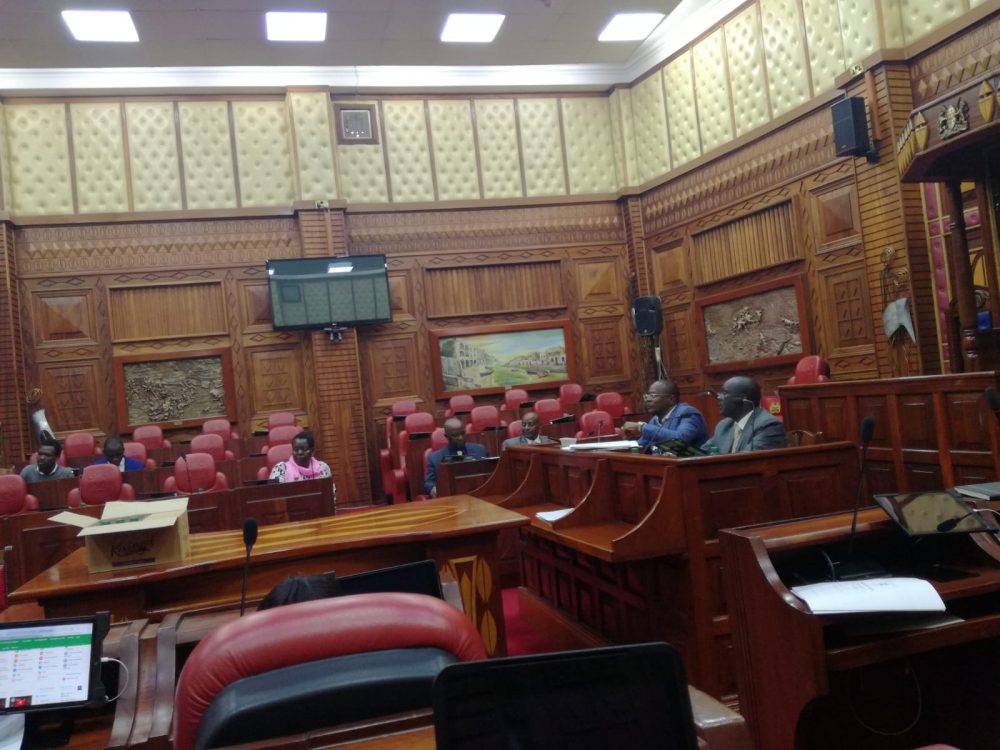
Now, today, the House was exploring the offerings, limitations, and grey areas of the Kenya Information and Communication Bill No 20 of 2019. The bill is not new, having sent a buzz on social media platforms a few weeks ago once its intention was established. Apparently, the State has not been happy in the manner in which Kenyans and online media channels and platforms such as blogs have been conducting themselves. The bill looks forward to introducing some sanity in the space, although others opine that it targets to quiet some vocal online publishers.
Part of today’s deliberations examined the need to license social media platforms and the sharing of information by licensed digital mouthpieces, not to mention the case of developing obligations to social media users. Furthermore, the bill discusses the essence of licensing bloggers – a task that will be accorded to the Communications Authority of Kenya (CA) that will formulate a bloggers code of conduct framework in consultation with bloggers.
Of course, the bill has a fair share of disclaimers: that it does not intend to infringe fundamental rights and freedoms, and that it does not delegate any legislative powers.
So far, no new developments have been given as to what licensing social media platforms mean, and what would happen to groups that will not subscribe to that model. Further detail such as punishment for people who will operate outside the definitions of the bill and when bloggers will be engaged have not been released yet.