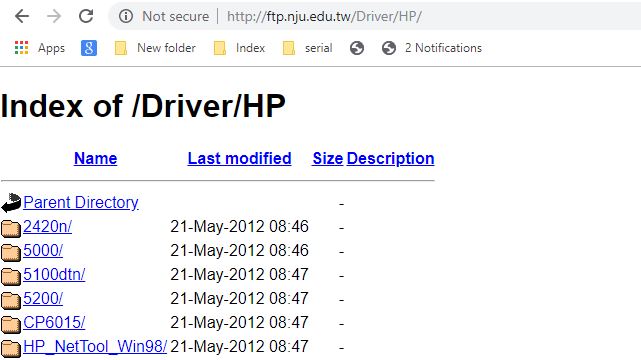
 Some of us have used File Transfer Protocol (FTP) connections to get access to files from the internet. Often, the file-hosting system is used by people who want to provide content such as movies and shows to people who do not want to take extra steps to access those files, legally or otherwise.
It is also worth noting that FTP was developed for managing files in servers, and its creators never intended to make it a secure system because it is subject to a series of vulnerabilities. Nevertheless, its popularity grew astronomically, and still is for a lot of people, although that is about to change if Chrome’s leaning towards security is anything to go by.
Google says it has plans to cut support for antiquated FTP connections because they are unencrypted and prone to spoofing attacks, DDoS and brute force intrusions, to name a few. The path to this decision started a few weeks ago when a developer release channel, namely Chrome 59, started blocking pages that contain FTP connections.
Further refinements saw the browser force to download files from FTP channels instead of browsing through them. The blocking part is mildly evident in non-developer channels because some searches do not return expected, FTP-based content.
Personally, I will be a little hurt to see FTP go in Chrome, bearing in mind Mozilla (that I hardly use) has plans to drop support for the connections too. People have come to love FTP because some primary PC makers such as HP host critical files such as drivers on FTP sites. The development would also see Chrome users search for a different FTP client to download files, which is an extra step that people would rather avoid.