






The NTSA vehicle inspection rules are headed for another fight in court.
Lawyer Charles Mugane has filed a High Court petition against the Traffic (Motor Vehicle Inspection) Rules, 2026, arguing the National Transport and Safety Authority didn’t properly consult the public before rolling them out and that the fees attached to them are unconstitutional.
READ: Everything You Need to Know About NTSA Mandatory Vehicle Inspection
Mugane’s petition isn’t the first attempt to stop this kind of rule, and the public participation argument has already lost once this year. In April, the High Court dismissed a similar petition from the Road Safety Association of Kenya over an earlier version of the rules.
That case was based on a technical issue with NTSA’s email submission system during the public consultation period. The court ruled that the problem did not invalidate the process, saying public participation must be meaningful, not perfect.
If Mugane’s case relies only on the same argument, it faces a court that has already rejected it.
The fee question, however, is different ground. It wasn’t the central issue in the RSAK case, which means Mugane’s claim that the charges themselves are unconstitutional hasn’t been tested in front of a judge yet.
That’s the part of his petition with the most room to actually move the needle, separate from how the public participation argument plays out.
The case also lands at a moment when NTSA has already started backing away from the rules on its own, without being ordered to.
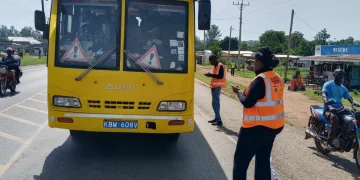
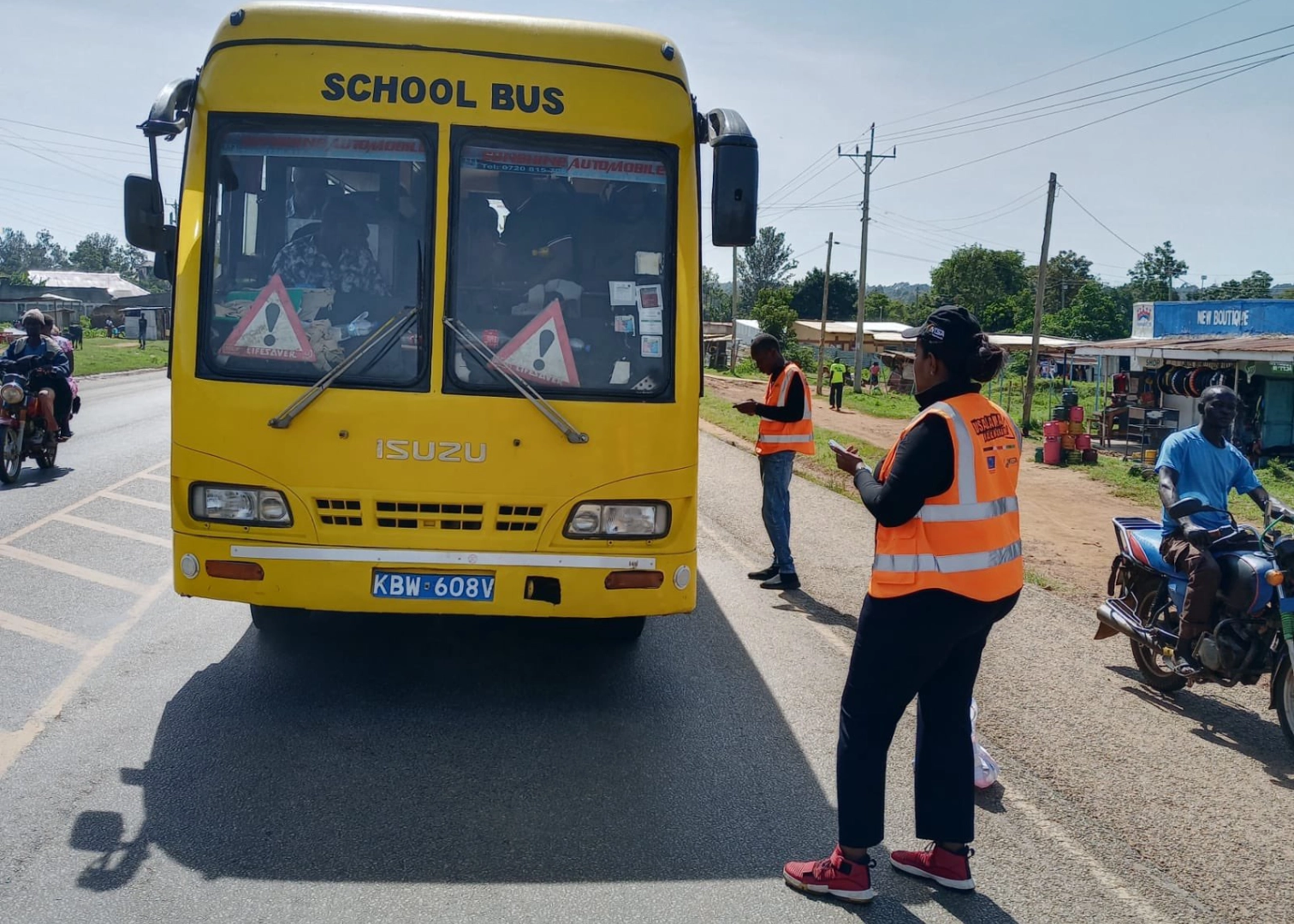
On June 26, the authority said inspections would proceed from July 1 for school transport and commercial vehicles, while enforcement for private cars would be announced separately.
Two days later, NTSA went further, directly instructing traffic officers not to enforce the mandatory inspection requirement on private motorists during road checks, “until further notice.”
Motorists are still expected to book inspections through eCitizen, but nobody can actually be stopped on the road over it for now.
That retreat followed a fast build-up of public and political pressure. Former Interior Cabinet Secretary Fred Matiang’i called on the government to suspend the rollout entirely, demanding NTSA disclose how many vehicles would be affected, how much revenue it expects to raise, and what evidence ties annual inspections to fewer accidents.
READ: Kenya Among the Most Dangerous Places to Drive in the World
The Motorists Association of Kenya called for the same suspension, with spokesperson Peter Murima describing the charges as unfair and pushing for a fuller public review before any rollout proceeds.
DAP-Kenya’s Eugene Wamalwa went furthest, confirming the opposition would file its own legal challenge, warning that NTSA’s inspection capacity can’t handle the volume and that the rushed rollout would open motorists up to extortion by inspectors and police.
None of that pressure has come from a courtroom. NTSA suspended enforcement on its own initiative, which puts Mugane’s petition in an odd position. He’s asking a court to strike down a regulation that the regulator itself has already partly shelved.
READ: Kenyan Court Halts NTSA Instant Traffic Fines Days After Launch
Kenyan courts have previously dismissed similar challenges because the alleged harm had not actually occurred. This week’s warning from the NTSA could end up weakening its own case more than any argument made in its defense.
For motorists, what changes immediately is limited. Commercial and school vehicle inspections continue as planned. The bigger private-vehicle inspection rollout is frozen at the roadside, even though the underlying rule technically still exists on paper.
Whether Mugane’s petition forces a more permanent answer or just runs alongside a policy that’s already stalling on its own is the question going into July.