




There is a special kind of frustration that comes from a game that knows exactly how to keep you hooked. It draws you into its story, gets you invested, then stops just before a major plot twist pays off.
Unsolved: Hidden Mystery Games does this over and over, by design, yet it still manages to be worth playing.
Developed by Artifex Mundi, a studio best known for its hidden object puzzle adventures, Unsolved is less of a single game and more of a collection of stories.
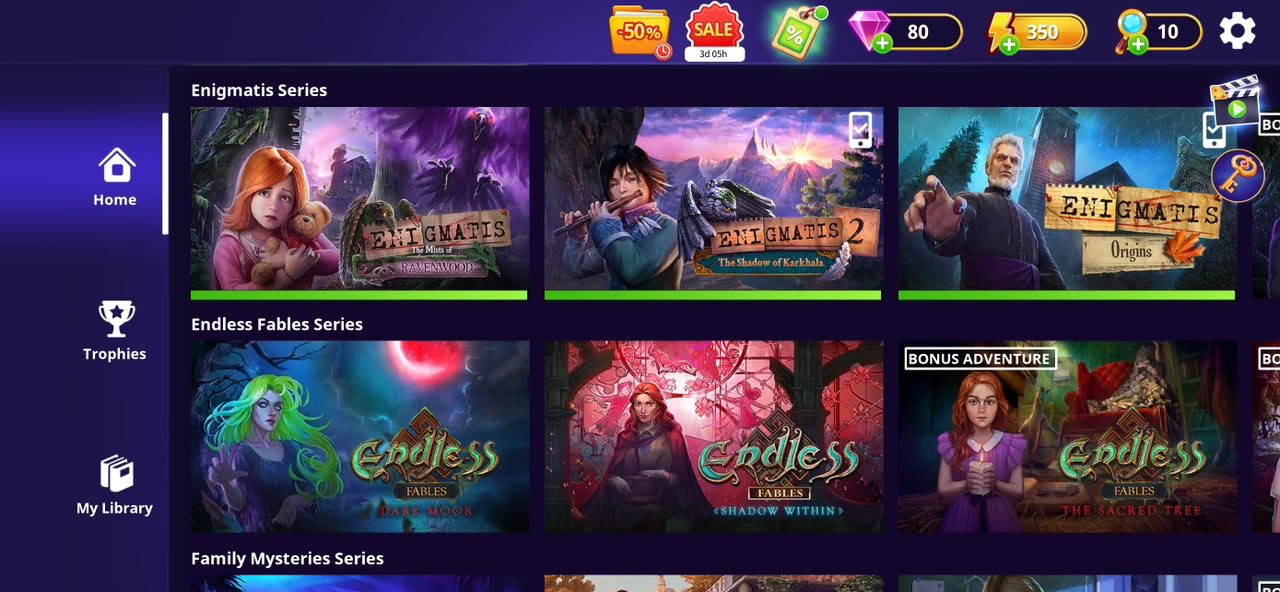
It brings together several of the studio’s standalone premium games, including the Enigmatis and Grim Legends series, into one app. Players can switch between gothic horror, noir detective stories, and supernatural mysteries without downloading separate games.
For anyone new to Artifex Mundi’s work, it’s an easy way to explore a genre that rewards patience and attention to detail.
What the Gameplay Looks Like
The core gameplay combines hidden object scenes, point-and-click exploration, and logic puzzles in a way that feels seamless. Instead of existing as separate activities, each one leads naturally into the next.
A hidden object scene might ask players to find items in a cluttered Victorian study, but those items are more than a checklist. They unlock the next part of the story or become the solution to a puzzle in the following scene.
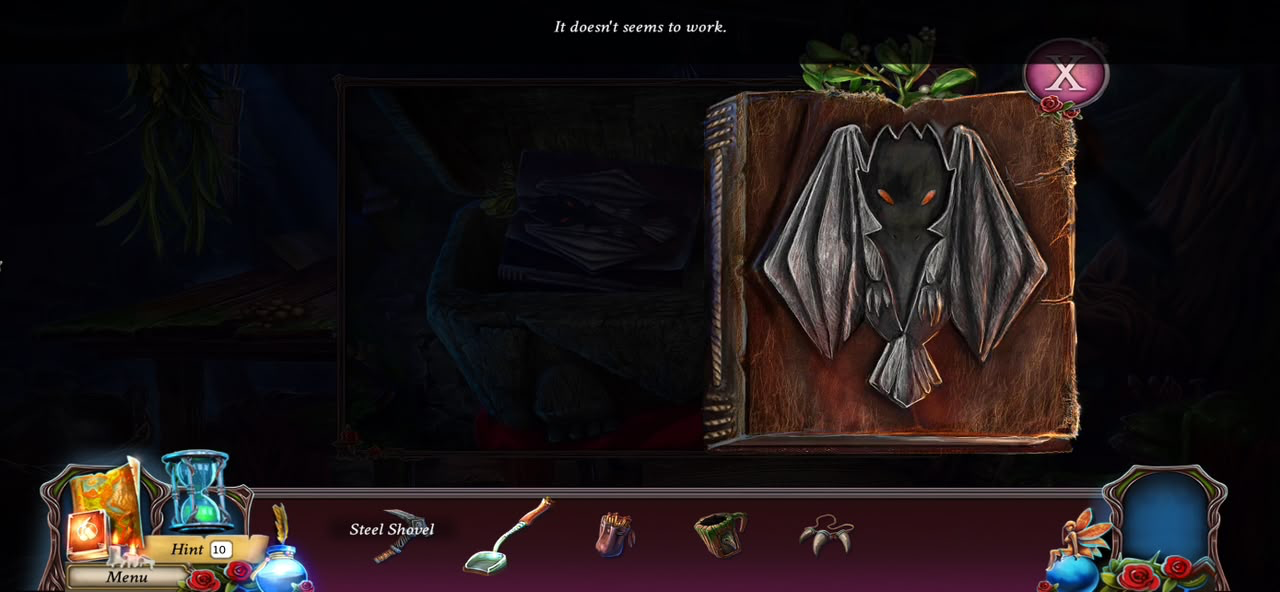
The point-and-click sections let players explore richly detailed environments, inspect objects, collect useful items, and connect clues in ways that will feel familiar to fans of classic adventure games.
The puzzles are the strongest part of the experience. They include mechanical challenges, pattern recognition, spatial reasoning, and symbol matching, with each chapter introducing enough variety to keep things fresh.
They are challenging enough to make players think without becoming frustrating, which is a difficult balance to get right.
Where the Game Earns Its Reputation
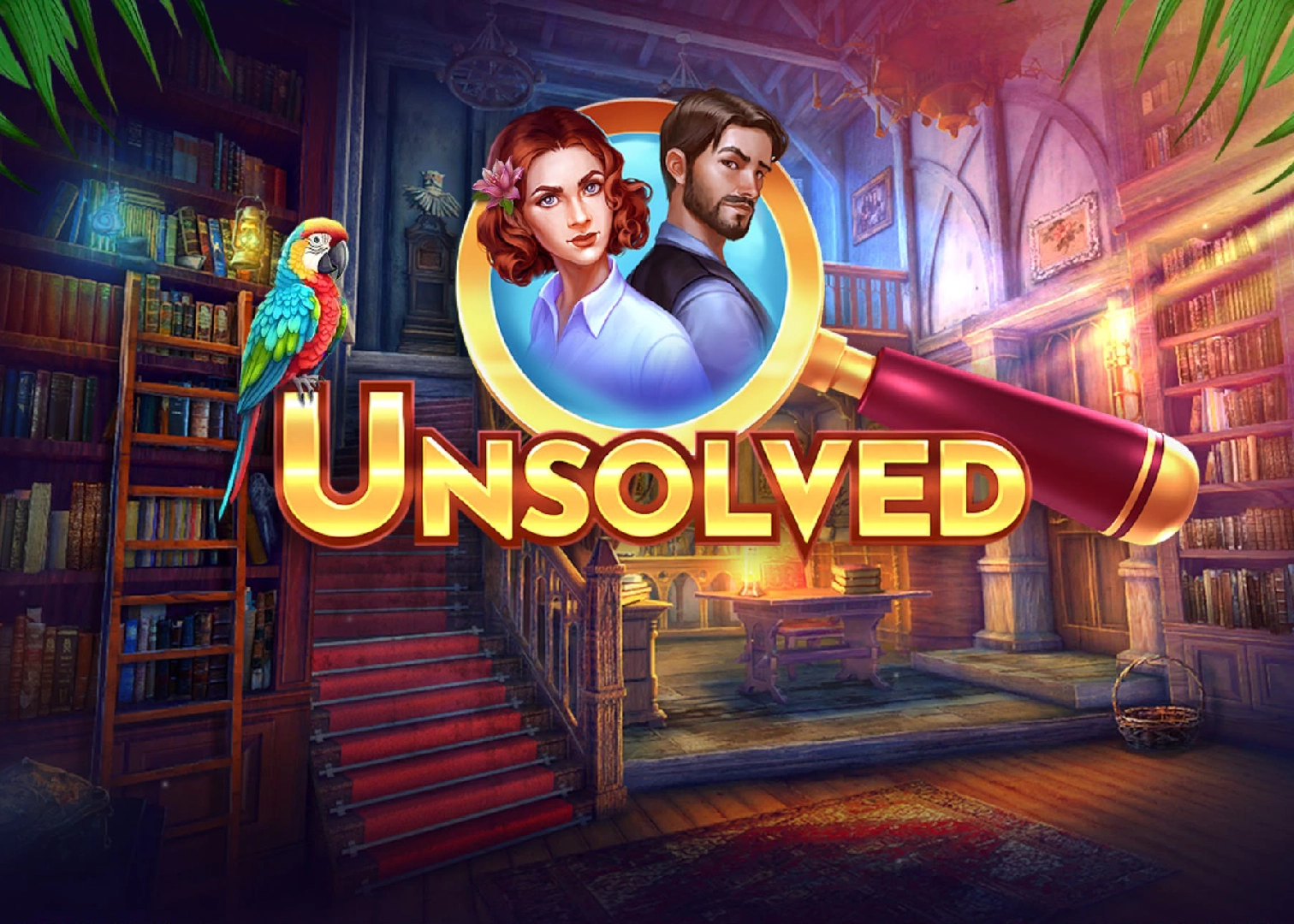
The developer’s hand-drawn art style is what sets Unsolved apart from most mobile games. Every environment is filled with detail and atmosphere, from candlelit manor libraries to fog-covered harbors.
Each location is designed to create a distinct mood instead of simply serving as a backdrop for interactive objects.
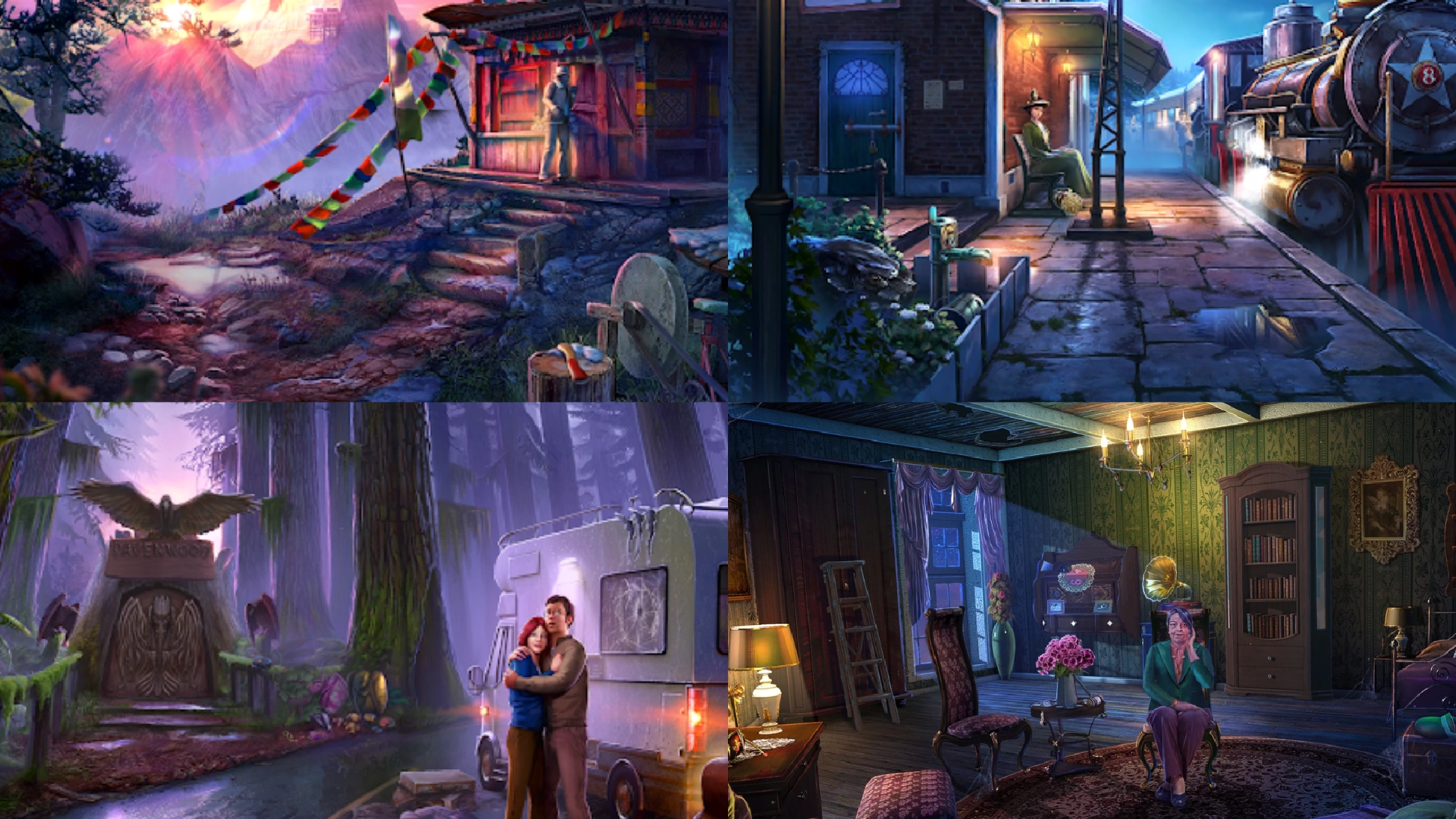
Professional voice acting and a cinematic soundtrack tie everything together, making it feel more like an illustrated mystery novel than a typical mobile game.
That same level of quality also makes the energy system even more frustrating when it starts getting in the way.
The Patience Test
Almost every action in the game uses energy, from opening a cabinet and picking up objects to moving between rooms and progressing through scenes.
Energy regenerates at a rate of one unit every five minutes, but the cap means you can run out after just five to fifteen minutes of focused play.
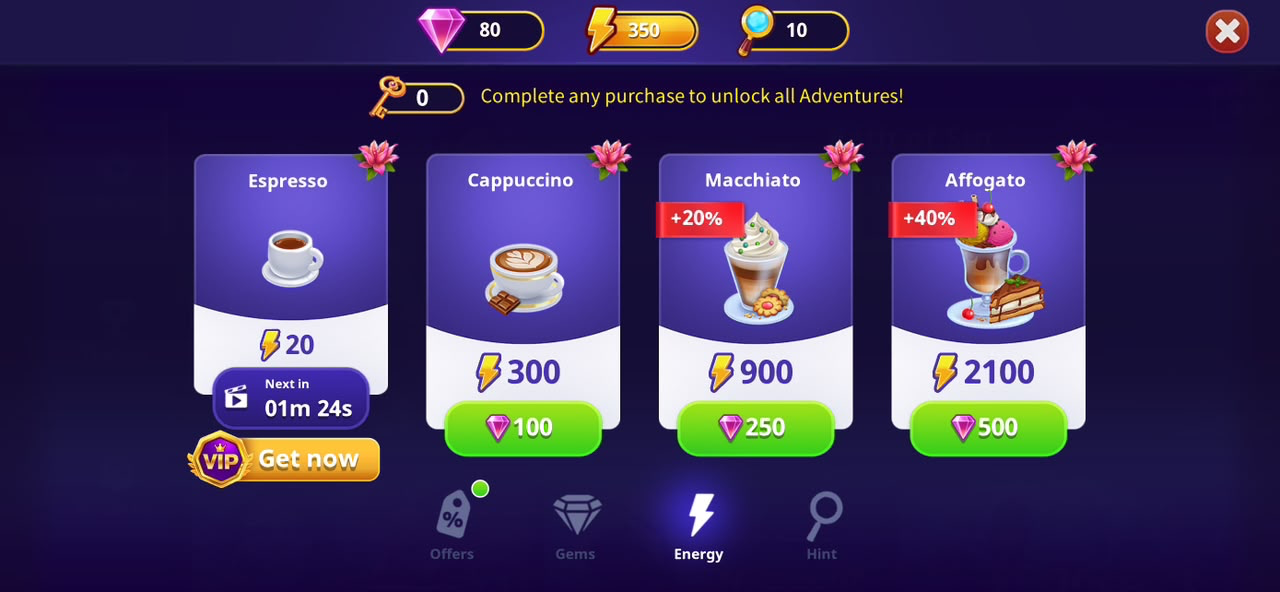
When players run out of energy, they have three choices: wait for it to recharge, watch an optional ad for a small refill, or spend premium currency to continue. The ads are entirely optional, which is rare for free-to-play games like this, and players have responded positively in reviews.
The problem is that the energy limit usually appears at the worst time, often in the middle of a chapter just as the story becomes more engaging. Spending five dollars on premium currency can be enough for less than ten minutes of gameplay, making it hard to justify the cost.
Despite this, the game has a rating of 4.7 on Play Store based on 473,000 reviews and has surpassed 10 million downloads. On App Store, it also has a rating of 4.7 from 54,000 reviews and ranks 86th in the Adventure category.
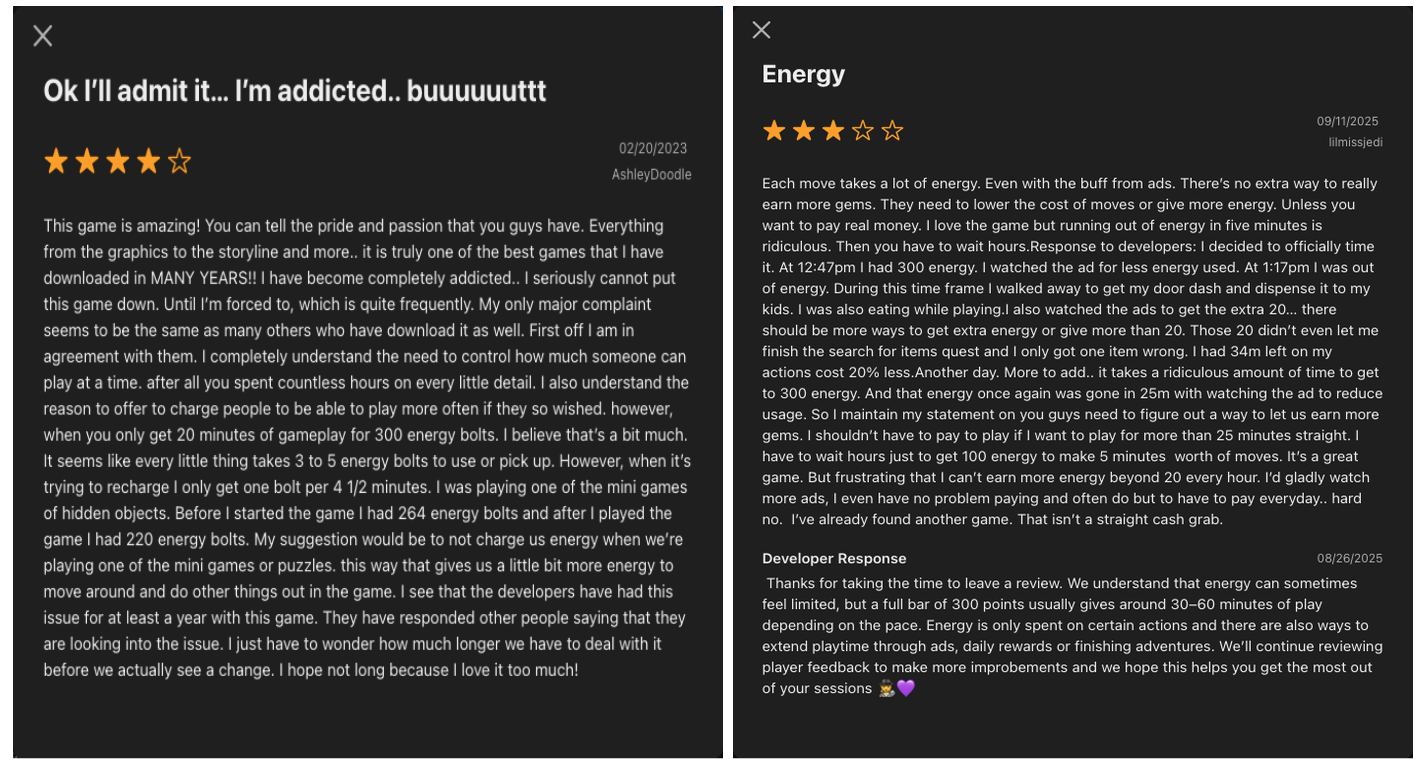
The energy system is one of the biggest complaints in reviews, so the fact that both games still scored so highly speaks for itself.
Who Is This Game For?
Unsolved: Hidden Mystery Games is best suited to players who enjoy short sessions instead of long play periods. This is not because the game fails to keep your attention, but because its energy system limits how long you can play unless you spend money.
For anyone who likes playing games during a commute, a lunch break, or at the end of the day, this format works well. The stories are easy to pause and return to, the puzzles don’t rely on fast reactions or precise timing, and the atmosphere stays engaging even in short five-minute sessions.
For players who like getting lost in a game without interruptions, Unsolved may test your patience. That frustration comes from the game being genuinely enjoyable, which could be a positive or a drawback depending on the kind of player you are.