







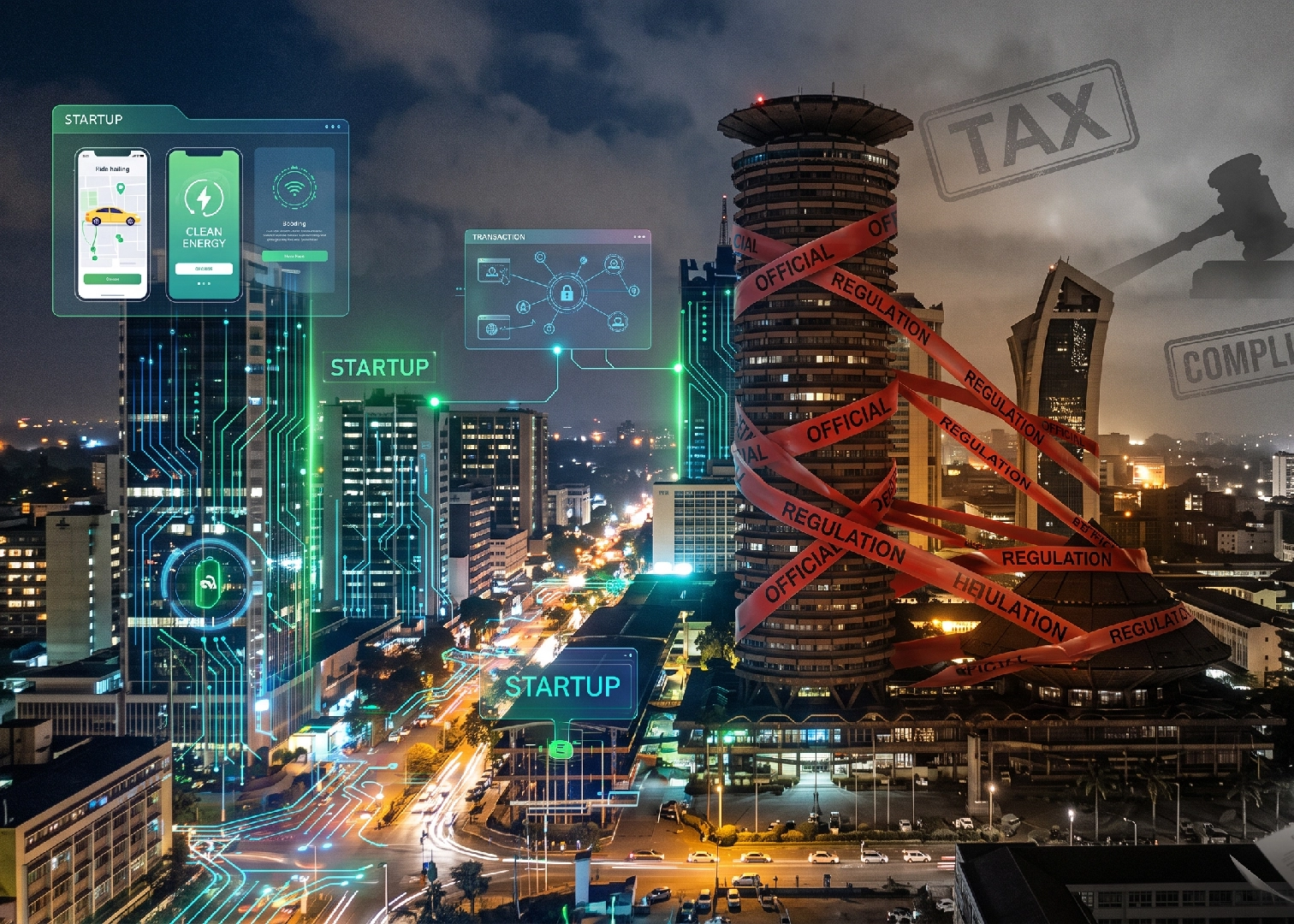
Kenya has established itself as a technology hub, attracting startups and international companies looking to serve its growing digital economy.
However, the shutdown of some businesses and the withdrawal of selected services do raise questions about the country’s regulatory and tax environment.
From clean cooking and digital transport to streaming and vehicle manufacturing, several companies have cited regulatory hurdles or government policy among the challenges affecting their operations.
Their experiences differ, however, and regulation has not been the sole cause of every exit but a symptom.
KOKO Networks’ Exit Exposes the Cost of Regulatory Delays
KOKO Networks shut down in January 2026 after failing to obtain government authorization needed to sell carbon credits in international compliance markets.
The company operated a network of automated dispensers supplying affordable bioethanol cooking fuel to households. Revenue from carbon credits was central to its business model, helping subsidize fuel and stoves.
Without the required authorization, KOKO struggled to sustain its operations and entered administration. Its closure affected households relying on its products and hundreds of employees.
The collapse highlights how government approvals can determine the viability of businesses built around environmental markets. However, KOKO Networks also faced broader commercial and supply challenges, meaning regulatory issues were not the only factor.

Swvl and Little Shuttle Ran Into Transport Licensing Rules
In 2019, the National Transport and Safety Authority (NTSA) stopped Swvl and Little Shuttle from operating their app-based commuter services, arguing that vehicles were using licenses that did not permit them to provide the services offered.
Both companies allowed passengers to book seats on scheduled shuttle routes through mobile apps, providing an alternative to conventional matatus.
Little Shuttle suspended its service from October 2019 while seeking regulatory clearance. Its parent company’s Little Cab taxi-hailing service continued operating.
Swvl continued pursuing the Kenyan market but suspended its commuter and intercity services in June 2022, citing difficult economic conditions. It subsequently withdrew from Kenya as part of a broader retrenchment.
Swvl’s eventual exit cannot be attributed solely to regulation. Nevertheless, the earlier disruption illustrates how licensing requirements can affect technology-enabled transport businesses operating under rules designed around conventional services.
Worldcoin’s Biometric Data Collection Faced Government Intervention
Worldcoin, the biometric identity project operated by Tools for Humanity, suspended its iris-scanning registration activities in Kenya in August 2023 following government concerns about privacy, consent, and biometric data collection.
The suspension halted its rollout while authorities investigated its practices. Although prosecutors closed the criminal investigation in June 2024, the legal dispute continued.
In May 2025, the High Court ordered the company to delete biometric data collected from Kenyans, citing violations of privacy requirements. The case demonstrated the compliance risks facing businesses whose products depend on collecting sensitive personal information.
Worldcoin is not a confirmed permanent exit from Kenya. Instead, it illustrates how regulatory intervention can halt a technology business and impose significant changes on its operations.

Twitch Withdraws Monetization for Kenyan Creators
Livestreaming platform Twitch ended monetization for Kenyan streamers effective September 30, 2025, citing recently imposed regulations that restricted its ability to continue offering the service.
The move affected creators who relied on Twitch’s Partner and Affiliate programs to earn money. However, Kenyans could still access the platform and stream content, making it a partial withdrawal rather than a complete exit.
Local coverage linked the decision to Kenya’s changing digital tax framework, although Twitch did not publicly identify a specific law as the sole reason.
The decision highlighted how changes in digital taxation can affect not only international platforms but also local creators who depend on them for income.
Mobius Motors Struggled with Taxes and Manufacturing Costs
Mobius Motors, the Kenyan manufacturer of rugged SUVs, moved into voluntary liquidation in August 2024 after struggling financially.
Reuters reported that tax increases had made the company’s business model unsustainable, citing a shareholder source. Mobius considered moving its Nairobi assembly operations outside Kenya but concluded that relocating production would be too difficult.
The company also faced competition from cheaper second-hand vehicle imports and the wider challenges of establishing local vehicle manufacturing.
Mobius‘ closure therefore reflects a combination of tax pressures and commercial difficulties. Its experience raises questions about the costs facing businesses trying to manufacture locally while competing against imported products.
When Uber and Bolt Threatened to Leave
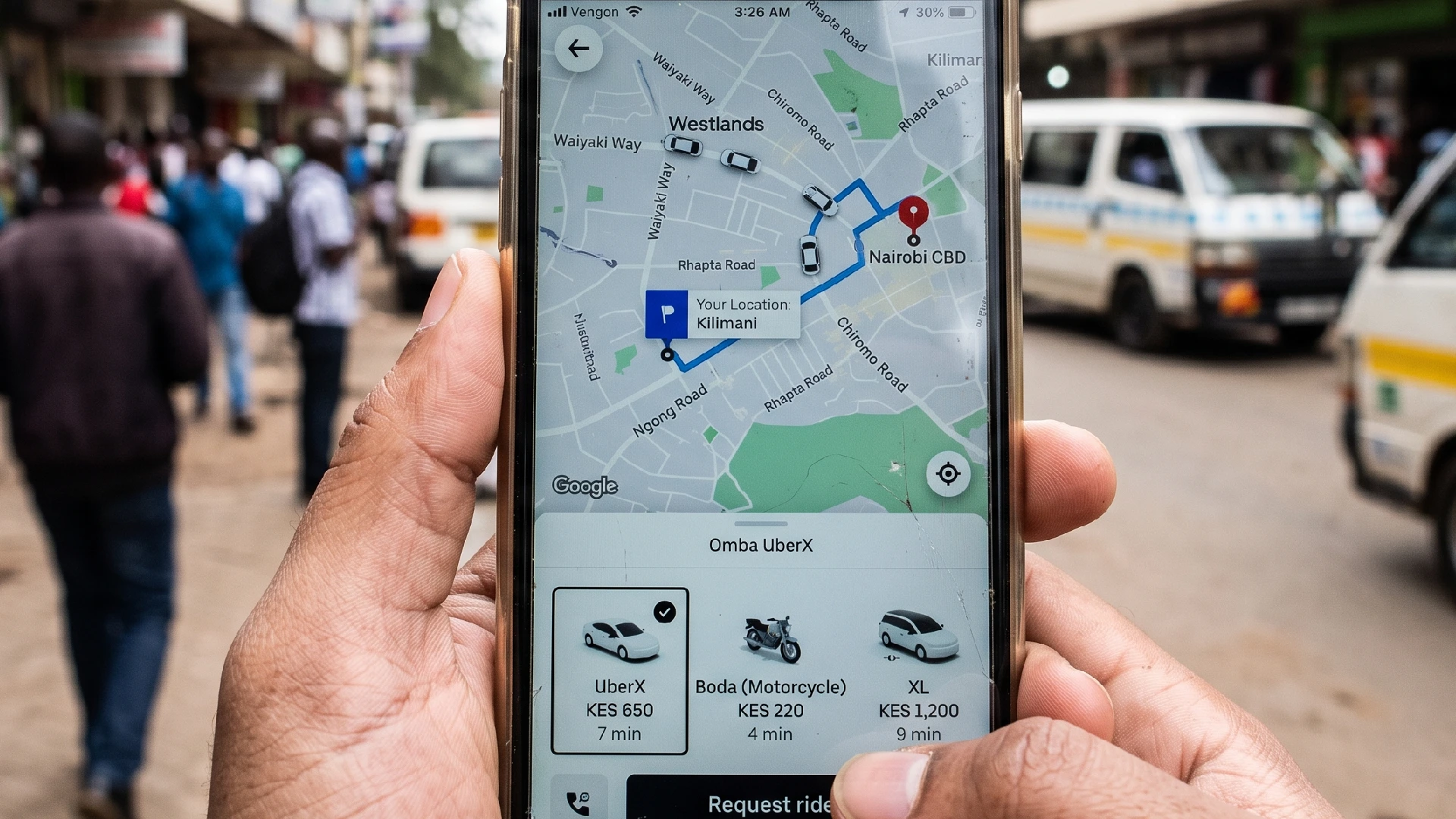
Uber and Bolt warned lawmakers in 2024 that a proposed 6% Significant Economic Presence Tax could make their Kenyan operations unsustainable, as was reported by Daily Nation.
The proposed tax, included in the Finance Bill 2024, targeted gross turnover rather than profits, raising concerns among digital businesses operating on tight margins.
The companies argued that the additional tax burden could threaten their operations. However, the proposal evolved through the legislative process, and both platforms remain operational in Kenya.
Their case demonstrates that regulatory uncertainty can affect business confidence even when it does not result in an immediate shutdown.
The Challenge of Balancing Regulation and Innovation
These cases do not establish that regulation is responsible for every technology business that has closed or withdrawn services in Kenya.
KOKO faced approval hurdles, Swvl and Little Shuttle encountered transport licensing requirements, Worldcoin faced data protection enforcement, Twitch withdrew monetization, and Mobius struggled with taxation and manufacturing costs.
Some interventions address legitimate concerns about consumer protection, privacy, safety, and tax compliance. The challenge is ensuring that businesses have clear rules and predictable processes for meeting their obligations.
For Kenya, the question is not whether technology companies should be regulated, but whether the regulatory environment allows them to comply, invest, and grow without unnecessary uncertainty.
These companies’ experiences demonstrate how government policy can impact business expansion, contraction, or exit from the Kenyan market.