




The Central Bank of Kenya (CBK) has licensed a new batch of Digital Credit Providers (DCPs), bringing the number of regulated digital lenders to 281.
The approvals include 29 new digital lenders and come two months after CBK licensed 25 others in July, with more than 900 applications received since March 2022, when digital lenders were placed under its supervision.
The demand for digital loans is clear from the numbers. By August 2026, licensed lenders had issued 9.6 million loans worth KES 165.1 billion, averaging about KES 17,200 per loan.
Each new batch of licenses therefore brings more of that lending under formal oversight, rather than simply adding 29 names to a list.
Why the Licensing Exists For Digital Lenders
CBK introduced the regime after complaints about how some digital lenders operated, from the cost of borrowing and aggressive debt collection to the way customers’ personal information was handled.
READ: How a Digital Lending Loophole Turned a KES 300K Loan Into a KES 500K Payment
Before granting a license, the regulator now reviews an applicant’s business model, its consumer protection measures, and the suitability and integrity of its shareholders, directors, and managers.
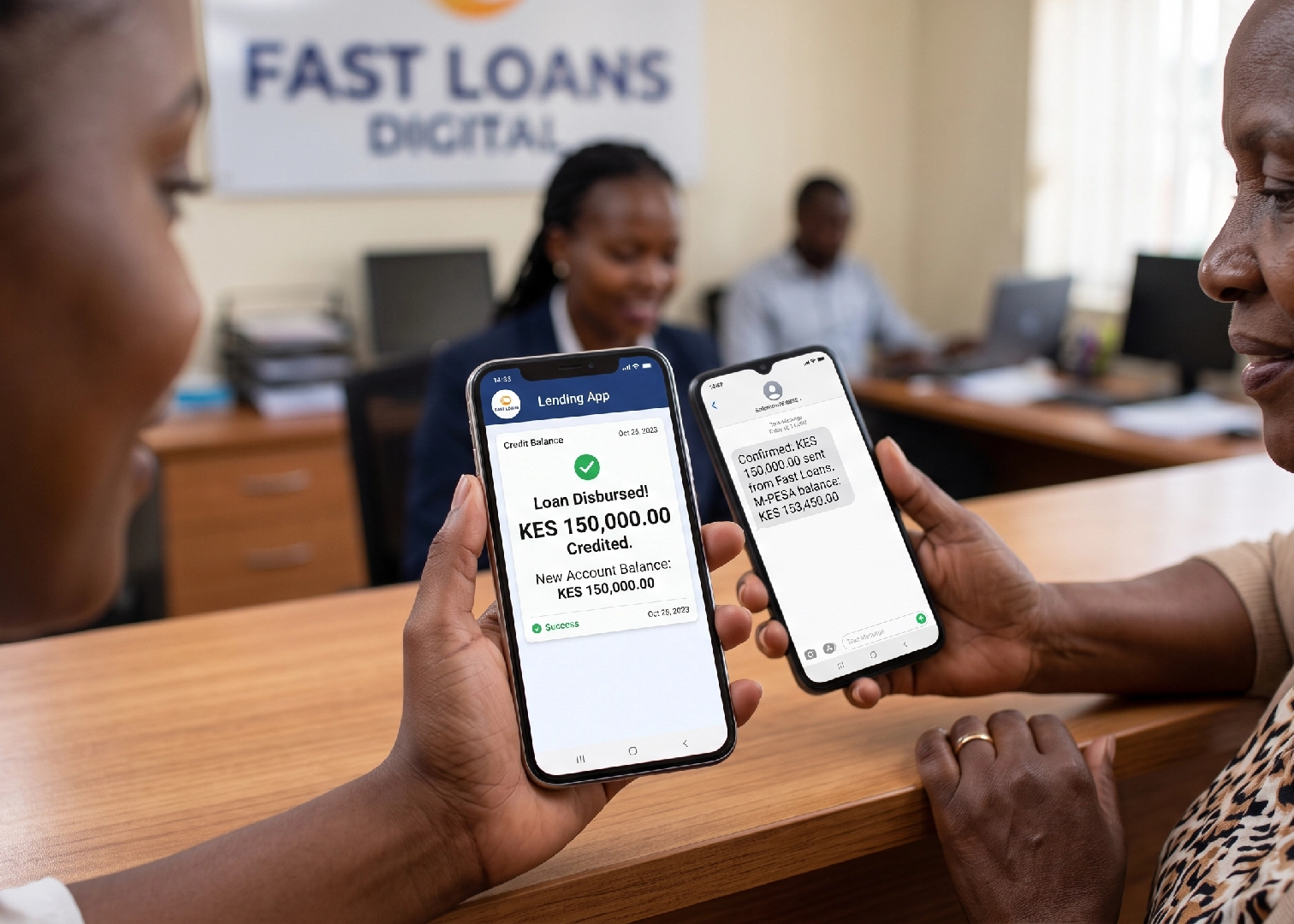
Licensed providers can offer anything from short-term personal loans to education, business, and asset-financing facilities, delivered through mobile apps and USSD without a visit to a bank branch.
For borrowers, the growing list gives a way to tell lenders that have cleared CBK’s checks apart from those operating outside the rules, and the regulator continues to warn the public against the latter. It has also urged applicants with incomplete files to submit their outstanding documents.
What a License Does Not Settle
A license does not mean every product is priced the same or comes with the same eligibility rules and repayment terms, so borrowers still need to look at the total cost of a loan and the conditions attached to it before signing up.
The bigger test falls on CBK itself, which now has to keep a close watch on a market that is growing quickly, having moved beyond the task of simply issuing licenses. The process is also far from finished.
READ: CBK Approved 200+ Digital Lenders, But That’s Not the Real Story
With hundreds of applications still being worked through and some applicants yet to complete their paperwork, the count of 281 is likely to keep rising, and a sector that once operated with little direct supervision is settling further into the formal financial system.