



The dispute over content moderators raises questions about who is accountable when the workers keeping a global platform safe say the work has damaged their mental health.
When Facebook and Instagram users report a violent video or a graphic image, they expect someone to review it and, where necessary, take it down.
In Nairobi, that someone was often a young content moderator hired through the outsourcing firm Sama, and a group of them now say the job left them with lasting psychological harm, with the legal fight that followed testing whether Meta can step back from their welfare because it never formally employed them.
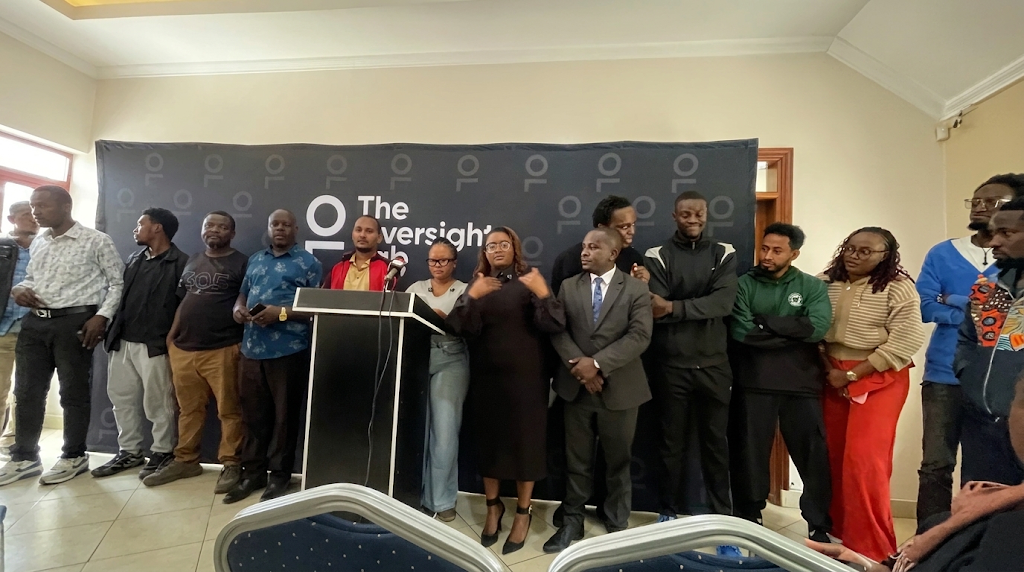
The question has resurfaced after The Oversight Lab, a human rights organization focused on accountability in Africa’s technology sector, in their public statement, ‘How Kenya Is Paying for Meta’s Unlawful Behaviour’.
The group is calling for compensation for affected data workers, investigations into the companies involved, and tighter regulation of the business process outsourcing (BPO) industry, arguing that the current model leaves workers chasing a contractor while the company that benefits from their labour stays out of reach.
The Work Behind the Screen
Meta opened the content review center in 2019 in partnership with Sama, creating jobs for hundreds of people who reviewed posts, images, and videos for graphic violence, sexual exploitation, self-harm, and hate speech.
The work was measured against detailed policies and targets for volume and accuracy, which left little room to step back from what was on the screen.
Former workers describe repeated exposure to scenes of violence and sexual abuse, with some saying the recruitment process did not prepare them for what the role involved.
The Oversight Lab says more than 100 young workers at the center were diagnosed with conditions including post-traumatic stress disorder (PTSD), major depressive disorder, and generalized anxiety disorder, and that they have yet to receive proper treatment.
These claims form part of a wider dispute that is still to be fully tested in court, and the statement itself carries no response from Meta.
The Case Against Meta
The group argues that Meta knew the work’s effects on the workers and did not act accordingly.
Speaking in the statement on the support moderators received, Mercy Mutemi, Executive Director of The Oversight Lab, said:
“Meta, fully knowing that content moderation work involved oversaturation with harmful content, failed to provide them with adequate psychosocial support. This is despite Meta having been sued by content moderators in California for similar exploitation and compensating them for mental health harm.”
Meta’s defense rests partly on the fact that Sama, not Meta, employed the moderators, with Sama handling recruitment, the workplace, and human resources while Meta was the client whose platforms needed the work done.
The workers counter that Meta did far more than commission a service, pointing to evidence placed before the Employment and Labour Relations Court on the digital workspace, operating policies, performance monitoring, and pay arrangements.
The Oversight Lab goes further, saying the tech company issues the work, sets the metrics, and decides pay while the BPO plays a supporting role, though outsourcing itself remains a legitimate way to do business, and a contract alone does not settle who controlled the work or who could have prevented the harm.
Years in the Courts
Two sets of proceedings are under way in Kenya. Former moderator Daniel Motaung alleges poor working conditions, human trafficking, and inadequate mental health support, while a separate group of former moderators sued over alleged unfair dismissal, union-related issues, and blacklisting after the outsourcing arrangements changed.
In September 2024, the Court of Appeal dismissed Meta’s challenge to the jurisdiction of Kenyan courts, allowing the cases to continue locally without deciding the merits or final liability.
Meta and Sama then sought to take the jurisdiction question to the Supreme Court, and in May 2025, the Employment and Labour Relations Court recorded their notice of appeal but declined to pause the main cases.
The court gave Meta and its co-respondents 21 days to respond to Motaung’s petition and set 9 November for directions, with no ruling reported since.
TIME separately reported that Sama is liquidating, with the effect on the cases unclear.
Wider Allegations and the Legislative Fight
The statement goes beyond the moderators’ own cases, claiming that Meta moved moderation work from Sama to Teleperformance in Ghana after workers complained.
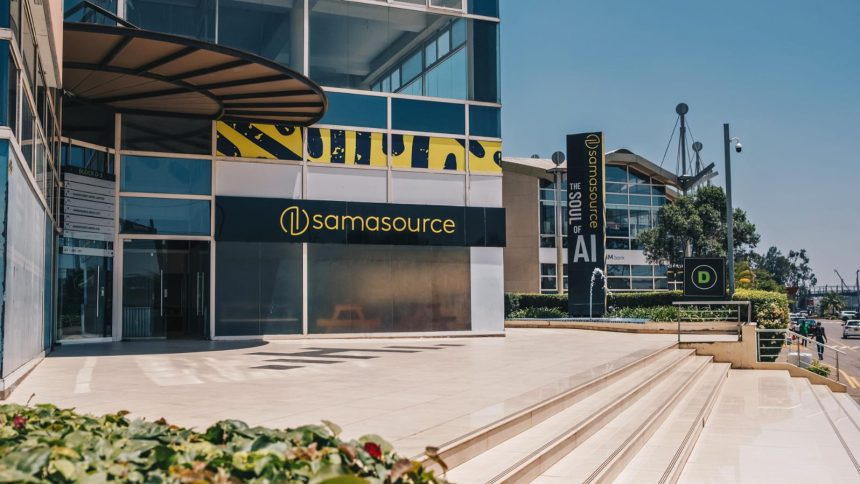
It also says Meta later withdrew data labeling work from Sama, triggering more than 1,000 redundancies and the company’s eventual liquidation, which the group presents as a warning to other BPOs that raising concerns can cost them the contract.
The group also objects to a clause in the Business Laws (Amendment) Bill, Senate Bill No. 51 of 2024, which it says would give tech companies immunity when they violate workers’ rights.
The Oversight Lab wants Parliament to reject the bill, and it is asking the Ministry of Health to provide affordable emergency mental health care for data workers while regulators investigate BPOs and the online platforms where data work is done.
Responsibility Beyond the Contract
For The Oversight Lab, the lesson reaches past one company, and it wants Kenya to judge its digital economy by whether outsourced jobs are safe and fairly paid rather than by how many exist.
Setting out the constitutional basis for that position, Mutemi said:
“We recognize even more that the Preamble to our Constitution commits to nurturing and protecting the well-being of the individual, communities, and the nation. The purpose of the Bill of Rights in our Constitution is to preserve the dignity of individuals and communities. The dignity of workers is not an economic trade-off, nor is the protection of online users.”
The courts will decide the legal responsibilities of each party, and the substantive claims are yet to be heard.
For Meta, the open question is whether its duty to the people who keep its platforms running ends at the contract it signs with a BPO provider, and for Kenya, whether its ambition to become an outsourcing hub comes with real protection for the workers doing the job.