




Meta has ended a major data annotation contract with Sama, the Nairobi-based outsourcing company, triggering the layoff of 1,108 employees at its Kenyan office.
The redundancy notices were issued on April 16, and the cuts are expected to take effect before the end of April.
Sama tried to negotiate with Meta after receiving the termination notice but got nowhere. The company has since formally notified the relevant authorities and employees under Section 40 of Kenya’s Employment Act, 2007, which is the legal framework that governs how large-scale layoffs must be handled in the country.
Most of the affected workers were directly tied to the Meta workstream, meaning their jobs existed specifically to service that contract.
What Did Sama Employees Actually Do?
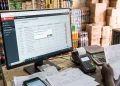
Sama’s Nairobi centre is part of the global AI data supply chain. Workers there label images and videos, review recorded conversations, and tag data so that AI systems can learn to identify objects, understand speech, and respond to user requests.
It is painstaking, human-powered work that makes machine learning possible.
A chunk of that work was tied to Meta’s Ray-Ban smart glasses, a wearable device built with EssilorLuxottica that functions as an AI assistant. The glasses can translate languages, answer questions, and identify objects in the user’s environment.
To get better at all of this, Meta’s AI needs thousands of hours of real-world footage reviewed and labeled by human workers. That was part of what the Nairobi team was doing.
A recent investigation by Swedish newspapers Svenska Dagbladet and Göteborgs-Posten, in collaboration with Kenyan journalists, found that footage captured by users of these glasses, including personal, private moments, was being reviewed by contracted workers in Nairobi.
The findings raised questions about user privacy and how much people wearing or interacting with someone using those glasses actually understand about where their data ends up.
The Bigger Picture
Nairobi has been quietly building a reputation as a hub for what the industry calls “impact sourcing,” which is hiring workers from underserved communities to do digital work for global tech companies.
Sama has been one of the most prominent firms pushing this model, positioning itself as an ethical employer offering living wages, medical cover, and mental health support to people handling often disturbing content.
The Meta contract was one of the most significant anchors of that operation. Losing it in one move and having over 1,100 people face unemployment as a result lays bare just how exposed these workers and this industry are to decisions made in Silicon Valley boardrooms.
Kenya’s AI outsourcing sector has grown fast, but it sits almost entirely at the mercy of a small number of large American tech clients.
When one of them shifts direction, the consequences land hard and quickly on workers thousands of miles away who had no seat at the table when the decision was made.
Sama says it will continue operating and remains focused on data annotation and model evaluation work. It has also said it will provide counseling and transition support to the workers being let go.
What that support looks like in practice, and what happens to more than a thousand people suddenly out of work in one of Africa’s busiest tech cities, remains to be seen.