





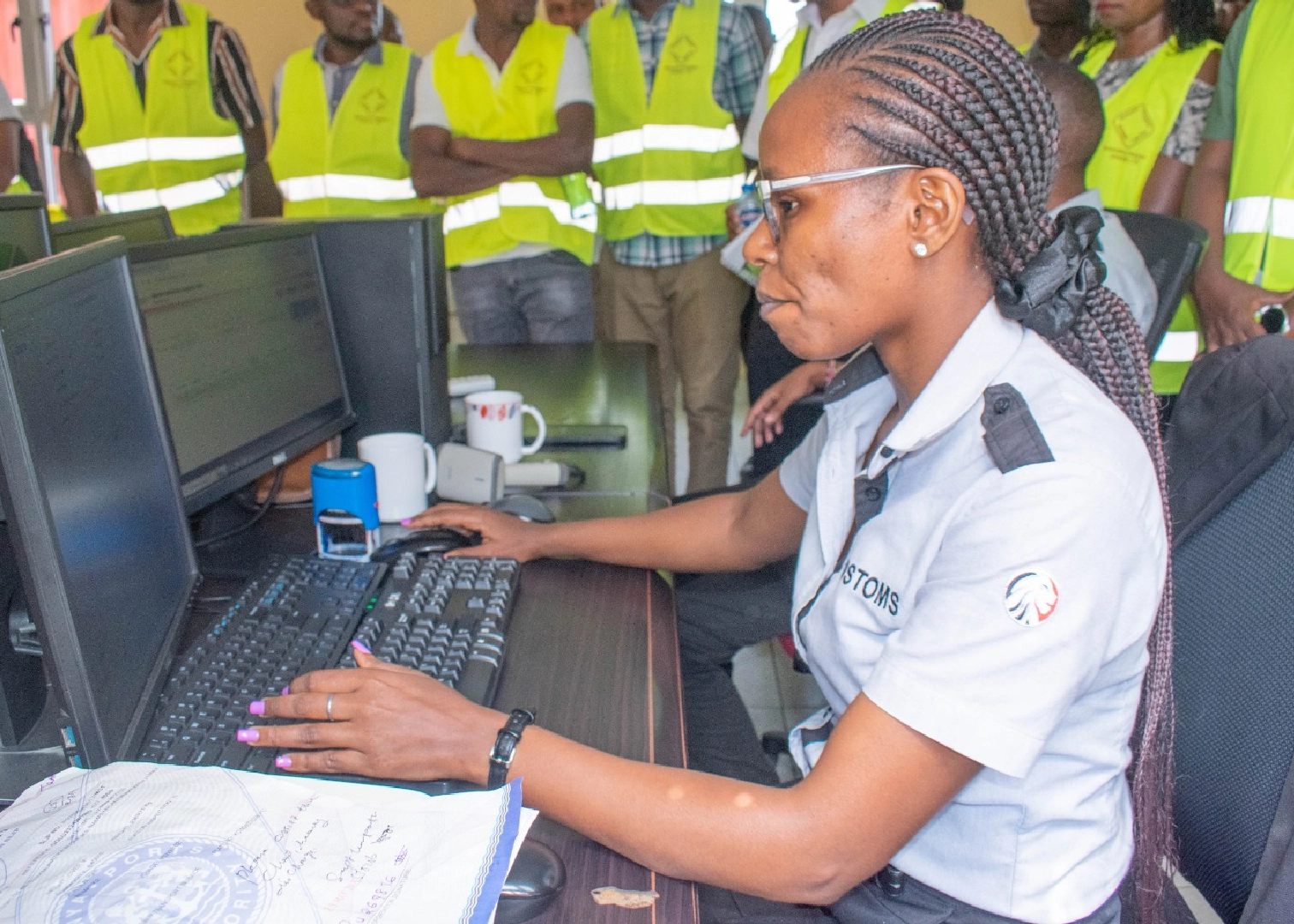
The Kenya Revenue Authority (KRA) is rolling out a blockchain-based trade system aimed at cutting the paperwork and delays that have long slowed cargo through Kenyan ports and border points.
The new platform is called the Trade Logistics Information Pipeline, or TLIP. It will let importers, exporters, shipping lines, clearing agents, and government regulators share cargo information on one shared digital record instead of each party keeping separate files that don’t talk to each other.
Right now, a shipment moving through Kenya passes through many hands: shipping lines, clearing agents, customs officers, port authorities, transporters, warehouses, and regulators like the Kenya Bureau of Standards, Port Health Service, and the Agriculture and Food Authority.
Even though most of these agencies already have their own digital systems, traders often end up submitting the same documents over and over because those systems don’t connect.
READ: KRA Introduces Bodycams for Customs Officers at JKIA to Tackle Bribery
That leads to repeat verification, slow approvals, manual double-checking, and disputes over whether paperwork was tampered with after submission.
Blockchain is meant to fix that by creating one record that updates and stays visible to every authorized party.
Once a transaction is logged, it’s stamped with a time and can’t be altered without leaving a trace, which gives customs officials more confidence that invoices and shipping documents are genuine.
Lilian Nyawanda, KRA’s Commissioner for Customs and Border Control, said the platform brings clearing agents, logistics companies, and government agencies into one digital system so trade information can move securely across borders, cutting down on repeated paperwork and processing time.
As per a report by Business Daily, the first concrete change starts Monday. Exporters shipping containerized cargo to Kenya will need to get an Advance Cargo Declaration reference code before their goods leave the port of origin.
To get that 15-digit code, they’ll need to upload a draft bill of lading, commercial invoice, freight invoice, and export declaration through a new KRA digital platform. This is a mandatory pre-arrival requirement for all containerized sea cargo bound for Kenyan ports.
The idea is to let customs officers start reviewing documents, checking risk, and profiling cargo before the ship even leaves its origin port, up to five days ahead of docking at the Port of Mombasa. That head start is meant to shrink the bottleneck that normally hits once cargo actually arrives.
READ: KRA Built One of Africa’s Most Advanced Customs Systems, but Cracks Are Starting to Show
This will affect a wide range of businesses: manufacturers bringing in raw materials, retailers importing consumer goods, agricultural exporters, freight forwarders, transporters, and warehouse operators.
The blockchain push is part of a bigger customs modernization effort that also includes upgrades to the Integrated Customs Management System, a new eCustoms mobile app, and body-worn cameras for customs officers to improve accountability during inspections.
KRA and the Kenya Ports Authority have also agreed to link up their digital systems to cut duplicate procedures. KRA Commissioner-General Adan Mohamed and KPA Managing Director Captain William Ruto said the closer collaboration should speed up how shipments are processed.
The move comes off the back of a strong year for customs revenue. KRA’s customs department collected KES 988.8 billion in the financial year that ended in June, up 12.4% from the year before and beating its target by 0.8%.
READ: KRA Moves to Multi-Vendor Cybersecurity Model for Customs Infrastructure
That’s the fifth straight year of revenue growth for the department. Non-oil taxes grew faster than oil taxes, up 14.3% to KES 618.4 billion versus 9.5% growth in oil-related taxes to KES 370.4 billion, a sign that imports of manufactured goods and machinery are picking up.
Analysts note that blockchain systems like this have worked well in banking and international shipping elsewhere, but success depends on solid cybersecurity, dependable internet access, and getting different institutions to actually integrate their systems rather than just sit next to each other.
Traders, clearing agents, and freight companies will likely need to invest in staff training and new digital tools to keep up with the shift.