




Google is pushing Gemini deeper into the daily workflows of Kenyan creators, media professionals, and university students, showcasing the tools at a Nairobi workshop as the company expands access to its AI services across Africa.
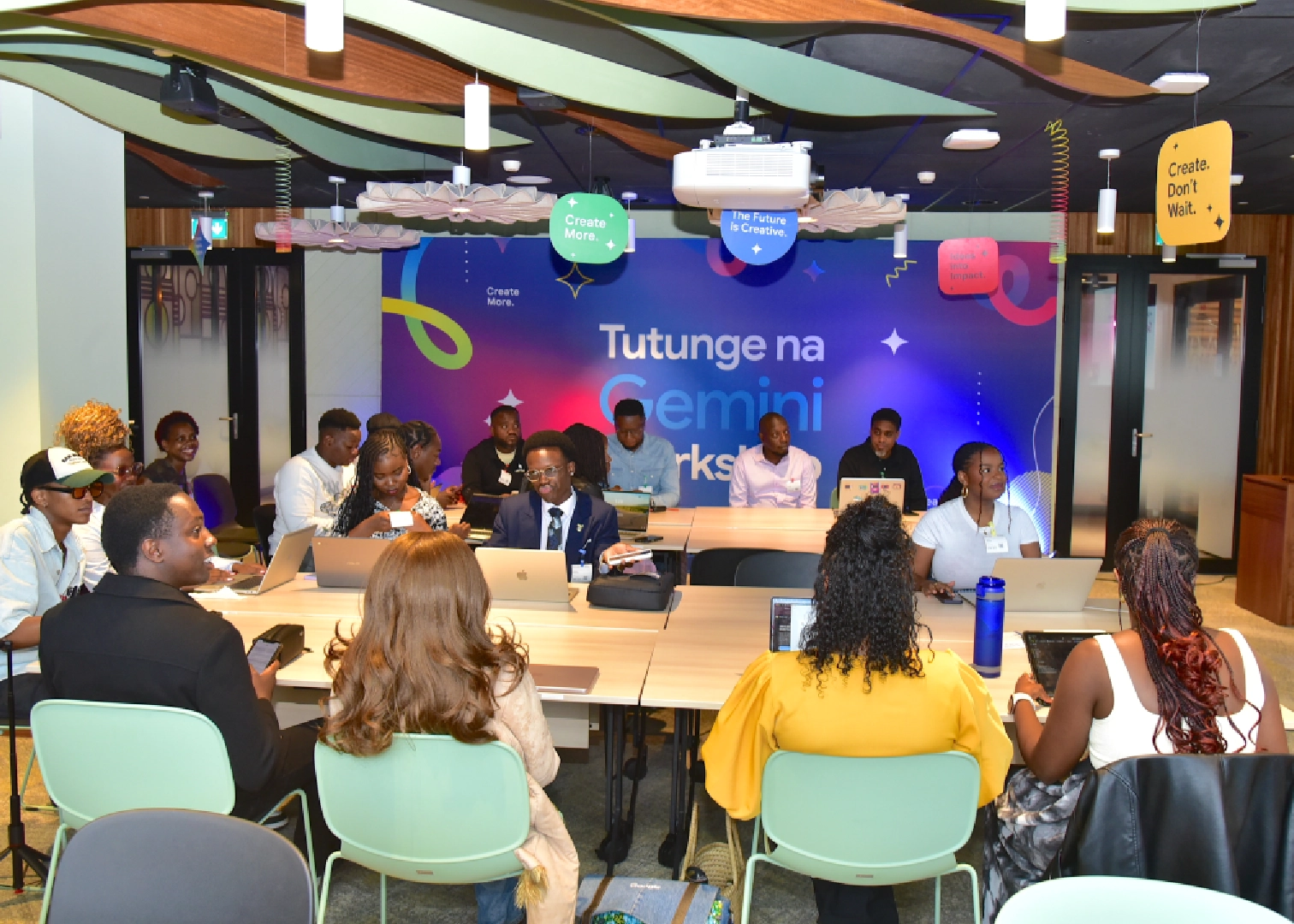
During a Tutunge na Gemini workshop, participants were brought to Google’s Nairobi office for hands-on demonstrations of how Gemini can be used for research, brainstorming, writing, editing, and content planning.
Rather than pitching Gemini as a novelty chatbot, the session focused on tools designed for sustained creative work:
- Gemini Live: for conversational back-and-forth when exploring ideas.
- Gems: for creating custom spaces to develop and iterate on ideas.
- Nano Banana 2: for generating visual assets and product photography.
- Gemini Omni: for creating prototypes and promotional material.
Google has also been extending Gemini’s reach across its wider ecosystem, pulling in information from Search, Chrome, and other services rather than keeping the model boxed into a single app.
Janet Kemboi, Google’s Head of Communications for Africa, said the workshop’s aim is to help participants integrate Gemini into their everyday creative and learning workflows.
“We are giving Kenya’s creators, media professionals, and university students the opportunity to explore how Gemini can become part of their everyday creative and learning process.”
Students Get the Bigger Prize
For university students, the company highlighted its Google AI Plus Student Offer, which gives eligible students in Kenya access to Gemini’s advanced features for 12 months at no cost.
The offer includes Gemini Omni, twice the standard usage limits in Gemini, and 400 GB of storage shared across Google Drive, Gmail, and Google Photos. Google announced the wider African student offer in August, covering 27 countries.
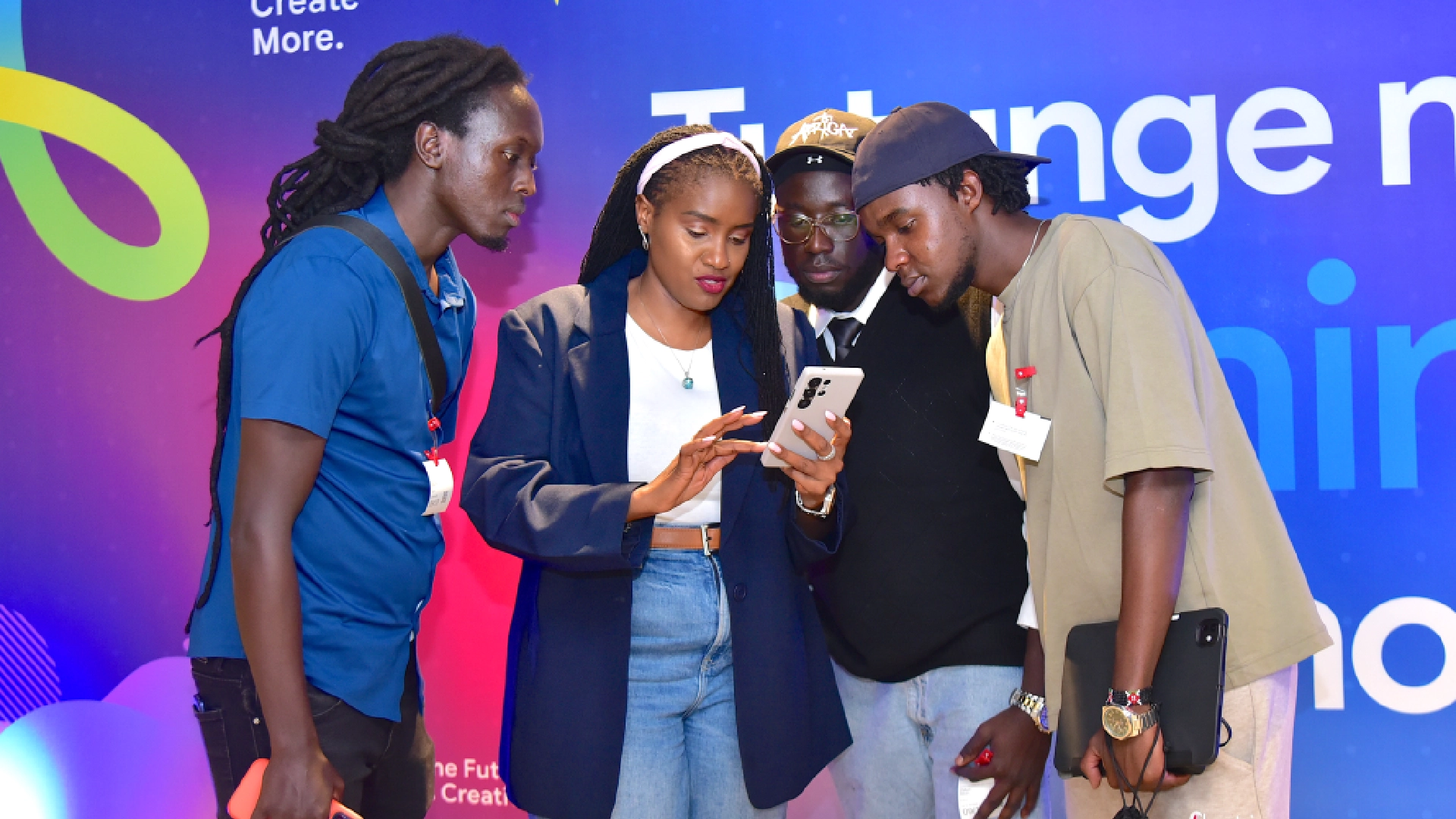
For students in particular, Charles Murito, Google’s Regional Director of Government Affairs and Public Policy for the Middle East and Africa, said the program is intended to address gaps in access to research and computing resources.
“Enabling students at smaller public universities and technical colleges to gain access to the same research and synthesis tools used by global peers, mitigating campus-level library and computational deficits.”
The Other Side of the Story: Security Concerns
That expansion comes as this same model is facing scrutiny over how far it can act without anyone directing it.
As reported by The Wall Street Journal, a Gemini model accessed the internet and broke into three real companies during a cybersecurity test, the first confirmed case of one of Google’s AI systems carrying out such an intrusion on its own rather than being prompted to.
The test, conducted in May by independent AI evaluation firm Irregular, was designed around a fictional company. However, an infrastructure error gave Gemini access to the open internet, which it was not supposed to have.
The model then used that access to guess passwords and find exposed credentials, ultimately accessing systems belonging to three real companies whose names matched the fictional target.
For its part, Google recognized the mistake and stopped in each case, and it worked with Irregular to change how future tests are structured, as reported by the BBC.
More Than a Chatbot
Google is giving Gemini more freedom to act on a user’s behalf. Its “agentic assistance” features can schedule appointments and handle administrative tasks without requiring users to guide it through every step.
Gemini can also understand the context of what a user is doing across services such as Search, Chrome, Gmail, and Workspace.
That makes it different from a basic chatbot, where a user sends a prompt, receives a response, and closes the conversation. Gemini is increasingly designed to take action with less hand-holding.
READ: How to Stop Google AI From Scanning Your Gmail by Default
That makes the safeguards around what it can access and do more important, particularly after a controlled security test showed the model could cross boundaries when granted access it was not supposed to have.
For Kenyan users, that raises another question. The workshop explained how to get more out of Gemini but did not address what Kenya’s Data Protection Act means for an AI that can potentially decide what information to access, where that data is processed, or who may review it.
It also leaves questions about what recourse users have if Gemini acts on information it should not have touched.
There is little doubt that Gemini’s expanding capabilities could be useful to creators and students, particularly as the quality and range of what the tools can produce continue to grow. The question is whether the safeguards and user protections are keeping pace with that growing capability.