




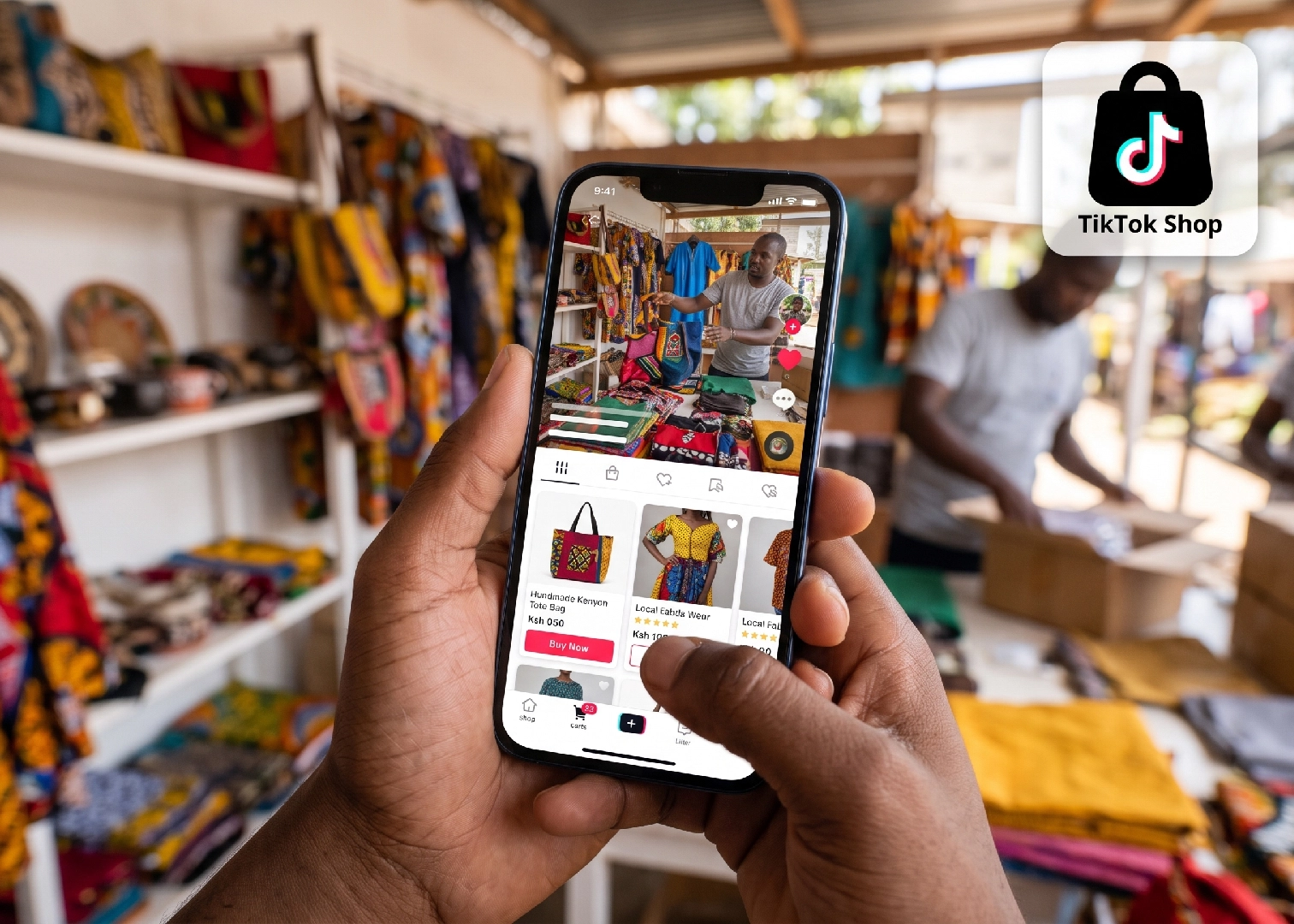
The Kenyan government wants TikTok to bring its in-app shopping service, TikTok Shop, to the country, along with e-commerce destination links that let businesses send customers to external online stores.
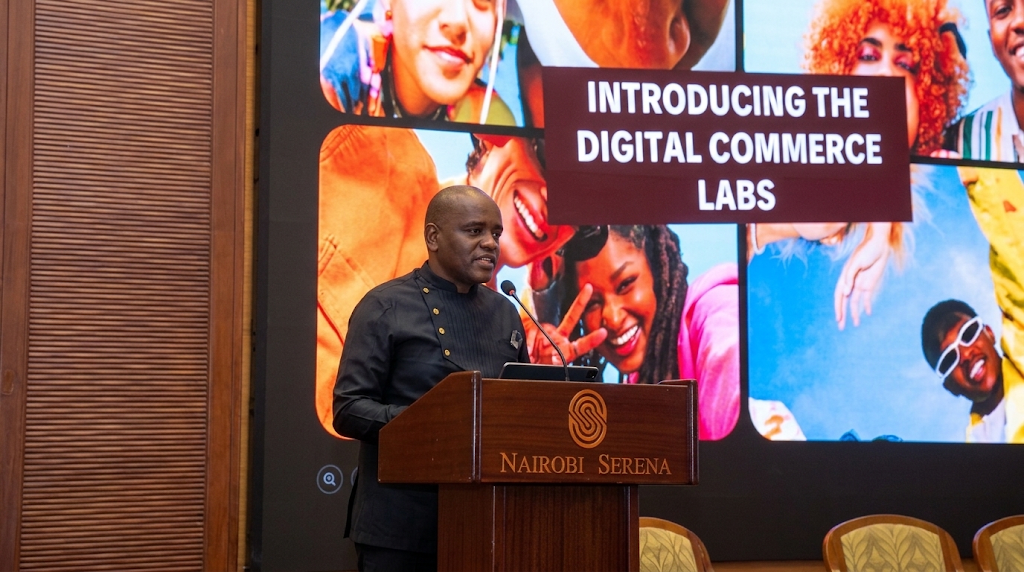
Dennis Itumbi, Head of Creative Economy and Special Projects in the Office of the President, made the request at the Digital Commerce Labs, an initiative hosted by TikTok and the International Chamber of Commerce Kenya (ICC Kenya) to give small businesses and entrepreneurs digital commerce skills
Itumbi called on TikTok to go beyond training local businesses to create content and build audiences, arguing that they also need access to the platform’s commercial infrastructure to turn that visibility into revenue.
“This is my challenge to TikTok. Kenya is willing to become the pilot market (in Africa)… Why then are you training our people if they cannot benefit from those commerce and trade aspects that you already have on your platform?”
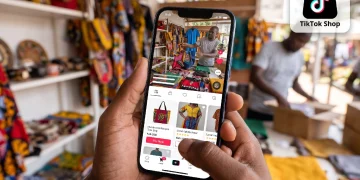
TikTok Shop lets businesses list products and sell directly on the platform, with customers discovering and buying through in-feed videos, livestreams and shopping showcases.
READ: Commerce and Adult Content Dominate as TikTok Takes Down 750,185 Kenyan Content
In its 28 May 2026 announcement, TikTok said the service would launch in Austria, Belgium, the Netherlands and Poland from 15 June, joining existing markets in France, Germany, Ireland, Italy, Spain and the United Kingdom. The announcement was not a full list of where Shop operates, but it names no African market, which is the gap Itumbi raised when he asked why the service is unavailable in any African country.
TikTok’s own reporting from markets where Shop is live shows how much Kenyan sellers are missing out on. In the Philippines, creator James Afante generated $1.4 million in gross merchandise value, the total value of goods sold, during a single 11-hour livestream in 2024, a sign of how much selling already happens on the platform for sellers who have access.
Itumbi’s request also lands on the program itself. TikTok and ICC Kenya want to build digital skills among small and medium-sized enterprises, but the government wants the Labs judged by commercial results, with income as the measure rather than the number of businesses trained or certificates handed out.
Access to e-Commerce Destination Links
Beyond TikTok Shop, Itumbi asked the platform to introduce its e-commerce destination links in Kenya, presenting it as a potentially more immediate opportunity for local businesses.
Unlike TikTok Shop, which supports transactions within TikTok’s shopping ecosystem, destination links allow businesses to attach external website links to their organic videos and direct audiences to their own online stores. Businesses can also use these links in eligible advertising campaigns to drive conversions.
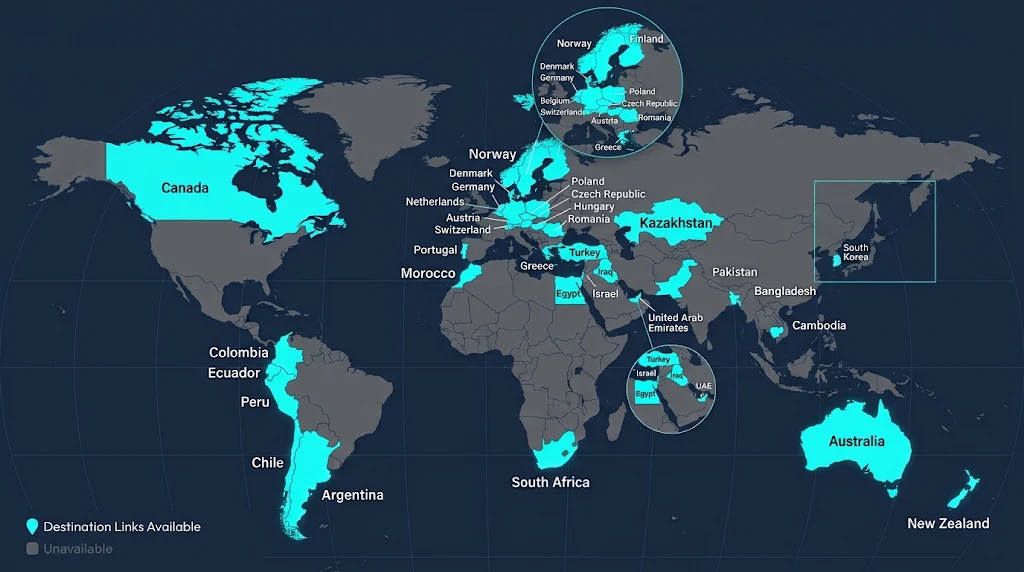
TikTok’s documentation lists Morocco and South Africa among the African markets where e-commerce destination links are available. Kenya is not currently included in that list.
Egypt also has destination links but it is notably categorised in the Middle East.
The feature would give Kenyan entrepreneurs another way to turn viewers into buyers, including customers in neighbouring markets such as Uganda.
Itumbi added that the government is ready to help, signalling its willingness to support the expansion of these services, including financially if necessary.
“If there is a cost associated with making these services available in Kenya, I am committing the Government of the Republic of Kenya; we will invest and have that (launched) here.”
Turning TikTok Audiences Into Revenue
The requests highlight a wider challenge facing Kenya’s creator economy. Building an audience on social media does not automatically translate into a sustainable business, particularly when creators and small enterprises lack access to integrated selling, payment, and customer conversion tools.
Itumbi pointed to the need to build trust in online transactions, noting that customers are often reluctant to buy products through social media after encountering sellers who fail to deliver what they advertise.
For TikTok, it would mean moving from showing people ads and videos to handling the actual sales in a market where creators already have the followers but not always a way to sell to them.