




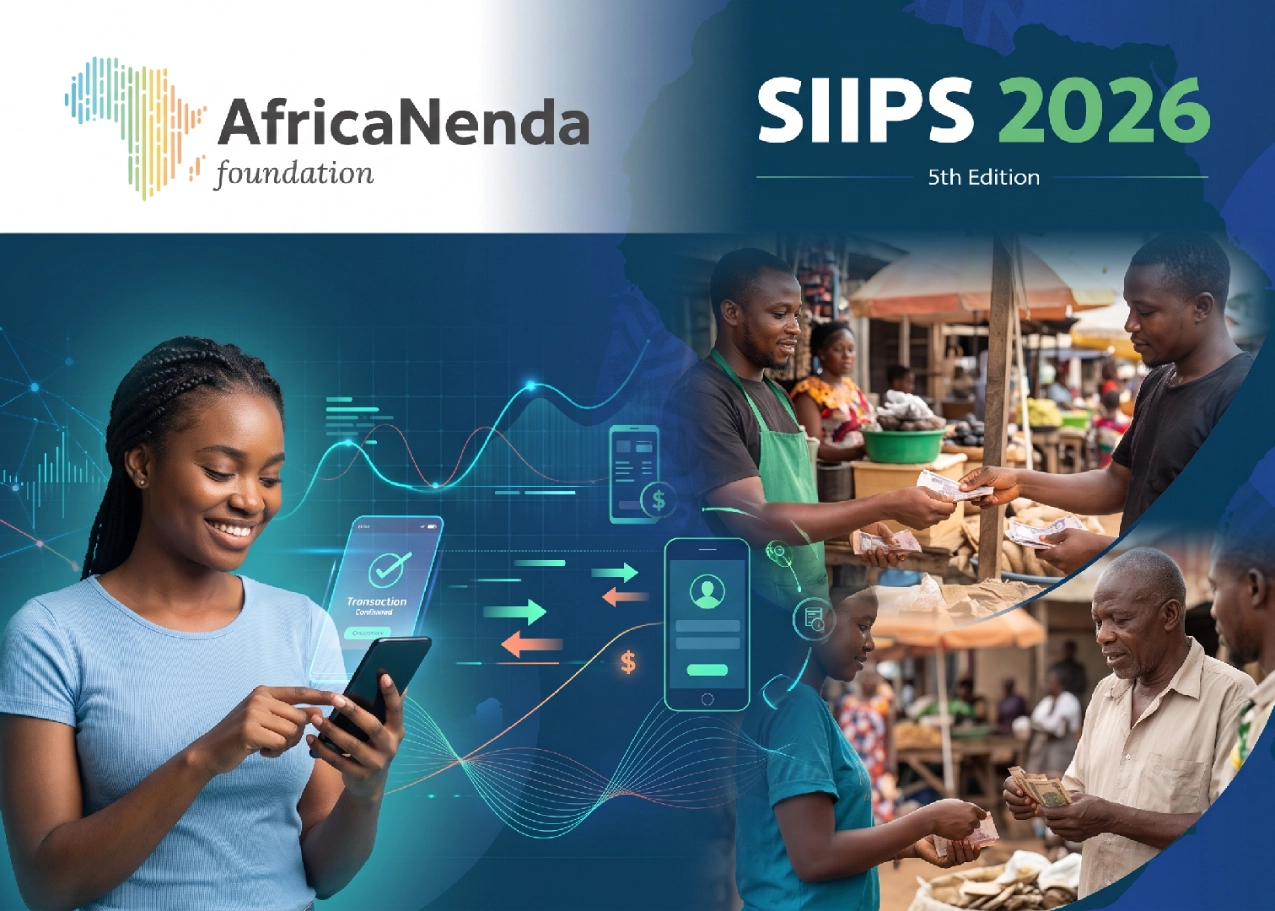
Africa’s instant payment systems processed 71.4 billion transactions worth about $1.8 trillion (KES 232 trillion) in 2025, almost three times the volume recorded in 2021, yet many people with access to them still reach for cash.
That is the picture painted by the fifth State of Inclusive Instant Payment Systems in Africa (SIIPS) report, which the AfricaNenda Foundation has released with the UN Economic Commission for Africa and the World Bank Group.
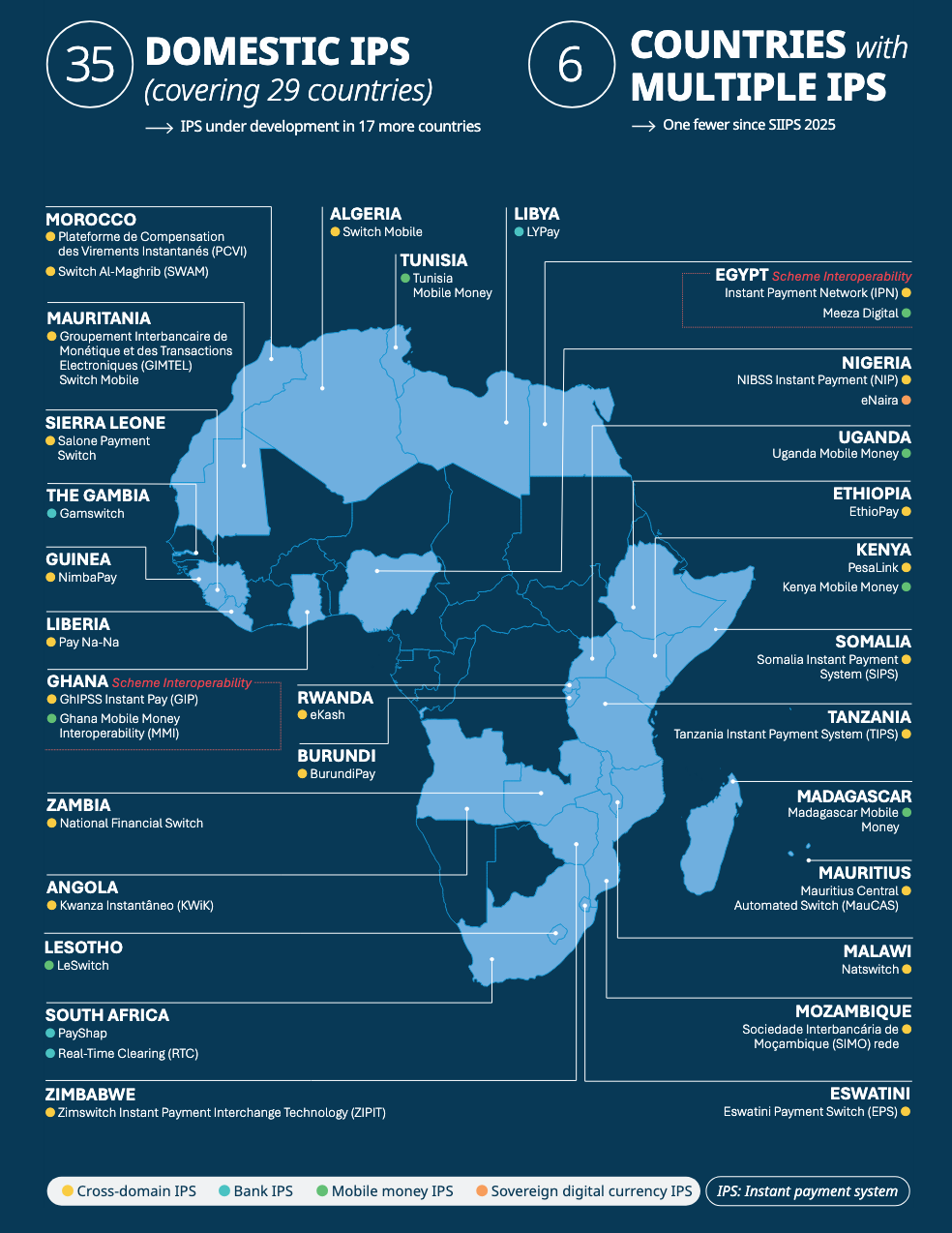
On the infrastructure side, the continent has moved quickly. Africa now has 39 instant payment systems, networks that move money between bank accounts and mobile wallets within seconds. Thirty-five operate nationally, and four serve whole regions, so between them they reach 43 countries, home to 89% of the continent’s adults.
Liberia, Burundi, Guinea, and Mauritania launched national systems over the past year; a new regional system now links the eight members of the West African Economic and Monetary Union, and 17 more countries have projects underway.
The way people use these systems is also shifting. Volumes have grown by an average of 28% a year since 2021, while the average payment has shrunk from $45 to $26, which suggests growth is coming from people paying for small, everyday purchases rather than making the occasional large transfer.
Mobile money carries 73% of all volume, so wallets, agents, USSD, and basic phones remain the main route for most users.
Access has not yet become a habit, though. Among 1,403 digital payment users surveyed across 15 markets, 55% still pay cash for about half of their transactions.
Over half of those users have run into problems such as delays or sending money to the wrong person, and one in three of them never report the issue, mostly because they don’t know how to do so.
Speaking on what holds users back, AfricaNenda Foundation Deputy CEO and lead author of the report Sabine F. Mensah said:
“The question has changed. It is no longer whether Africans can pay instantly, but whether they trust the system enough to stop reaching for cash. Our research shows that trust is won in seconds, through a payment that goes through instantly, with preventive safeguards such as recipient name validation and a payment confirmation message received in real time. It is kept by getting timely resolution and people’s money back when something goes wrong.”
Among users who lost money, 43% cut back on digital payments, while those who were refunded often went on to use them more, so how a provider handles a failed payment can shape loyalty as much as stopping the failure in the first place.
Payment service providers are also adopting AI fraud defenses faster than the operators of the systems they sit on, even as users mostly see AI as a risk, particularly through deepfakes.
READ: New Payment Bill Wants to Force Banks and M-PESA to Open Up Their Data
The report asks operators to build recipient verification, real-time confirmations, and structured recourse into scheme rules and to develop shared fraud tools that smaller providers can afford.
Regulators are urged to set clear consumer protection standards, open fairer participation to licensed non-bank providers, clarify liability for authorized push-payment fraud, and apply proportionate KYC so small merchants can open basic digital accounts.
It also points to consent-based transaction data as a way to extend credit, savings, and insurance to small businesses, noting that active account use is around seven percentage points higher where an instant payment system operates.
On what the next phase should look like, AfricaNenda Foundation CEO Dr. Robert Ochola said:
“Africa has built inclusive instant payment infrastructure at remarkable speed, drawing on the talent of its software engineers and designers. The next five years must be about making these systems affordable to use, safe, and sustainable to run.”
By the report’s measure, the coming years will be judged less by how many systems launch than by whether households, merchants, and governments use them with confidence every day.