








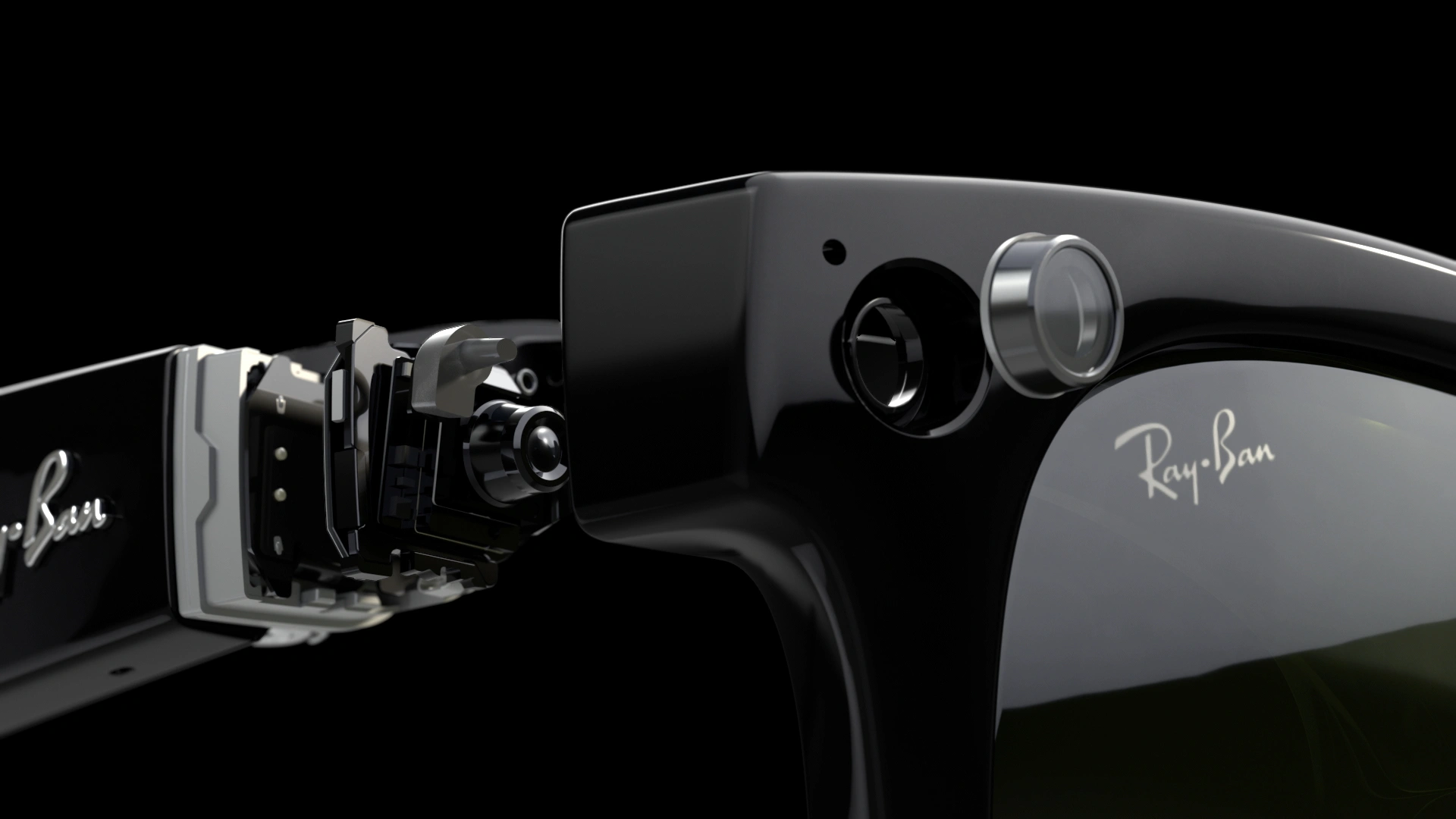
Kenya’s data protection regulator has launched a formal investigation into Meta’s Ray-Ban smart glasses, confirming what digital rights advocates had been pushing for since early March.
The Office of the Data Protection Commissioner said on March 31 that it had opened the probe on its own motion, examining privacy concerns around the glasses and how footage recorded through them is being used to train Meta’s AI systems.
The announcement came after The Oversight Lab, a Nairobi-based digital rights group, filed a petition with the regulator on March 6 asking the regulator to investigate the glasses’ capacity for mass surveillance and their use in recording people without their knowledge or consent.
Over 150 organizations and individuals backed the call, signing a letter urging the ODPC to address human rights concerns and ensure the investigation is done transparently and openly.
Most people who own or come across these glasses have no idea what happens to the footage they capture.
A joint investigation by Swedish publications Svenska Dagbladet and Göteborgs-Posten found that footage recorded by the glasses, including bathroom visits, intimate moments, bank card details, and people watching explicit content, was being reviewed by human contractors in Nairobi.
These workers, employed by outsourcing firm Sama at its Nairobi facility, were tasked with labeling what they saw so that Meta’s systems could better understand real-world environments.
People who appeared in those recordings had no idea their most private moments had ended up in a data center in Kenya.
The problem is not just about what the glasses capture. It is also about what happens to that footage and who sees it and whether anyone along the way ever asked for permission.
The Oversight Lab asked the ODPC to examine whether people recorded by the glasses consented to having their images, voices, and personal conversations used to train Meta’s AI tools and whether such processing complies with Kenya’s Data Protection Act 2019.
These are not technical legal arguments. If someone records you and your footage ends up training a company’s technology, you should know that is happening.
There is also a local dimension that made this case difficult to ignore. In February, a Russian man identified only as Yaytseslav became widely discussed on social media after it emerged he had been secretly recording private encounters with multiple women across Africa, including Kenya, using Ray-Ban Meta glasses.
The Oversight Lab raised this case in its petition as a concrete example of how the glasses enable non-consensual recording in private spaces, beyond the AI training concerns.
For Meta, this is not a new issue in Kenya. The company is already facing two separate court cases filed by former content moderators who worked for its subcontractor Sama.
A group of 187 former moderators is seeking $1.6 billion in compensation, claiming unfair dismissal, poor working conditions, and lack of adequate mental health support.
Those moderators described being exposed to gruesome content, including child abuse and lynching incidents, for low pay.
Meta had initially argued that it could not be sued in Kenyan courts at all, but the Court of Appeal ruled otherwise in September 2024, clearing the path for a trial.
The pattern the Oversight Lab’s Executive Director Mercy Mutemi identified is hard to miss. Kenya keeps showing up as the place where the difficult, hidden work of global technology gets done and where the workers doing it carry costs that rarely appear in any company’s annual report.
Mutemi compared the situation to the Worldcoin scandal, when thousands of Kenyans had their iris data collected under the cover of a cryptocurrency project. He said this shows Kenya is once again being used to test exploitative technology.
Kenya now joins the United Kingdom and the United States in formally examining Meta over these concerns. The Office of the Data Protection Commissioner has said it will share its findings after the investigation ends.
What those findings say, and what the regulator decides to do about them, will matter well beyond Kenya’s borders.