






Maurice Otieno is stepping down as Executive Director of Baraza Media Lab after six years at the helm of the Kenyan media innovation organization. He will be succeeded by Eric Kinaga, a governance and public finance specialist.
Otieno joined Baraza’s founding team in 2019 and took over as Executive Director in April 2020, just as the Covid-19 pandemic was starting to disrupt media houses around the world.
He announced his departure on LinkedIn this week, describing it as “stepping aside” rather than leaving the media sector altogether.
During his tenure, Baraza Media Lab grew from a three-person startup into one of Africa’s larger philanthropy-backed journalism support platforms.
Otieno says the organization raised about $20 million in philanthropic funding under his leadership and grew its reach from around 1,500 people to 12,000. His LinkedIn profile puts the funding figure at over $15 million from more than 300 donors over five years.
Whichever number is accurate, both point to the same story: staff grew from three to about 40, and Baraza now runs on an annual budget of roughly $4 million, reaching about 7,000 people every month through its journalism, innovation and civic engagement programs.
Some of the initiatives launched under Otieno include the Data Storytelling Fellowship, She Leads Media, the FumbuaKE collective, and a Media Innovation Incubator built to support independent journalism and digital media innovation across the continent.
He also founded the Africa Media Festival, which this year drew more than 200 organizations from 31 countries, cementing Baraza’s role as a continental meeting point for media leaders, startups, and development partners.
On the institutional side, Otieno says Baraza Media Lab set up its first fiduciary board, rolled out more than 40 organizational policies, and introduced monitoring and evaluation systems to guide its programs, while cutting staff turnover by 20%.
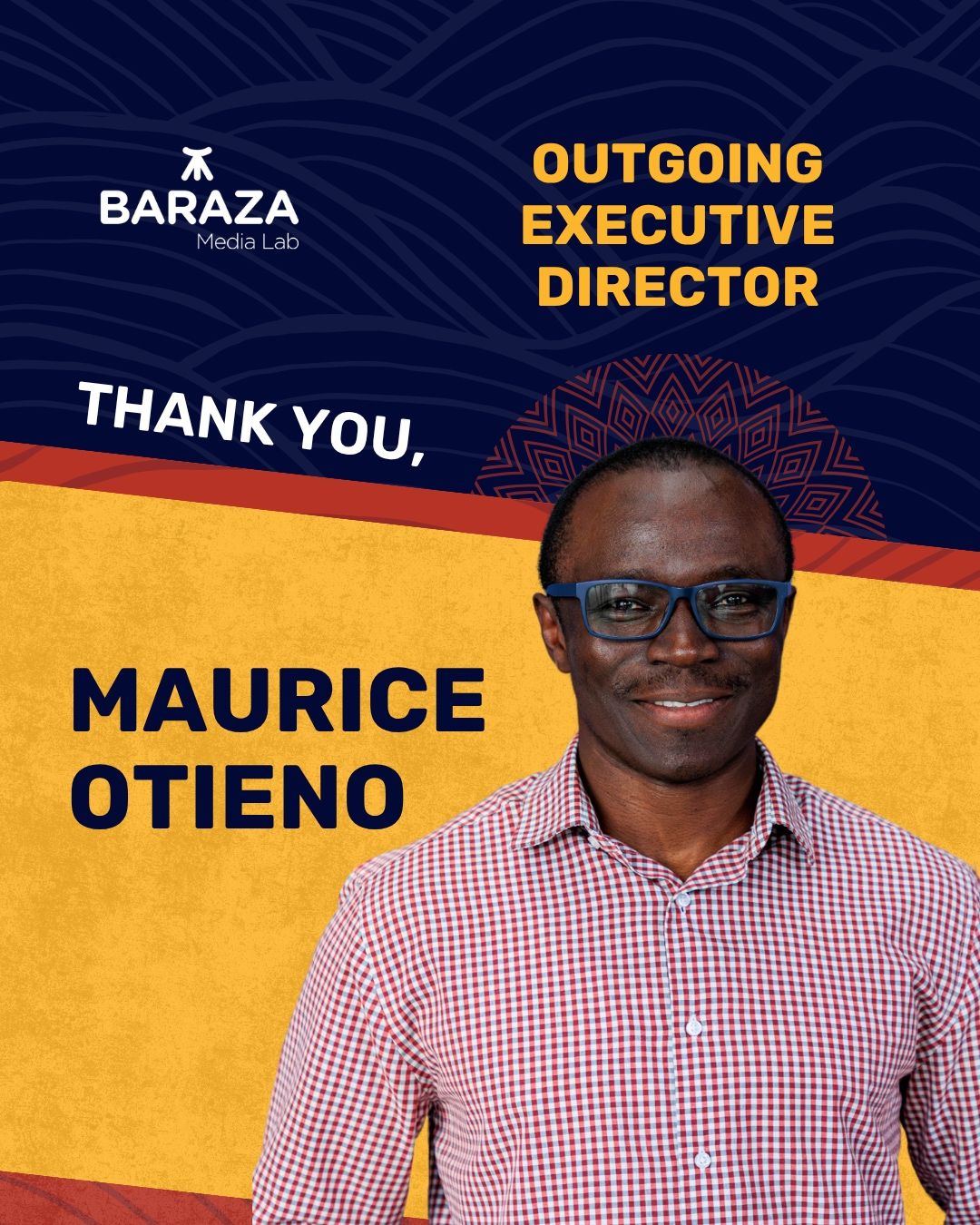
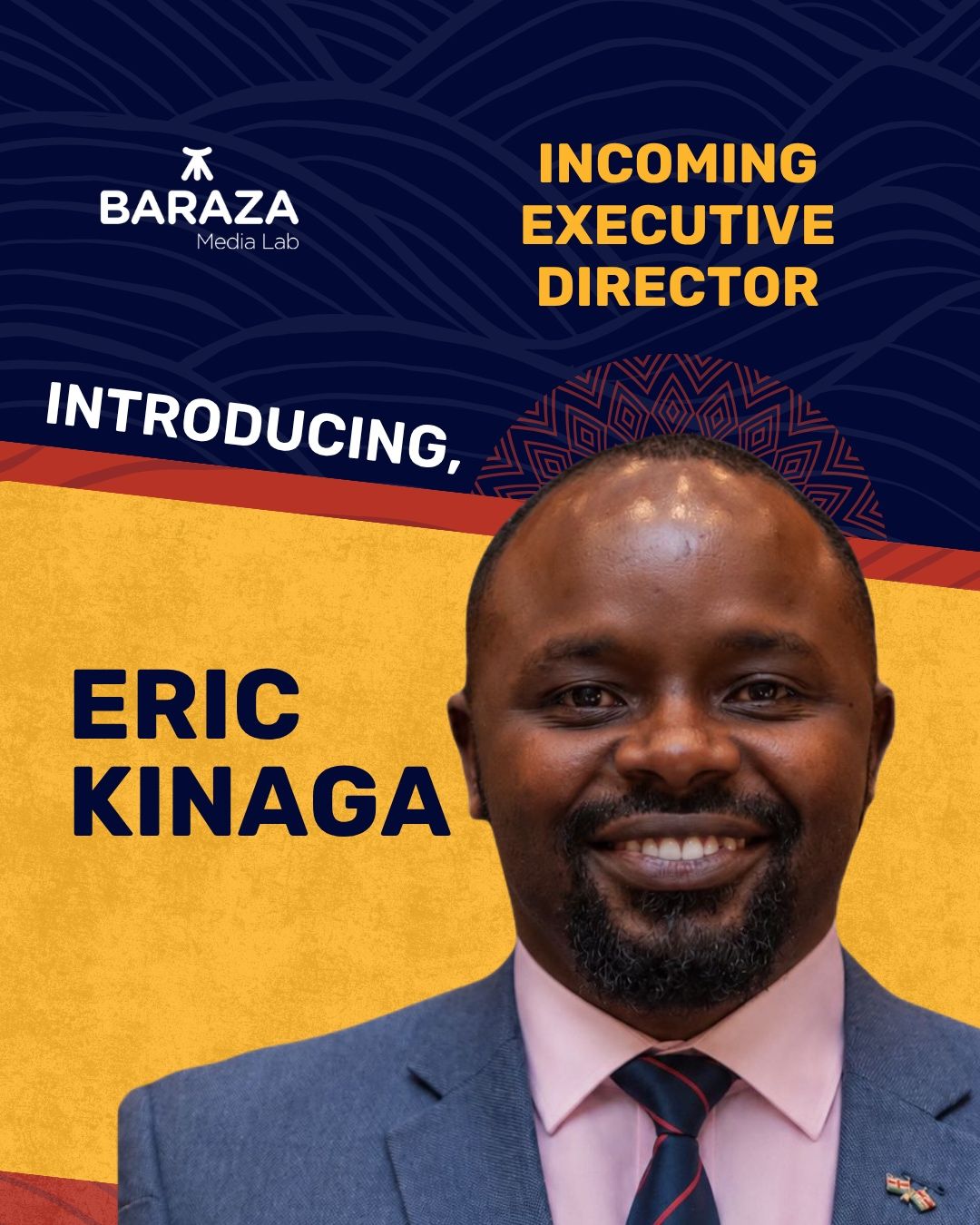
Kinaga, who takes over as Executive Director, has spent close to a decade working on public finance, governance, and accountability. He has held roles at USAID Kenya and East Africa, the Institute for Social Accountability, and Transparency International Kenya.
Before moving into budget governance and fiscal accountability work, he coordinated the Shule Yangu Alliance, a campaign that secured land rights for more than 30,000 public schools.
Techweez spoke to Maurice Otieno shortly after news of his exit broke, and he was candid about what he hopes the next chapter after Baraza Media Lab looks like, how AI has already reshaped journalism, and what comes next for him.
Asked what unfinished challenge he hopes the new leadership will tackle, Otieno pointed to AI, but with a specific angle: turning AI into something that actually earns media houses money, not just a shiny new tool.
“I think just having the lab as a place where we test out those new technologies of artificial intelligence, but not in isolation, in a way that will also allow the media houses to make money is what I hope that the new leadership will be focusing on,” he said.
He pointed to podcasting and content creator-driven news as examples of experiments that Baraza Media Lab tried early and that later took off across the industry.
On how AI has changed journalism, Otieno said it has made it easy for almost anyone to churn out writing, which he sees as a good thing in disguise. It exposes lazy, surface-level work while rewarding writers who dig deeper and connect with readers in ways AI cannot replicate.
“It will make the people who are hardworking, who contextualize things, who do better research as writers in journalism way better, while people who are lazy and just cruising through, it’s going to make it so hard for them,” he said.
He also pointed to production work as an area where AI has quietly changed things. Editing a 40-minute podcast used to take close to double that time. Now, he says, that same job can be done in about five minutes, cutting out filler words and polishing the audio or video.
As for what’s next, Otieno was clear that he isn’t leaving the media and creative industry. He plans to stay involved, especially on the funding side, helping direct capital toward young people building in the creative and innovation space.
“I’m not running away from the sector. I’m not running away from the organization that I helped build. I’m just supporting it differently,” he said.