





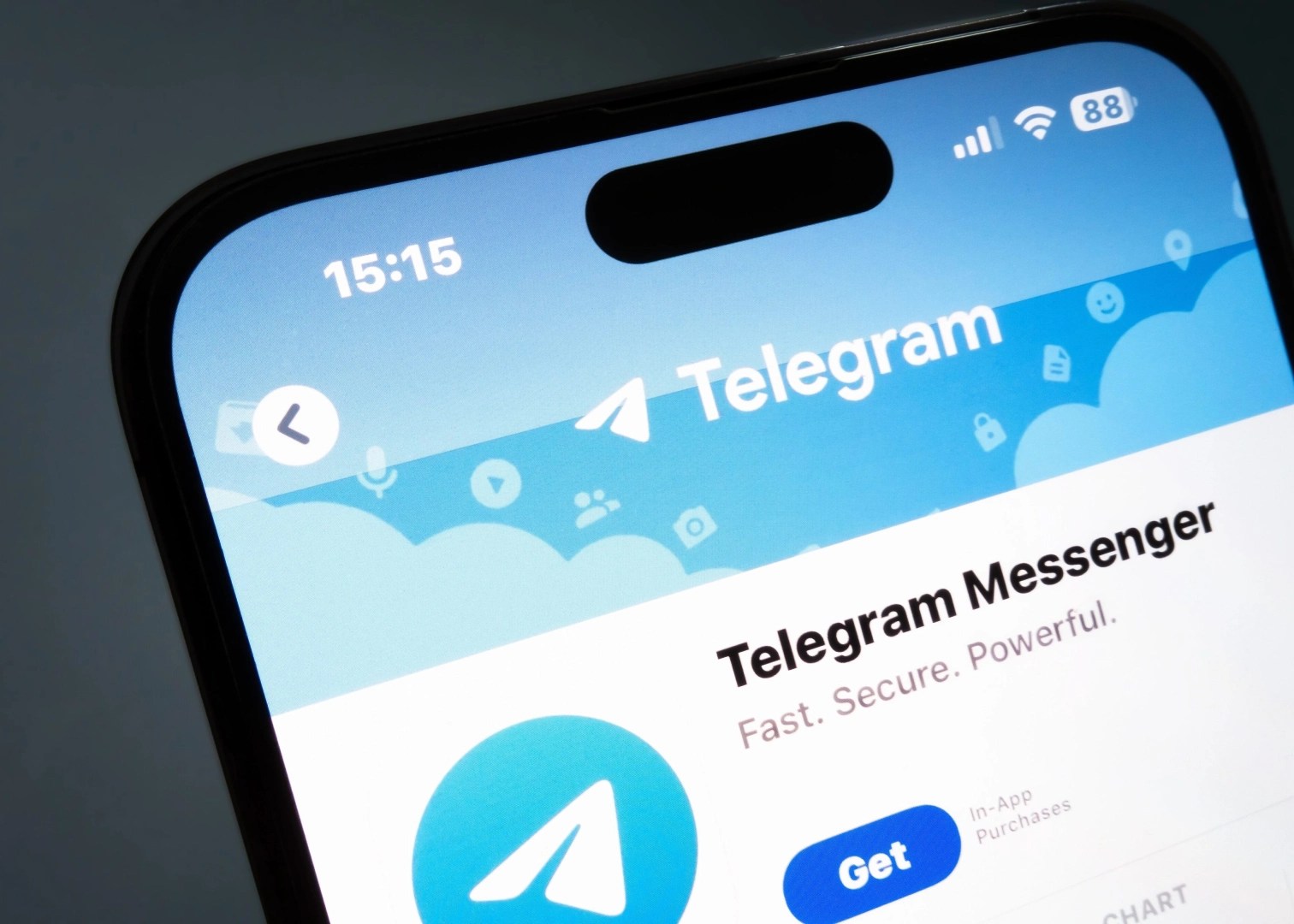
The recent Telegram/Apple episode has exposed something bigger than one company’s bad week. Apple removed a billion-user app from the App Store based on a single flagged post, then restored it once Telegram scrambled to comply.
In a post on X, Telegram CEO Pavel Durov zeroed in on the sequence of events rather than the content itself, citing how Apple acted first and asked questions later.
For Telegram, with its scale, its legal team, and its direct line to the tech press, that sequence cost a few hours at most. For almost anyone else, it would cost a business.
That imbalance cuts across how content moderation works across the internet today, whether it involves an app being pulled from a store or an individual’s social media account getting suspended. The logic is nearly identical in both cases.
Platforms build automated systems and human reviewers to catch violations fast, because regulators, advertisers, and the public all expect quick action.
That pressure to move fast means platforms would rather remove something first and sort out the details later. While appeals exist, they move much slower and only come into play after the damage has already occurred.
For a developer, that means an app can vanish from a store with no notice, no chance to explain, and no guarantee of a response before real revenue and users are lost. Durov alerted developers in his response post on X.
“If an app used by more than a billion people can be removed from the App Store without prior warning, any app can be.”
This wasn’t only about Telegram but also about every smaller studio or startup with no press contacts and no legal muscle, who could lose their entire business in the time it takes Apple to review a single report, with no way to get anyone on the phone before the damage is done.
The same pattern can be seen on the user side. Social media platforms including X, Meta’s apps, and YouTube have all faced repeated criticism for suspending accounts without warning.
In many cases, the content was later found to have been wrongly classified, satirical, or simply misunderstood by an automated system.
Users report the same experience again and again where an account disappears, an appeal form gets submitted, and then silence for days or weeks while the account, its followers, its message history, and sometimes its livelihood sit frozen.
For a creator or small business running a page, a suspension during a launch window or a news cycle can be just as damaging as Telegram’s brief App Store outage, except there is no media coverage prompting a quick resolution.
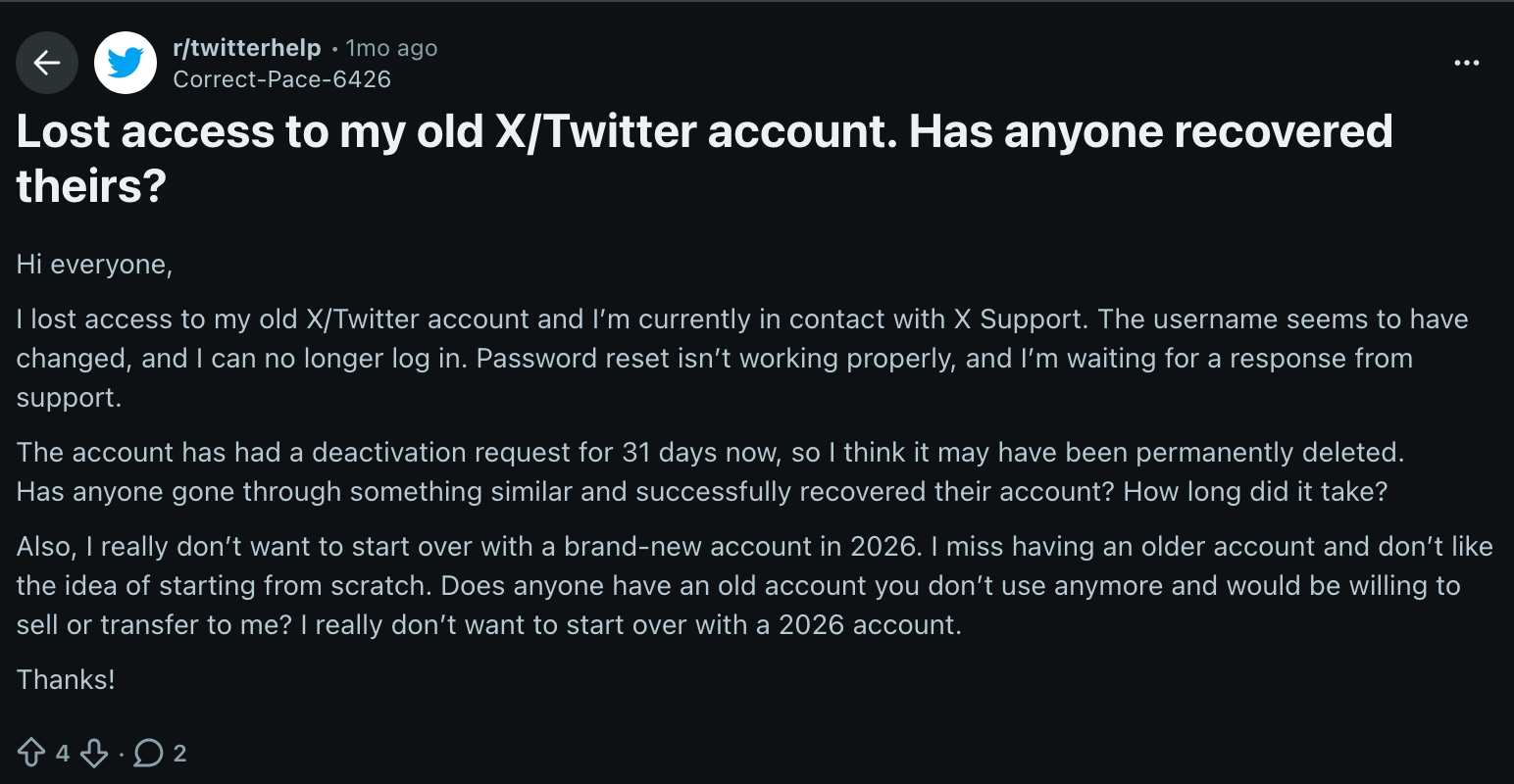
The justification offered by platforms is almost always the same one Apple gave for Telegram: safety first, and legitimate content will be restored once reviewed. That logic holds up reasonably well against slow, careful review.
It holds up much worse when reviews are triggered by bad actors gaming the system, which is exactly what Pavel Durov alleges happened here.
On social media, an account can be suspended over a joke read out of context, a screenshot mistaken for the original violation, or a post swept up by a keyword match that never considered tone or intent.
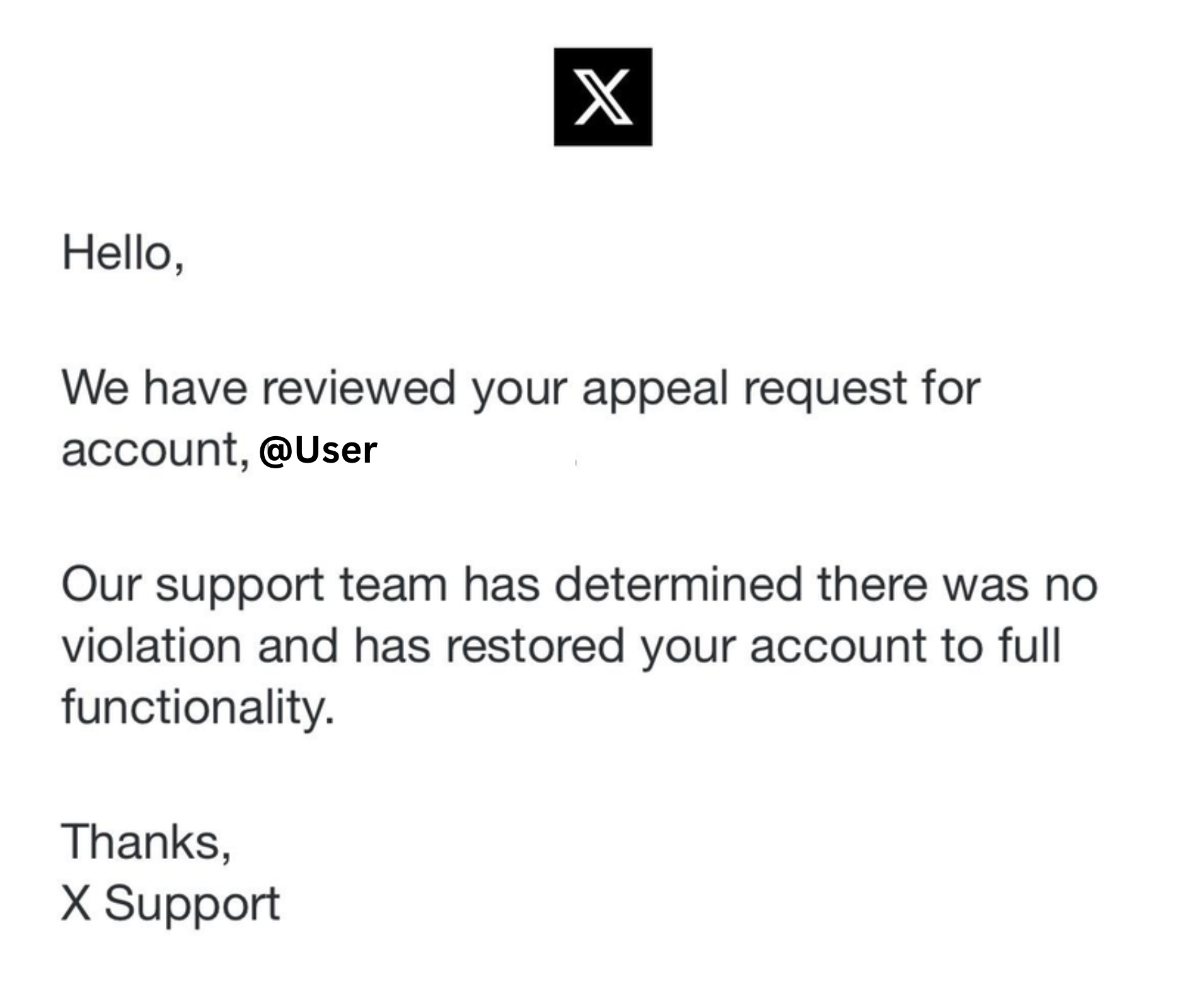
What is missing from most of these situations is usually the middle step. Before an app is pulled or a profile is suspended, platforms rarely make direct contact with the party involved, giving them a real chance to respond before the takedown, not after.
Automated flagging coupled by instant removal plus a slow appeals queue is a workable system for catching genuine harm. It is a broken one for anyone caught in a false positive, and it is an open invitation for anyone who has learned to manipulate it.
The Telegram incident got attention because of its size and its subject matter. The mechanism behind it, instant removal followed by a scramble to fix things, plays out daily on a smaller scale for developers and everyday users who have no way to make the story move that fast.