




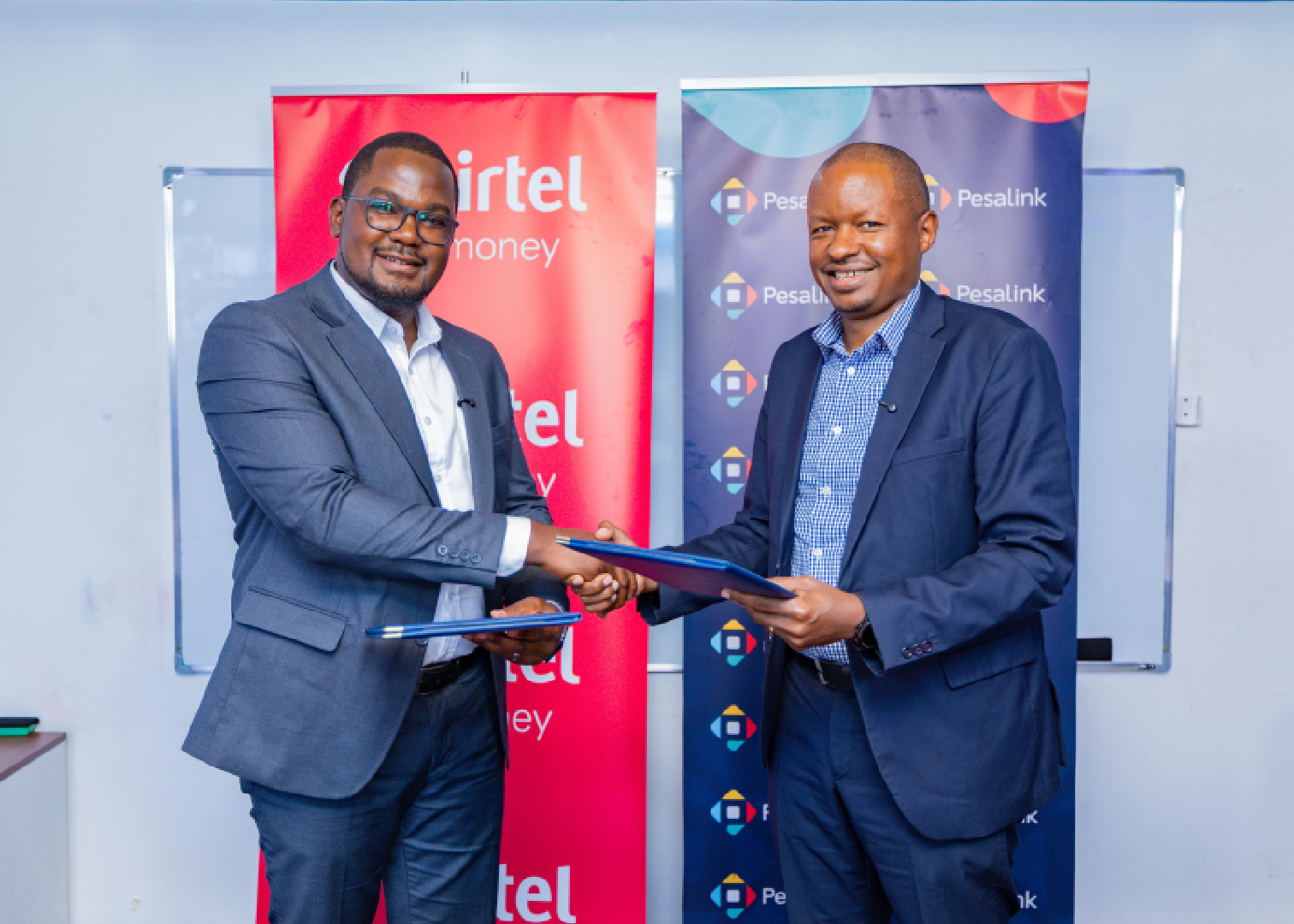
Airtel Money customers can now move money from their mobile wallets directly into bank, SACCO, and microfinance bank accounts after the company connected its service to Pesalink, the interbank payment network run by Integrated Payment Systems Limited (IPSL).
For years, money sitting in an Airtel Money wallet has been somewhat stuck, being easy to send to another Airtel number but awkward to move to the bank account where a loan, a school fee, or a SACCO contribution is actually due.
Airtel Money has now linked its wallet to Pesalink, the interbank payment network run by IPSL, so customers can send money directly to 30 banks, SACCOs, and microfinance banks.
The system also lets users check the recipient’s bank name and account details before sending, which should cut down on money landing in the wrong account.
The arrangement is also meant to save Airtel a lot of paperwork. Pesalink works as a shared connection, so Airtel does not need to negotiate and maintain a separate deal with each bank or SACCO, a process that would take years across dozens of institutions.
The company says it will later extend the service to cash deposits and withdrawals through its agents and to payments to merchants.
Serving Customers Across Multiple Accounts
For the average user, the practical gain is flexibility. Many Kenyans keep money in more than one place, with a mobile wallet for daily spending and a bank or SACCO account for savings, loans, and bills.
The 2024 PesaLink Usage & Attitude Survey found that 57% of PesaLink users hold accounts with more than one bank, the kind of customer Airtel Money is now trying to serve. It also found that about 50% rely on mobile money and about 42% prefer banking apps for regular payments, meaning that over 90% chose one of these two mobile-based channels.
READ: PesaLink Reports 35% Growth as Bank Apps Rival Mobile Money in Kenya
The new link lets a customer make a payment from Airtel Money without leaving the app.
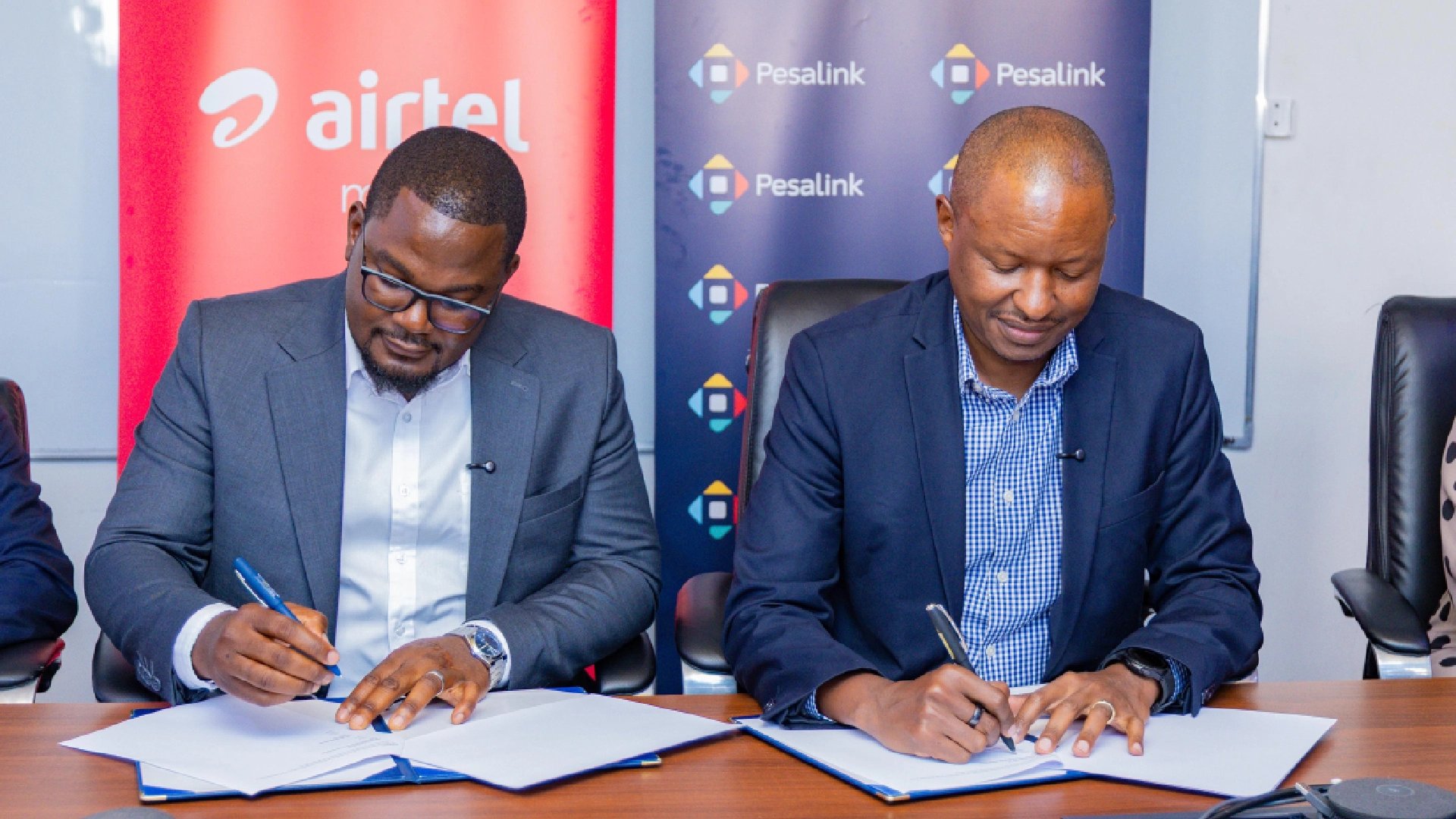
Explaining why the company linked its wallet to the interbank network, Airtel Money Kenya Acting Managing Director Michael Bonke said:
“This partnership with IPSL enables us to extend our reach into the broader financial ecosystem through Pesalink. By facilitating wallet-to-bank transfers across multiple financial institutions, we are making it easier for customers to move money seamlessly between mobile wallets and bank accounts.”
IPSL Chief Executive Gituku Kirika said Pesalink was built so that customers can move money easily and affordably, regardless of which institution holds it, and he described the Airtel Money tie-up as a step towards linking banks with mobile money:
“Our partnership with Airtel Money is an important milestone in connecting banking rails with mobile money ecosystems.”
Not Quite M-Pesa Yet
The step is best read as an upgrade in reach rather than a leap past Safaricom’s M-Pesa, which already lets customers move money between wallets and banks through PayBill and bank apps and which has a larger customer base, agent network, and merchant footprint behind it.
Airtel’s described process of picking Pay Bill, selecting a bank, and typing in an account number is also fairly manual, so features such as saved recipients, clear fee previews, and quick tracking of failed transfers could decide whether people use it regularly.
The connection gives Airtel a wider route into the formal financial system, while the work of turning that reach into a habit is still to come.