





“Now is the winter of our discontent made glorious summer by this sun of York.”
William Shakespeare’s opening line in Richard III captures a moment when conflict appears to have given way to peace. Yet the calm is deceptive. Beneath the surface, tensions remain.
Cybersecurity has a similar problem, and the past 48 hours have made it plain. The digital summer of cloud services, one-tap government portals and seamless supply chains has made everything faster while quietly giving attackers more doors to try.
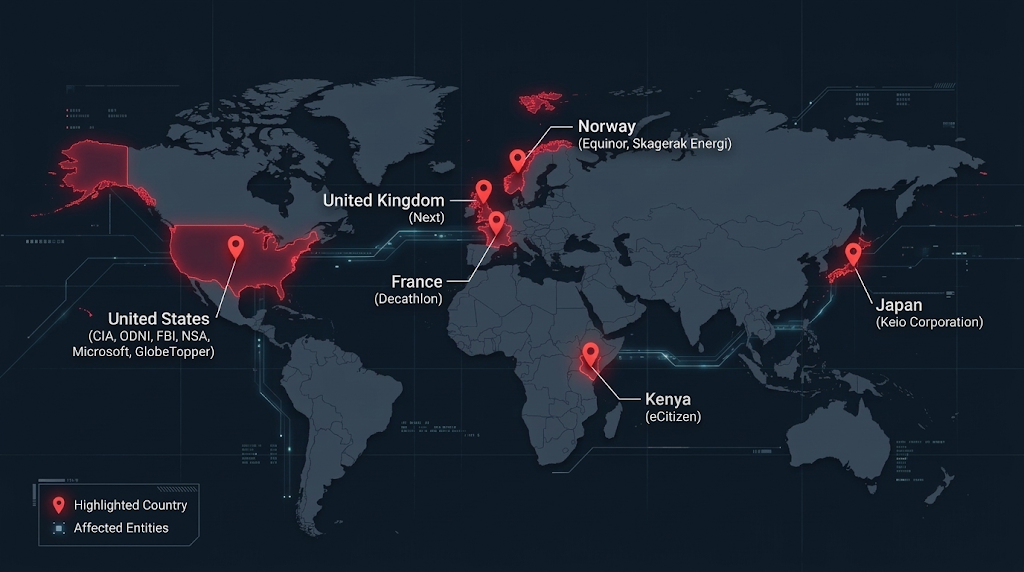
From Kenya’s eCitizen platform to Japanese railway operator Keio Corporation and French retailer Decathlon, recent disclosures reveal how vulnerable the systems holding people’s personal information have become.
Welcome to the winter of cyber discontent.
Clouds Gather Over a Glorious Summer
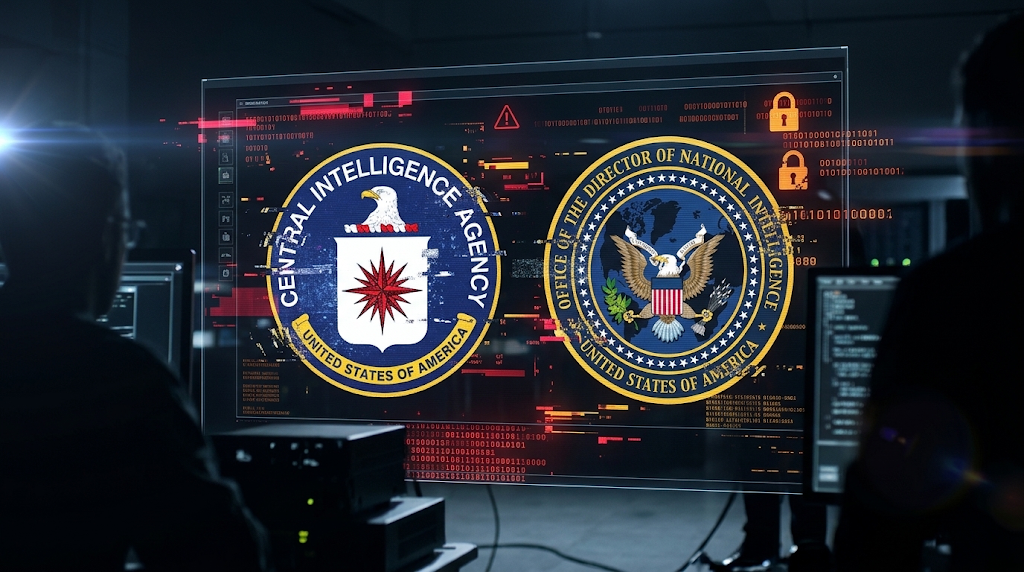
Perhaps the most consequential disclosure involves the CIA and the Office of the Director of National Intelligence (ODNI).
An unclassified system that the two institutions use to collect and analyse open-source intelligence was breached. The incident reportedly exposed some unclassified information. Officials say classified networks were not affected and the breach has been resolved.
The incident also comes amid other intrusions affecting US security agencies, including reported breaches involving the FBI and NSA.
Kenya’s eCitizen platform is among the latest systems facing scrutiny after a threat actor claimed to have stolen approximately 740GB of government data. The alleged information includes identity documents, database records and source code.
The government has acknowledged the reports and launched an investigation but has not confirmed the extent of the alleged data breach.
In Japan, Keio Corporation has disclosed that a ransomware attack detected in September may have exposed information relating to approximately 10.63 million customers across its railway, hotel and other businesses.
The exposed information reportedly includes passport images belonging to more than one million foreign hotel guests. The company has also confirmed leaks involving employee and applicant information.
The incident illustrates how long the consequences of cyberattacks can take to emerge. The initial intrusion happened months ago, but investigations into the exposed information are continuing.
French retailer Decathlon has also confirmed that an attack involving an external service provider exposed information belonging to more than 130,000 customers. Names, telephone numbers, email addresses, delivery addresses and some delivery instructions were reportedly accessed.
READ: Kenya Records 2.7 Billion Cyber Threat Events in Three Months
Although passwords and banking information were not affected, exposed delivery details could help criminals impersonate couriers or send convincing messages requesting fake delivery fees.
The problem is not necessarily what criminals can steal immediately, but how they can use seemingly ordinary information to deceive people.
British retailer Next has separately reported unauthorised access to limited information through a third-party technology supplier. The company says its systems were not compromised, and there is currently no evidence that customer personal information was exposed. However, investigations are continuing.
It’s worth noting that a company does not necessarily need to suffer a direct network intrusion to become a victim of a cyber incident.
Stolen Keys Open Doors in the Dark
The incidents at Next and Decathlon highlight the risks that come with third-party suppliers, while the breach at GlobeTopper shows how compromised access credentials can turn into direct financial losses.
GlobeTopper provides gift card and digital top-up services to businesses through API integrations, and attackers reportedly obtained API credentials belonging to some of its business customers, using them to redeem approximately $70,000 in gift cards.
The company then took parts of its platform offline to contain the incident and rebuild the affected infrastructure. Its parent company, iQSTEL, estimates that the disruption could cost up to $2.5 million in lost revenue, which shows how a compromised integration can do far more than expose customer information, disrupting a whole business, triggering financial losses and reaching the companies that rely on the same platform.
Microsoft has also addressed two security vulnerabilities. One exposed customer organisation metadata and administrator contact information through Entra Connect Health.
Another affected Azure API Management, potentially exposing stored credentials and access tokens. Norwegian energy companies Equinor and Skagerak Energi reported related security incidents, although neither reported confirmed data theft.
The incidents demonstrate why fixing a vulnerability is not always enough. Potentially exposed credentials must also be revoked, replaced and investigated.
Winter Is Already Here

There is no evidence connecting these incidents to one coordinated attack, and their significance lies in their cumulative effect.
Vulnerabilities are no longer confined to an organisation’s internal network, because suppliers, cloud platforms, APIs, authentication services and third-party applications have all become part of the same security perimeter.
The consequences also reach well beyond stolen passwords and financial information, as intelligence priorities, government identity records, patient details and business credentials can all become valuable targets.
For Kenya, the eCitizen investigation is a pointed reminder that digital government infrastructure needs the highest standards of protection and transparency, and for businesses, securing internal systems is no longer enough, since their suppliers and technology partners must meet the same security expectations.
READ: Kenya Records 29% Rise in Cyber Threats to 11.12 Billion
Richard III’s opening presents an apparent period of peace before conflict returns.
Services continue running, businesses remain online and millions of people trust platforms with their most sensitive information, yet beneath that convenience, vulnerabilities are accumulating across industries and borders.
The next major cybersecurity crisis may not come from one spectacular attack, but from the cumulative damage of interconnected failures.
The winter of cyber discontent is not approaching. It is already here; the digital peace is over.