




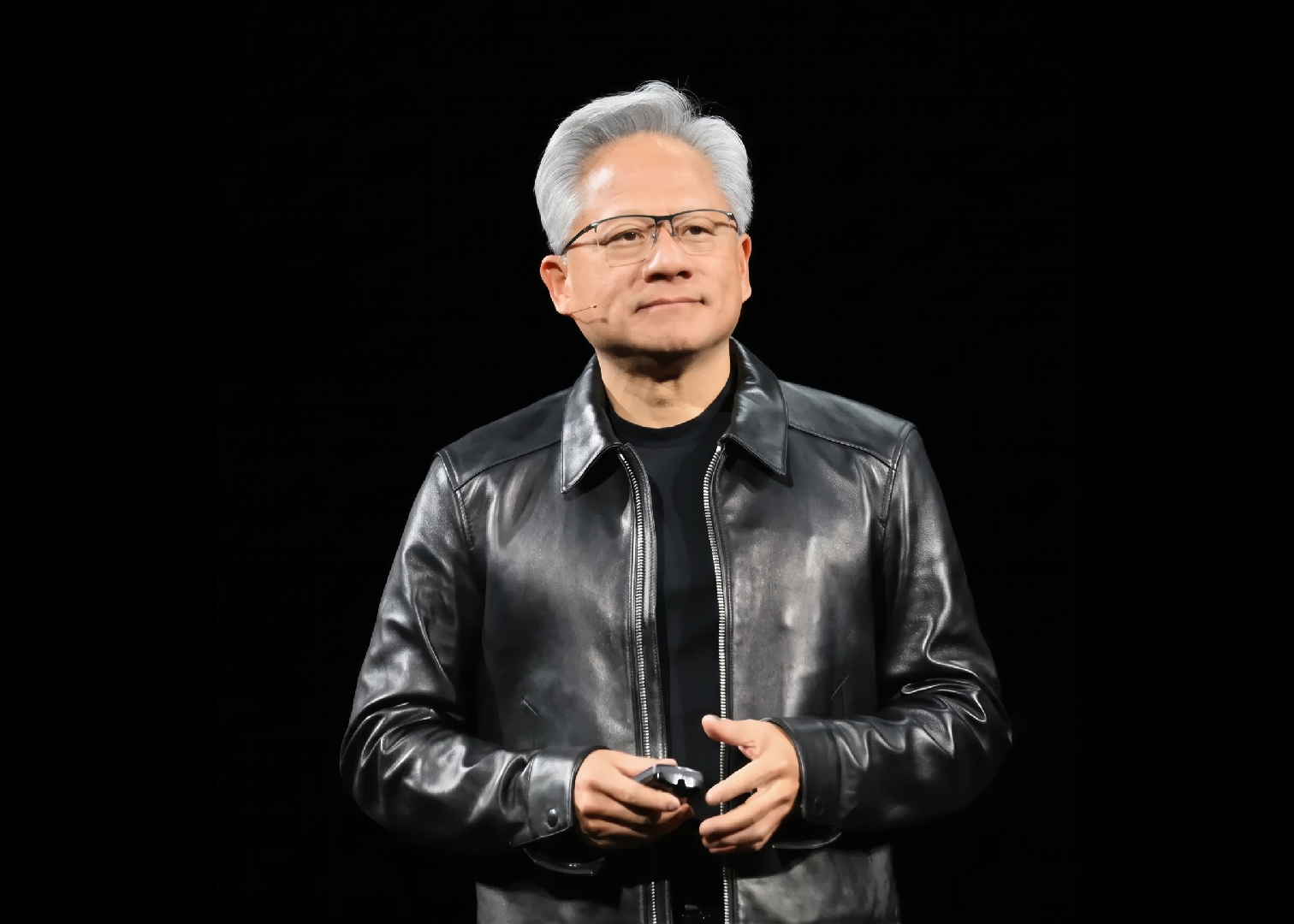
Nvidia is reportedly weighing whether to remove Jensen Huang as CEO, a move that would mark a dramatic turn for a company he has led since its founding in 1993.
Jensen, the company’s co-founder, has spent more than three decades building it into the world’s leading supplier of AI chips, making him central to its identity, strategy, and investor confidence.
That standing now faces a test, with the board having opened an independent investigation after reports that a Chinese businesswoman tied to intelligence services built a close relationship with Huang, who has admitted being unfaithful to his wife but has not admitted to passing on any information.
The Wall Street Journal reported that Nvidia’s board was considering removing Huang as CEO, with CNBC also reporting that directors were discussing his future.
However, Nvidia has not announced his removal. In a November 8 statement, the board expressed confidence in Huang and his leadership team while an independent investigation proceeded.
If the board eventually removes him, what would he actually lose?
What the Board Can Take Away
Removal as CEO would end Huang’s day-to-day command at once, leaving him without control of operations, the management team, or the company’s priorities, and without the role of Nvidia’s public face.
He could also lose future pay and equity awards, depending on the terms of his agreements.
Nvidia’s bylaws, as reported from the March 2024 version, let a majority of directors remove an officer with or without cause, and with 10 of the 11 board seats held by independent directors.
His position on the board is a separate issue. Dismissing him as CEO would not automatically remove him as a director, because that decision belongs to shareholders.
What Jensen Would Keep
Huang would retain shares he already owns. Nvidia’s 2026 proxy statement reported that he beneficially owned approximately 870.6 million shares, representing 3.58% of Nvidia, as of March 23, 2026.
These holdings include shares held through trusts, limited liability companies, and the Huang Foundation.
His removal would not automatically cancel these shares. However, unvested restricted stock units, performance awards, and options could be forfeited under the applicable agreements.
Selling shares would also come with restrictions. As a major insider, Huang would remain subject to insider-trading rules, securities reporting requirements, and applicable limits on share sales.
Huang’s Influence Outlasts the Job
A stake worth roughly USD 162.5 billion before this week’s slide buys a great deal of attention but not command.
Huang could vote his shares, talk to other investors, campaign against directors, or even attempt a proxy fight, though he would need large outside shareholders on his side because 3.58% cannot carry a vote alone, and he could also start another company within the limits of confidentiality, trade secrets, and fiduciary duties.
The harder problem sits with the board, since Nvidia has no named successor and Huang has said he does not believe in succession planning while running a flat structure with as many as 60 direct reports.
Bloomberg reported that the board is working with an outside firm on replacements, and some analysts have floated CFO Colette Kress as an interim chief, while a leave of absence or a move to a chair role remain options short of removal.
Analyst Dan Ives has put the company’s value 25% – 30% lower without Huang, and Nvidia has shed roughly USD 600 billion in market value since the investigation began.
Whatever the board decides, Huang would not be left powerless, but the kind of power he holds would change, moving from running the company to whatever he can still sway through his shares, his reputation, and his standing with investors.