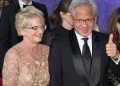





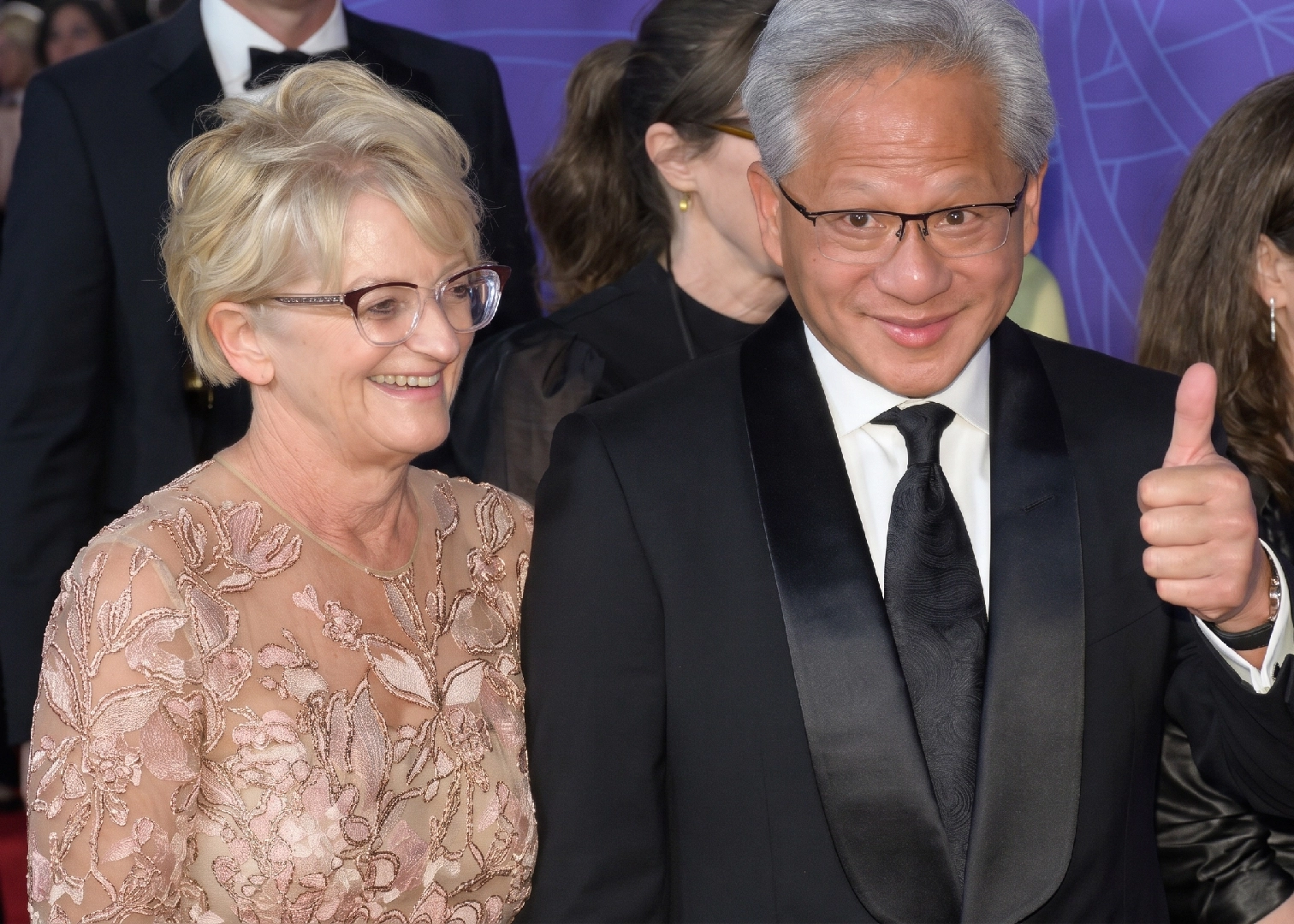
The board of microprocessor company, Nvidia, has opened an independent investigation into CEO Jensen Huang after reports that a Chinese businesswoman tied to intelligence services built a close relationship with him. The board says it has no reason to believe US national security or company secrets were compromised.
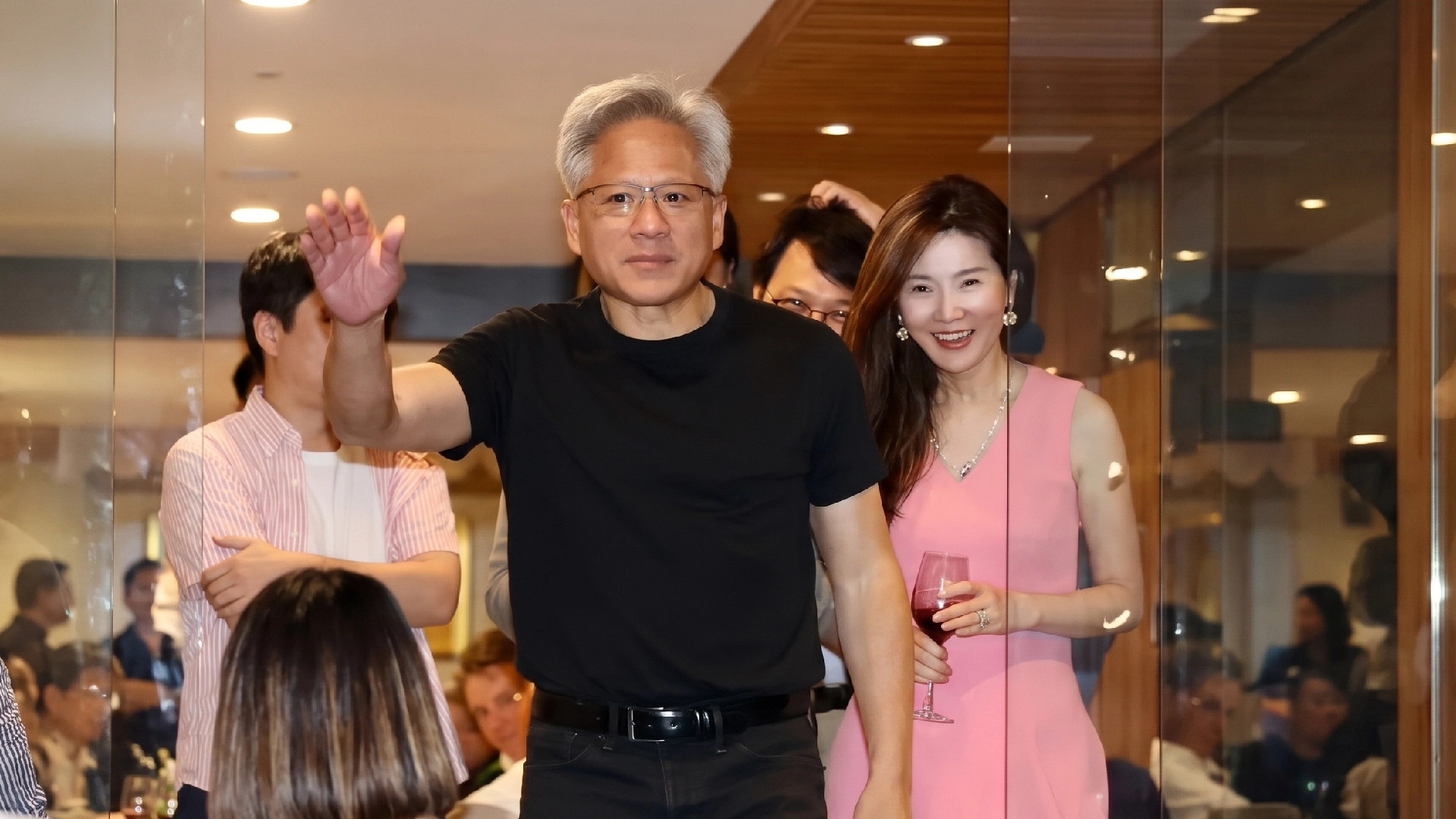
The controversy centers on reports that Chinese businesswoman Alice Huang developed a close relationship with Huang as part of an intelligence operation. US agencies reportedly believe she was recruited by China’s Ministry of State Security to gather information on him and potentially sway Nvidia’s position on chip sales to China.
In a released statement, the board said a committee of independent directors, supported by outside counsel, will run the review. It says it has no reason to believe US national security or Nvidia’s secrets were compromised and that Huang supports the inquiry and retains its confidence.
Huang has admitted he was unfaithful to his wife and apologized to his family, staff, board, partners, and shareholders.
“I owe my family and all of you an apology. I was unfaithful to my wife. My actions hurt her and our children. There is no excuse for what I did. I am deeply sorry… I love our country and our company, and I am committed to protecting Nvidia and supporting America’s national security,”
He did not admit to passing information, breaking export controls, or knowing Alice Huang was an intelligence asset, and he said he would cooperate with the national security investigation.
How the Allegations Unfolded
The New York Times reported on October 29 that US intelligence agencies had concluded that Alice Huang was a Chinese intelligence asset and that surveillance showed she had built a close relationship with Huang.
The paper linked her to Megaspeed, a Singapore-based data center company scrutinized over suspected diversion of advanced Nvidia chips to China. It described Huang as a target of a spy plot but published no evidence he knowingly took part.
The Times also reported that President Trump was briefed about a year earlier and chose not to act. All of it rests on people briefed on the intelligence, which has not been released.
On November 5, the chairmen of the House Foreign Affairs Committee, the Select Committee on China, and the House Intelligence Committee asked Huang for a closed-door briefing on November 18 about his dealings with Alice Huang and Nvidia’s safeguards against foreign espionage. The request shows lawmakers’ concern but falls well short of a finding of wrongdoing.
Why This Matters Beyond Huang’s Personal Life
Huang has built Nvidia into one of the world’s most valuable technology companies, and its GPUs train and run many leading AI models, making them strategic assets in the US-China technology contest. Washington restricts China’s access to advanced chips over military concerns, so customer verification and export controls carry national security weight.
The allegations point to a possible vulnerability at the executive level. Investigators will need to establish what Huang knew, whether Alice Huang had access to confidential information, and whether security procedures were followed.
Even without evidence of stolen information, the case could expose weaknesses in how Nvidia manages executive relationships with people linked to foreign governments, and it puts its China-related business under renewed scrutiny.
How Events Could Unfold
The most likely path, on what is known today, is that Huang stays in his job while the inquiry runs, given the board’s stated confidence in him.
In the mildest case, investigators find no sign protected information was accessed or transferred, and Nvidia tightens its rules on executive contacts, leaving Huang damaged but still chief executive.
READ: The World May Not Be Desperate for AI Agents, Yet
A middle outcome would see the board conclude the relationship created a serious, unmanaged vulnerability without proof that secrets left the building. Huang could stay under conditions, with security-sensitive or government-facing duties moved elsewhere, while Congress and US agencies look harder at Nvidia’s China-related sales.
The severe outcome would need evidence that has not surfaced publicly, including cooperation with an intelligence operation, material disclosure of sensitive information, export-control violations, or deception of the board or investigators. That could end in resignation or removal, along with securities, regulatory, or national security consequences.