




Kenya’s government is investigating claims that the eCitizen platform was penetrated and that hundreds of gigabytes of identity documents, databases and source code were copied. Authorities have not confirmed that a breach or data theft occurred.
How an Underground Forum Post Sparked a National Investigation
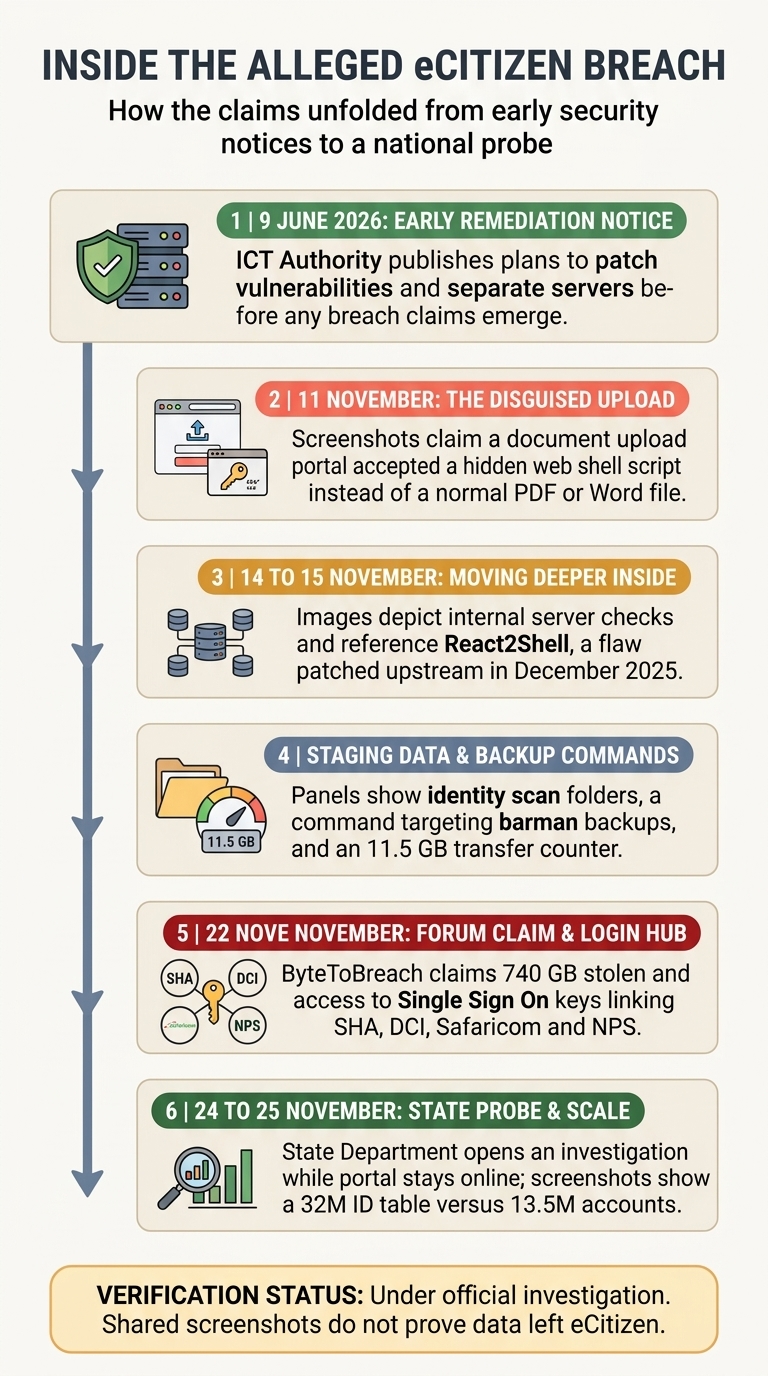
A cyberattack claim involving Kenya’s eCitizen platform developed over several days from an underground forum post into a national security investigation. The threat actor known as ByteToBreach claimed to have taken about 740GB of information from the government portal, including identity documents, database records and source code.
The claim has not been independently verified. The State Department for Immigration and Citizen Services has acknowledged the reports and said technical teams are investigating, but it has not confirmed that citizen data was accessed or removed. The platform has remained available to users.
What follows is the clearest reconstruction of events available from public reporting and the screenshots attributed to the alleged attacker.
Why the Incident Matters
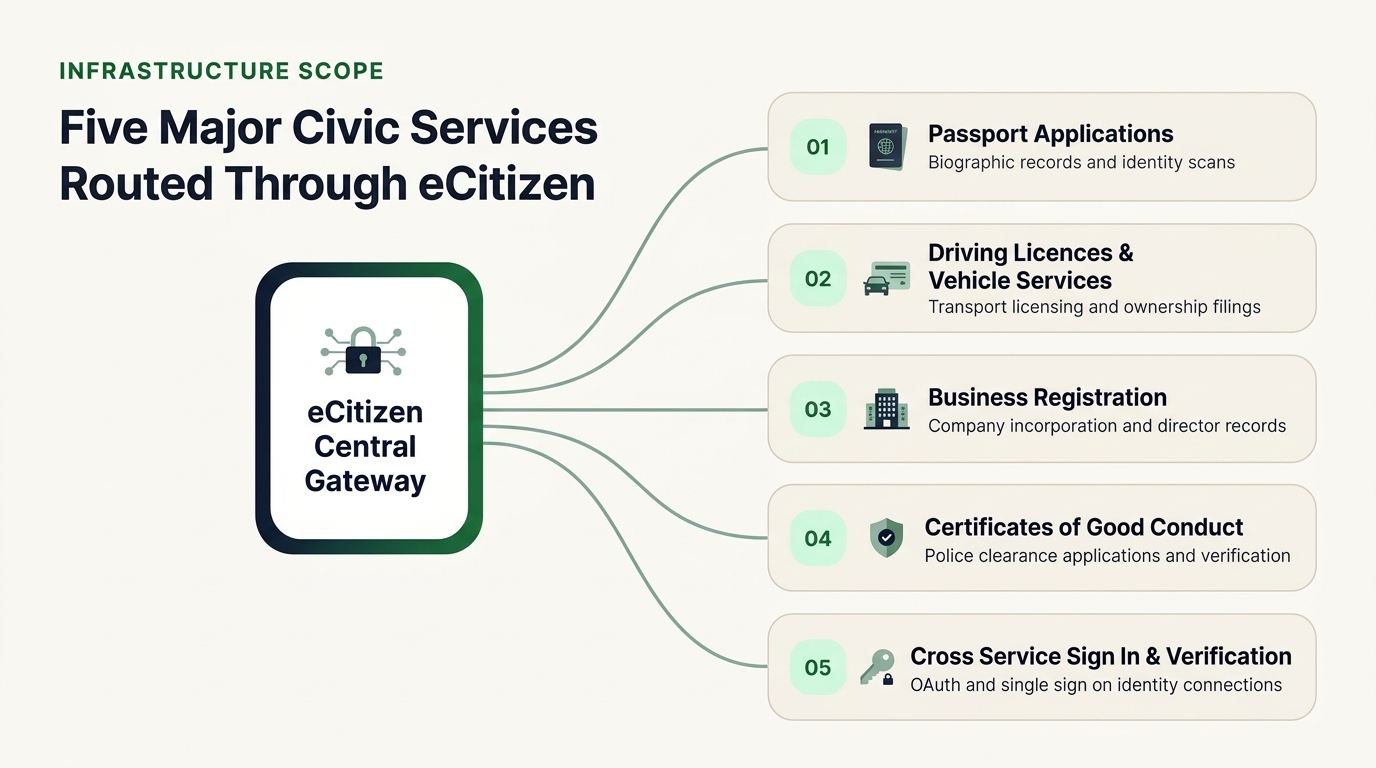
Kenya’s eCitizen is the main online gateway to government services, including passport applications, driving licences, vehicle related services, business registration and certificates of good conduct.
The platform is reported to have over 14 million active account holders by the end of 2024. It is also connected to other services through authentication arrangements that allow users to sign in or be verified across systems.
That concentration of identity information makes any confirmed compromise potentially more serious than an ordinary website intrusion.
How ByteToBreach Could Have Done It
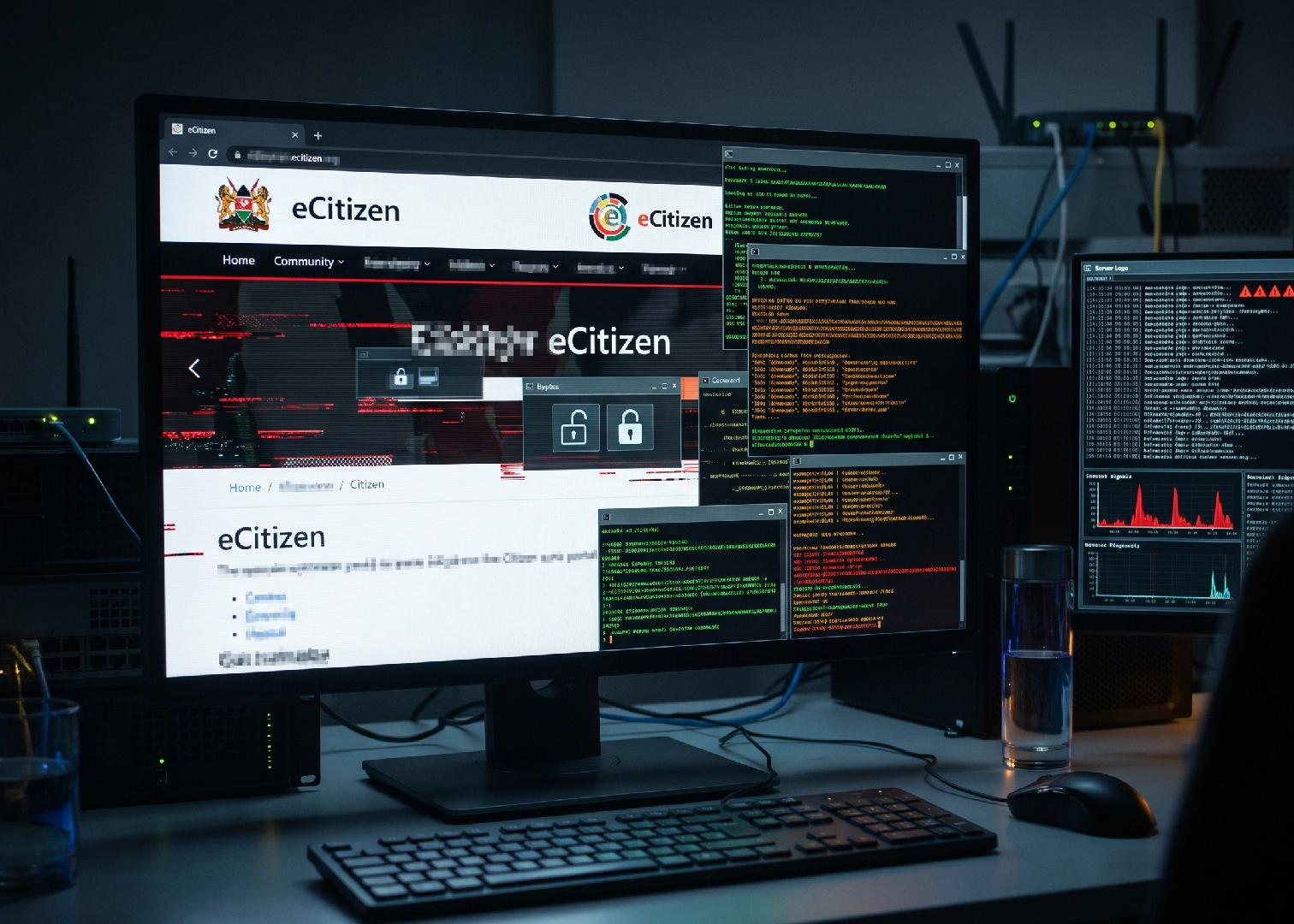
Screenshots attributed to ByteToBreach suggest a possible intrusion that began with a document upload feature and progressed into the platform’s internal systems. The alleged sequence involves uploading a disguised file, bypassing server-side checks, gaining remote access and locating sensitive data.
Other screenshots appear to show database folders, backup commands and a transfer counter. However, these images provide clues about the alleged attack rather than independently proving that each stage occurred.
What Is a Web Shell?
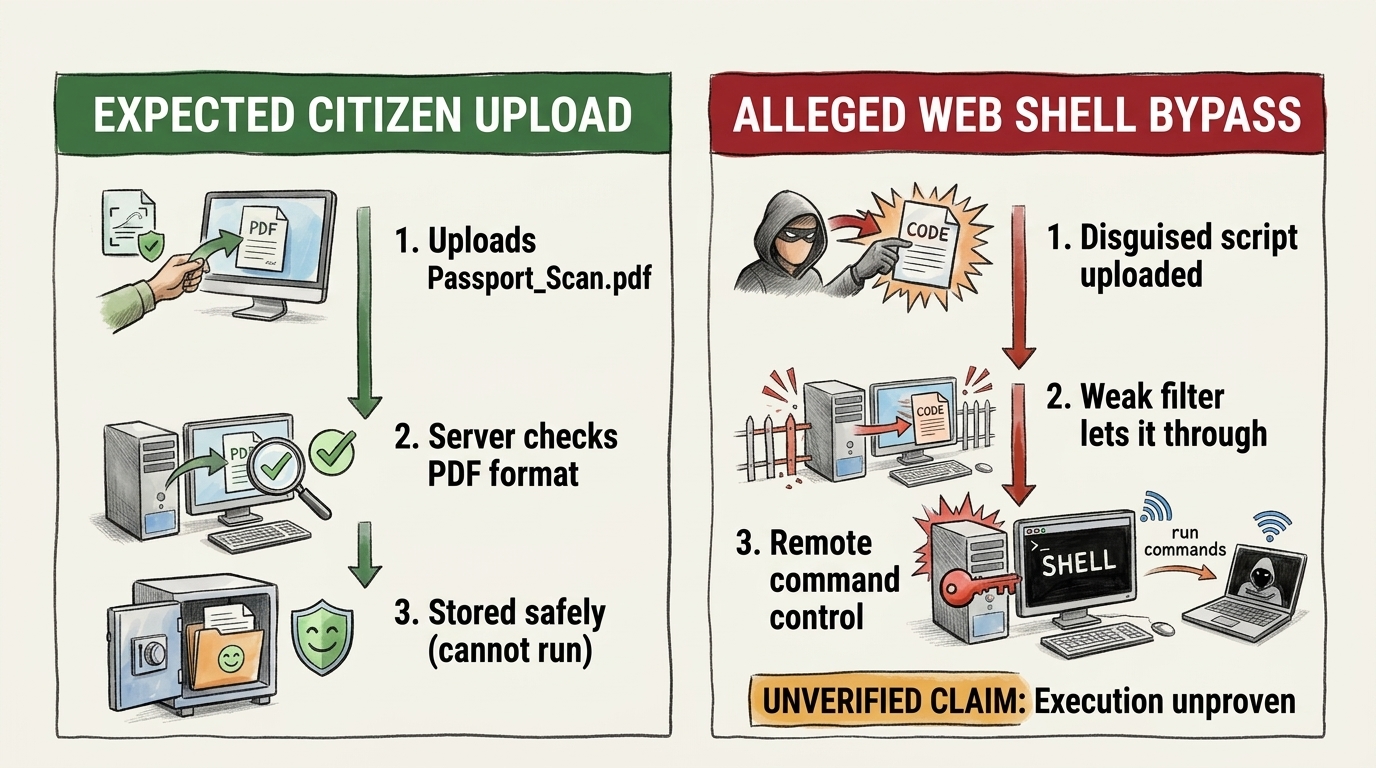
A web shell is a malicious script uploaded to a web server to give an attacker remote access and the ability to execute commands.
In the alleged eCitizen intrusion, the attackers appear to have exploited a document upload feature to introduce a disguised script instead of a legitimate document.
If successfully executed, such a script could allow an attacker to interact with the server remotely, inspect files and potentially move deeper into the system. The screenshots suggest this was the suspected entry point, although successful execution remains unverified.
Visual Data Breakdown & Screenshot Forensics
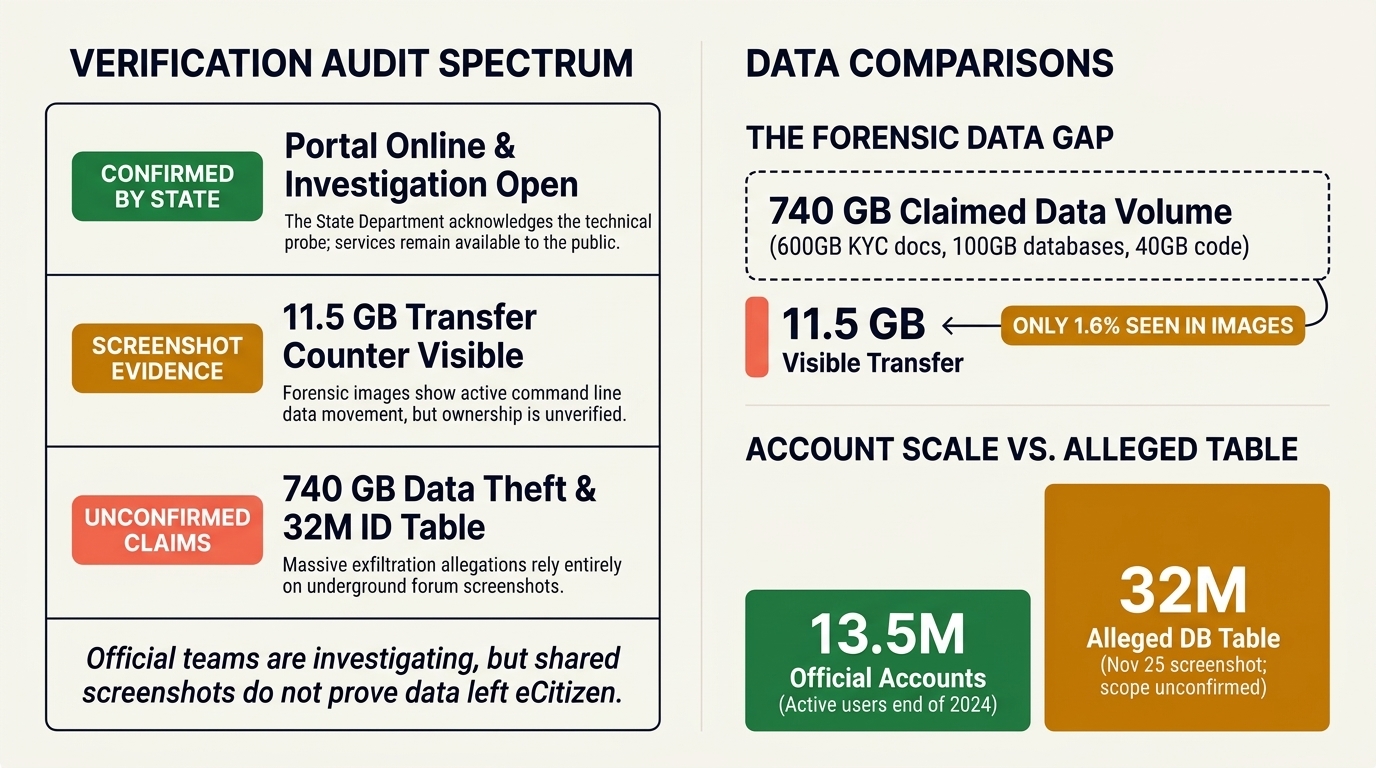
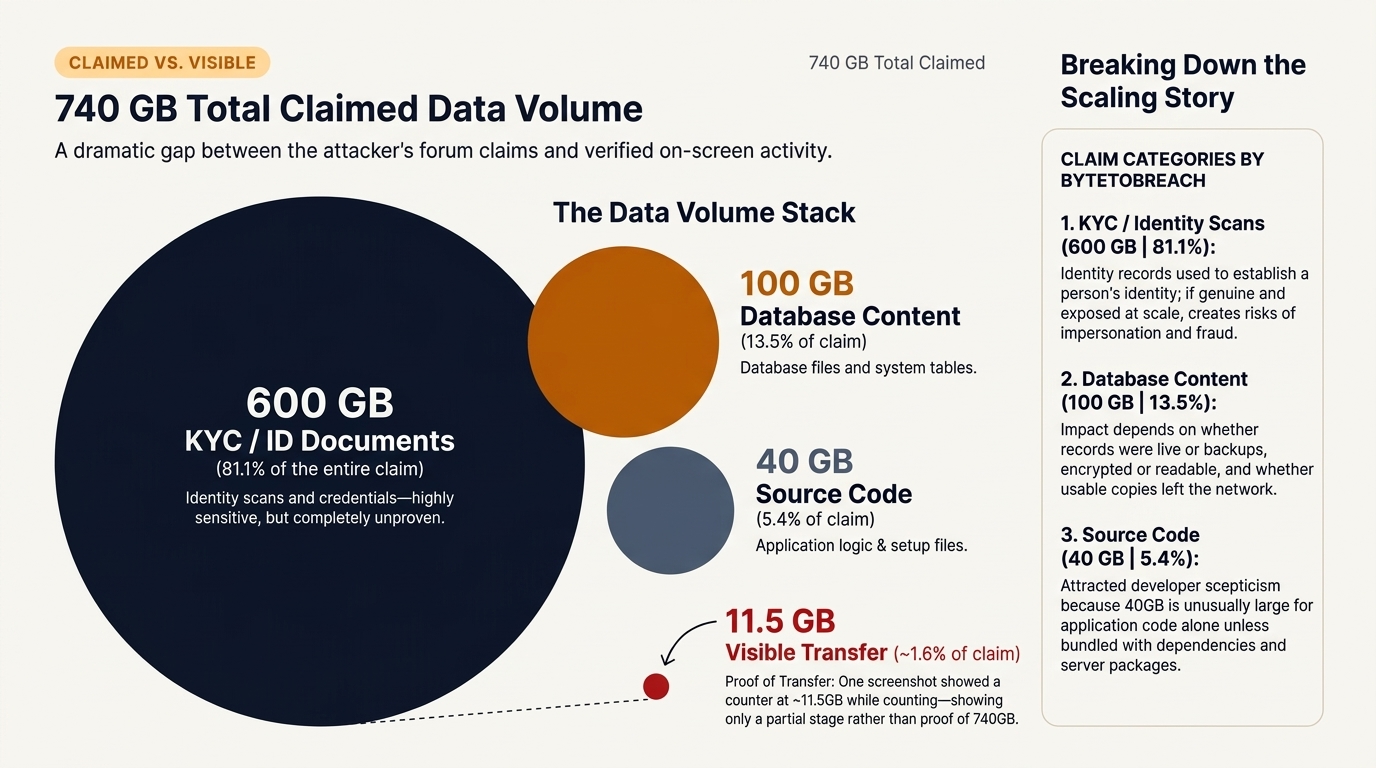
ByteToBreach claimed to have extracted approximately 740GB of information, comprising 600GB of KYC and identity documents, 100GB of database content and 40GB of source code.
However, the screenshots offer a much smaller piece of visible evidence, showing an 11.5 GB transfer counter. There are also discrepancies in the account figures, with the alleged database table showing 32 million identities against 13.5 million official accounts.
These differences raise questions about the actual volume, composition and provenance of the material being presented as stolen data.
What We Know So Far & Protective Steps
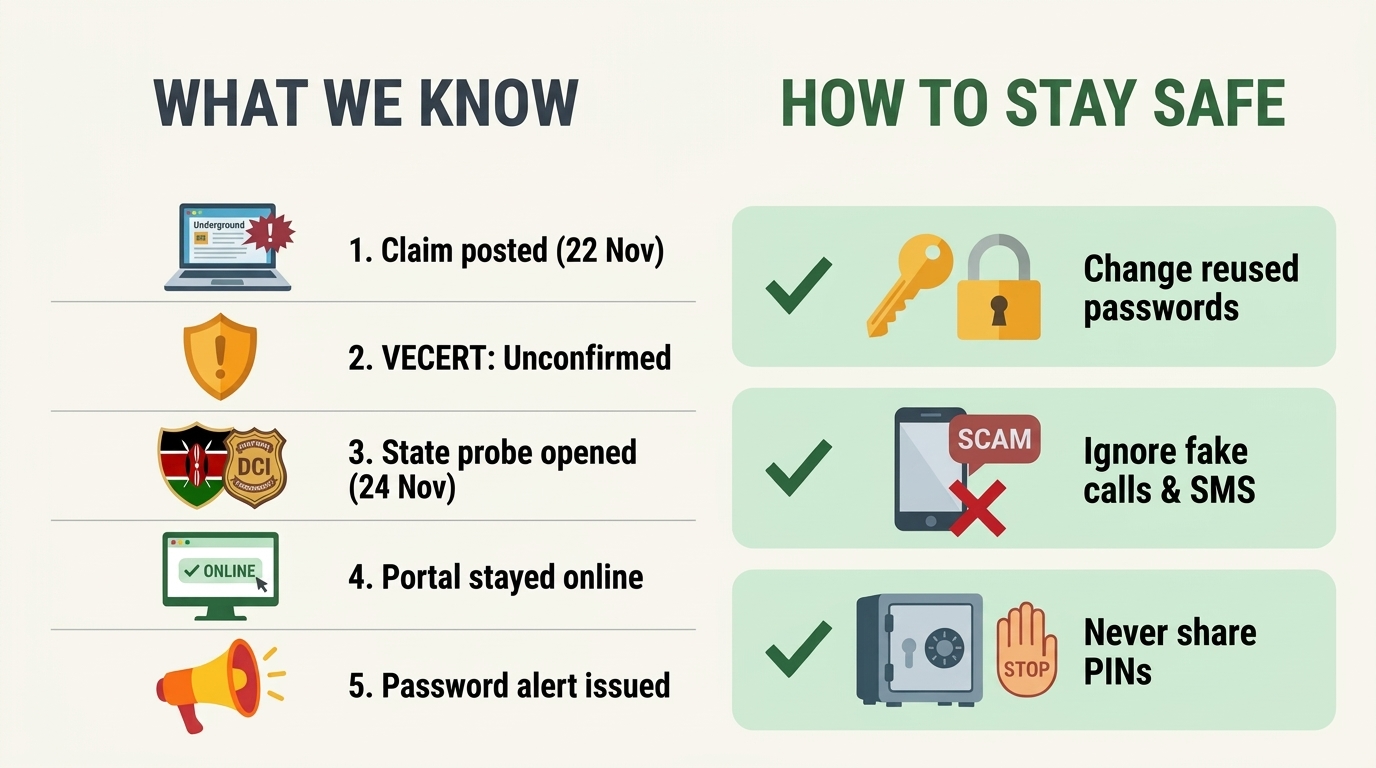
Kenyan authorities have acknowledged the claims and opened an investigation but have not confirmed that eCitizen was breached or that citizen information was stolen.
The portal has remained online, and the available screenshots have not established the extent of any unauthorised access.
READ: Death by a Thousand Integrations: How Seamless Tech Left Companies Open to a Cyber Winter
In the meantime, users should change reused passwords, remain alert to suspicious calls and SMS messages, and never share their passwords, PINs or verification codes. These precautions are worthwhile regardless of the investigation’s eventual findings.