





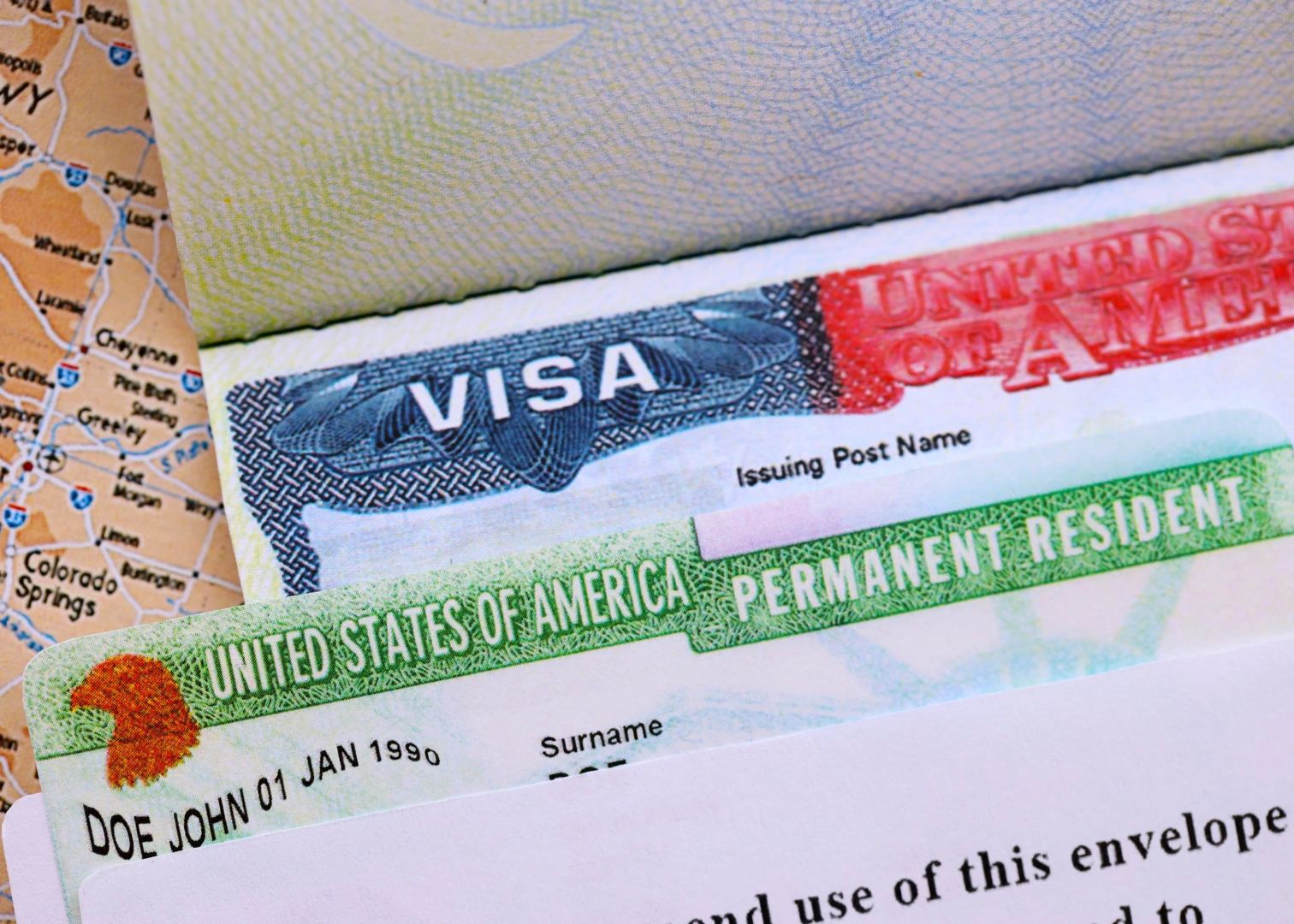
On Thursday, October 8, the Trump administration suspended Microsoft from the process companies use to sponsor foreign workers for permanent residency.
By evening, the same administration was scheduled to hand Microsoft CEO Satya Nadella a National Medal of Technology and Innovation.
What Was Suspended
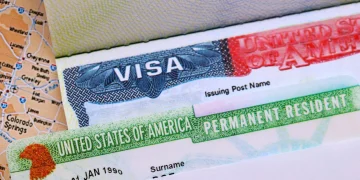
This is about green cards, not H-1B visas. Workers already on H-1B visas keep their temporary work authorization. What is blocked is the next step, the employer-sponsored route to permanent residency.
READ: Trump’s H-1B Visa Could Push Tech Firms Toward Remote Hiring
Labor Secretary Keith Sonderling said the government will not accept new or pending permanent labor certification applications involving the suspended companies. That is the Labor Department filing an employer must make before sponsoring someone for a green card.
Microsoft is the headline name, but it is not alone. Adobe, Capgemini, Cognizant, HCL, Infosys, Tata, and Wipro were also named.
At the time of writing, it remains unclear how long the suspension will last, what legal authority it is based on, and what will happen to workers whose applications were already being processed.
JD Vance’s Case
Vice President JD Vance made the announcement and focused on how the process works. Before sponsoring a green card, a company has to advertise the job in the U.S. and show that nobody qualified applied.
Vance said companies run those ads somewhere obscure, such as a small-town newspaper, then point to the silence as proof they need a foreign worker.
He then gave numbers for Microsoft: about 6,000 American workers laid off last year, about 6,300 H-1B visas obtained, and almost 3,000 green cards. His conclusion was that Microsoft replaced each laid-off worker with one and a half “foreign indentured servants.”
He defended that phrase by saying H-1B workers who lose their jobs have to leave the country and are paid less than Americans in the same roles.
Checking the Math
The 1.5 figure does not come from the visa count alone. 6,300 visas divided by 6,000 layoffs is about 1.05. You only reach 1.5 by adding the roughly 3,000 green cards on top, which is 9,300 against 6,000.
Green cards are typically pursued for people already working in the country, so that sum may count some of the same people twice.
READ: How to Apply for the DV-2027 Green Card Lottery: Step-by-Step Guide
Microsoft’s Response
Microsoft said the vast majority of its U.S. employees are Americans and that it looks forward to giving the administration more information. It also countered with its own numbers.
Of about 6,000 H-1B applications filed last fiscal year, 80% were to extend or change the status of people already working there. The remaining 20%, roughly 1,200 filings, were for people already legally in the U.S. who chose to join the company.
Microsoft says that group equals about 1% of its U.S. workforce and that none of them were new arrivals to the country. It also says it pays H-1B employees the same as others doing comparable work.
READ: Green Card Lottery Applicants Must Now Pay $1 Registration Fee
Beyond Microsoft, Vance also named nine universities for investigation over alleged misuse of J-1 visas, which cover work and study exchange programs. He said these schools used the program in higher proportions than their peers.
They are Harvard, Yale, Stanford, Brown, the University of Pittsburgh, UC Davis, Caltech, Arizona State, and MIT.
The day before, the Department of Homeland Security proposed a $70,000 fee for international students working in the U.S. under Optional Practical Training, which lets students work in jobs related to their major during or after school.
Under the proposed rule, schools would pay the fee for every student who participates.
H-1B visas are meant for skilled jobs that are hard to fill locally. Tech companies are the biggest users, and nearly three-quarters of approvals go to workers from India, as per a report by NBC News.
Critics have long argued the program undercuts American workers. Supporters say it fills real talent gaps, and Microsoft’s reply leans on that view.
The open questions are practical. How long will the suspension last? Will it hold up if challenged? What happens to workers already waiting? Until those are answered, thousands of people on temporary visas are stuck wondering whether their path to permanent residency just closed.