




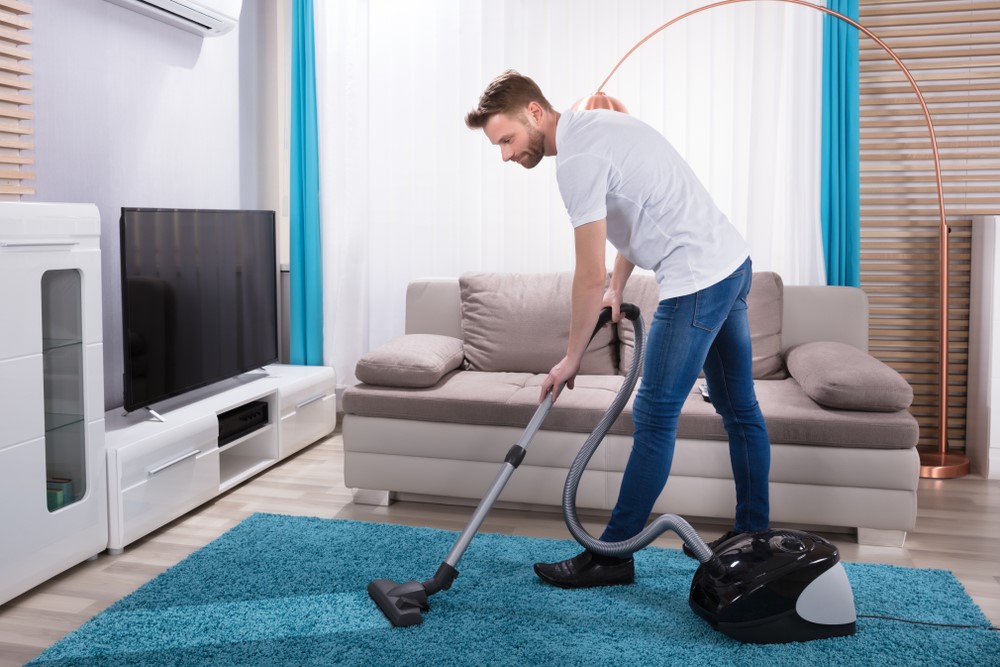
Keeping a home clean requires regular attention to floors, furniture and other frequently used surfaces. Everyday activities can introduce dust, crumbs, pet hair and small particles that gradually collect in different areas. Without proper cleaning, these materials can affect the appearance of living spaces and make household maintenance more difficult. A vacuum cleaner offers a practical solution by removing accumulated dirt and helping maintain a tidy indoor environment.
Modern cleaning appliances are available in various designs, sizes and performance levels. Some are developed for deep carpet cleaning, while others are better suited to hard flooring, furniture or quick daily cleaning. Understanding the available options and their features can help homeowners select equipment that meets their household requirements.
Understanding How a Vacuum Cleaner Works
A vacuum cleaner uses an electric motor to generate suction, drawing air and unwanted particles through an intake opening. The collected material travels through an internal airflow system before reaching a dust container or disposable bag.
Most appliances include filters that separate dust and debris from the incoming air. These components help prevent collected particles from immediately returning to the surrounding environment. The quality and design of the filtration system can influence the appliance’s overall performance.
Different cleaning attachments make it possible to work on various surfaces. Specialized brushes can help remove dirt from carpets, while narrow accessories are useful for corners, furniture gaps and other restricted spaces. This flexibility makes vacuum cleaners suitable for many household cleaning tasks.
Different Types of Vacuum Cleaners
There are several categories of vacuum cleaners, each offering different advantages. The most appropriate choice depends on the size of the property, flooring materials, storage availability and cleaning preferences.
Upright Vacuum Cleaners
Upright cleaners feature a combined body and floor-cleaning head, allowing users to move the appliance across larger surfaces. They are commonly selected for homes with carpets because many models include rotating brush systems designed to loosen embedded dirt.
Additional features may include adjustable cleaning heights, removable accessories and different suction settings. Although some upright appliances can be relatively heavy, they provide convenient coverage when working across spacious rooms.
Canister Vacuum Cleaners
Canister models have a separate main unit connected to a cleaning wand through a flexible hose. This arrangement offers greater freedom when reaching different surfaces and locations.
They are particularly useful for cleaning staircases, curtains, sofas and spaces beneath furniture. Their flexible construction also makes them suitable for homes with a mixture of carpets and hard flooring.
Cordless Vacuum Cleaners
Battery-powered cleaners provide flexibility because they do not need to remain connected to a wall socket during operation. Their lightweight construction makes them convenient for quick cleaning and moving between rooms.
These appliances are particularly popular in apartments and smaller households where storage space may be limited. Before purchasing one, it is important to examine battery duration, charging requirements, dust capacity and suction performance.
Robot Vacuum Cleaners
Robot cleaners are designed to perform routine floor maintenance with limited manual involvement. They move independently across floors using sensors and navigation systems to identify obstacles and clean accessible areas.
More advanced versions may include room mapping, scheduled cleaning and automatic charging features. They can be useful for maintaining everyday cleanliness, although corners, stairs and heavily soiled areas may still require manual attention.
Important Features to Consider Before Buying
Choosing a cleaning appliance involves examining several characteristics rather than focusing exclusively on its appearance or price. Performance, convenience and maintenance requirements should all influence the final decision.
Suction power is an important factor, particularly when cleaning carpets or removing heavier debris. However, effective cleaning also depends on airflow, brush design and the quality of the floor attachment.
Filtration deserves attention, especially in homes where controlling fine dust is a priority. HEPA filtration systems are designed to capture very small airborne particles when incorporated into an appropriately sealed appliance.
The capacity of the dust container or collection bag determines how frequently it needs emptying. Larger households may benefit from greater capacity, while smaller models can be more convenient for limited storage spaces.
Other useful considerations include noise output, cord length, battery performance, available accessories and the availability of replacement parts.
The Importance of Regular Vacuum Cleaning
Consistent cleaning prevents everyday dirt from accumulating across household surfaces. Carpets, rugs and upholstered furniture can collect particles over time, making regular maintenance important for keeping them in good condition.
Pet owners may need to clean more frequently because loose hair can spread across floors, sofas and bedding. Families with children may also benefit from maintaining a regular schedule to manage crumbs and other everyday mess.
Areas that are often overlooked, such as underneath beds, behind furniture and along room edges, deserve attention as well. Suitable attachments can make these locations easier to clean without moving every household item.
Vacuuming mattresses and upholstered furniture can help remove loose surface debris, provided the appliance has an appropriate attachment and the manufacturer’s care instructions are followed.
Tips for Maintaining Your Vacuum Cleaner
Regular maintenance helps preserve cleaning performance and reduces the likelihood of avoidable mechanical problems. One of the most important tasks is emptying the dust container before it becomes excessively full or replacing disposable bags when required.
Filters should be inspected according to the manufacturer’s instructions. Some can be washed, while others require replacement after a specified period. Washable components must dry completely before being returned to the appliance.
Brush attachments also need occasional attention. Hair, threads and fibres can become wrapped around rotating components, potentially affecting their movement and effectiveness.
It is also advisable to inspect the hose and air passages for blockages. Cleaning the exterior and keeping the appliance in a dry storage area can further help maintain its condition.
Choosing the Right Vacuum for Your Lifestyle
Different households have different cleaning priorities, so there is no single model that suits everyone. Larger homes with extensive carpeting may benefit from an upright or canister appliance with strong cleaning performance.
People living in compact apartments might prefer lightweight cordless models that are easy to store and operate. Pet owners can look for specialized brush attachments, while busy households may find automated robot cleaners useful for routine maintenance.
It is also worth comparing warranty periods, servicing options and the cost of replacement filters or batteries. Considering these long-term expenses can help avoid choosing an appliance based only on its initial purchase price.
Final Thoughts
A vacuum cleaner is a useful household appliance that simplifies the process of removing accumulated dust, hair and everyday dirt. With different models available, homeowners can find equipment suited to their property, flooring and cleaning habits. Understanding appliance types, filtration systems, suction performance and maintenance requirements makes the selection process easier. Choosing an appropriate model and looking after it properly can support an effective cleaning routine and help keep living spaces comfortable throughout the year.