




Kenyan households and businesses feel currency moves in a very direct way. When the shilling weakens against the dollar or euro, imported fuel, phones, machinery and even basic food items quickly become more expensive. For traders and investors in Nairobi, Mombasa, Kisumu and other towns, the question is simple. How can you protect the value of your savings when the local currency loses purchasing power.
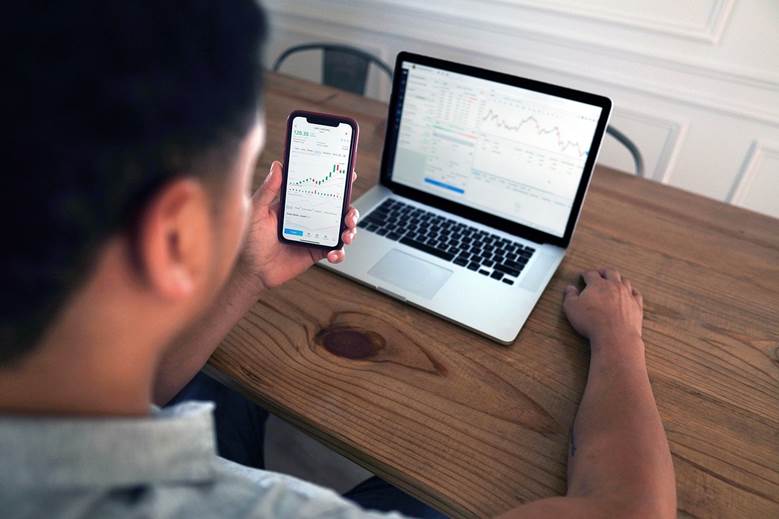
For many Kenyan traders indices trading is becoming a practical tool to offset this pressure. Instead of keeping all their capital in shillings or local assets, they allocate a portion to global stock market indices that are priced in stronger currencies. When done with discipline and risk control, this can act as a partial hedge against currency depreciation.
How Currency Depreciation Affects Kenyan Traders
When the shilling weakens, the impact goes beyond headlines about exchange rates. It changes daily decisions.
Kenyan traders experience:
- Higher costs when funding trading accounts with local currency
- Pressure on household budgets as fuel and transport costs increase
- Uncertainty around long term goals like education or property plans
For people who are active in financial markets, currency depreciation creates both risk and opportunity. The risk is that cash savings in shillings can lose value in real terms. The opportunity is that some assets, such as indices priced in dollars, may rise in local currency terms as the shilling weakens.
What Global Indices Actually Represent
Before using indices as a hedge, it is important to understand what they represent. A stock index is not a single company. It is a basket of shares that moves as a group.
Typical index categories include:
- Large company indices covering major firms in the United States, Europe or Asia
- Sector based indices that focus on technology, banking, energy or healthcare
- Broad market indices that track hundreds of companies across many industries
When you trade an index, you are not buying each share individually. You are taking a position on the overall direction of that basket. This gives Kenyan traders exposure to global companies and currencies in a simplified way.
Why Indices Can Help Hedge Currency Risk
Indices can offer a natural hedge because of how they are priced and what they contain.
Key reasons include:
- Indices are usually quoted in major currencies such as the US dollar or euro
- Many index components are multinational companies that earn revenue globally
- When the shilling weakens, the local value of those foreign currency assets can rise
For example, imagine a Kenyan trader who holds part of their capital in a dollar based index tracking large US companies. If the shilling depreciates while the index remains stable or rises slightly, the value of that index position in shillings may increase more than domestic assets. This gain can help balance the higher cost of imports and local inflation.
Practical Ways Kenyans Use Indices As A Hedge
Different traders and investors approach hedging in their own way. Some common practices in the Kenyan context include:
- Allocating a fixed percentage of trading capital to global indices alongside forex and commodities
- Using indices as a medium term position that is not disturbed by small market fluctuations
- Increasing index exposure during periods when currency pressure and inflation risks are rising
A Nairobi based business owner, for instance, might keep operational funds in shillings but gradually build a separate portfolio in international indices. This separation allows day to day expenses to be managed locally while the index portfolio works as a longer term shield against currency decline.
Balancing Opportunity And Risk
Hedging with indices is not a guarantee of profit. It is a risk management approach. Kenyan traders need to recognise that:
- Index prices can fall even when the local currency is weakening
- Leverage can magnify both gains and losses
- Short term noise can be very high during global news events
This means that trading indices purely on emotion or rumours can be dangerous. A structured plan, clear risk limits and realistic expectations are essential. Many serious traders set maximum percentage risk per trade, use stop loss orders, and track their overall exposure to avoid over concentration in a single index or region.
Building A Simple Hedging Framework For Kenyan Conditions
A useful way for Kenyan traders to think about indices as a hedge is to create a simple framework.
This might include:
- Defining how much of total trading capital is allocated to hedging positions
- Selecting one or two liquid global indices that are easy to follow with news and analysis
- Deciding on a preferred holding period such as weeks or months instead of minutes
- Reviewing positions regularly against movements in the shilling and local inflation
By treating indices as part of a broader financial plan rather than a quick speculation, traders can align these positions with goals such as preserving purchasing power, protecting savings and diversifying away from local economic shocks.
Why Indices Matter For Kenya’s Growing Trading Community
Kenya has a young, tech aware population that already uses mobile money, digital banking and online platforms comfortably. As more people learn about global markets, the idea of using international indices as a hedge feels natural. It allows them to link their financial future to the performance of companies and economies far beyond national borders. In a world where currency movements can be sharp and unpredictable, relying only on local assets can leave traders exposed. Incorporating global indices gives Kenyan traders a way to participate in international growth while softening the impact of domestic currency depreciation. With education, discipline and careful risk management, indices trading can evolve from a foreign concept into a central part of how Kenyans protect and grow their wealth.