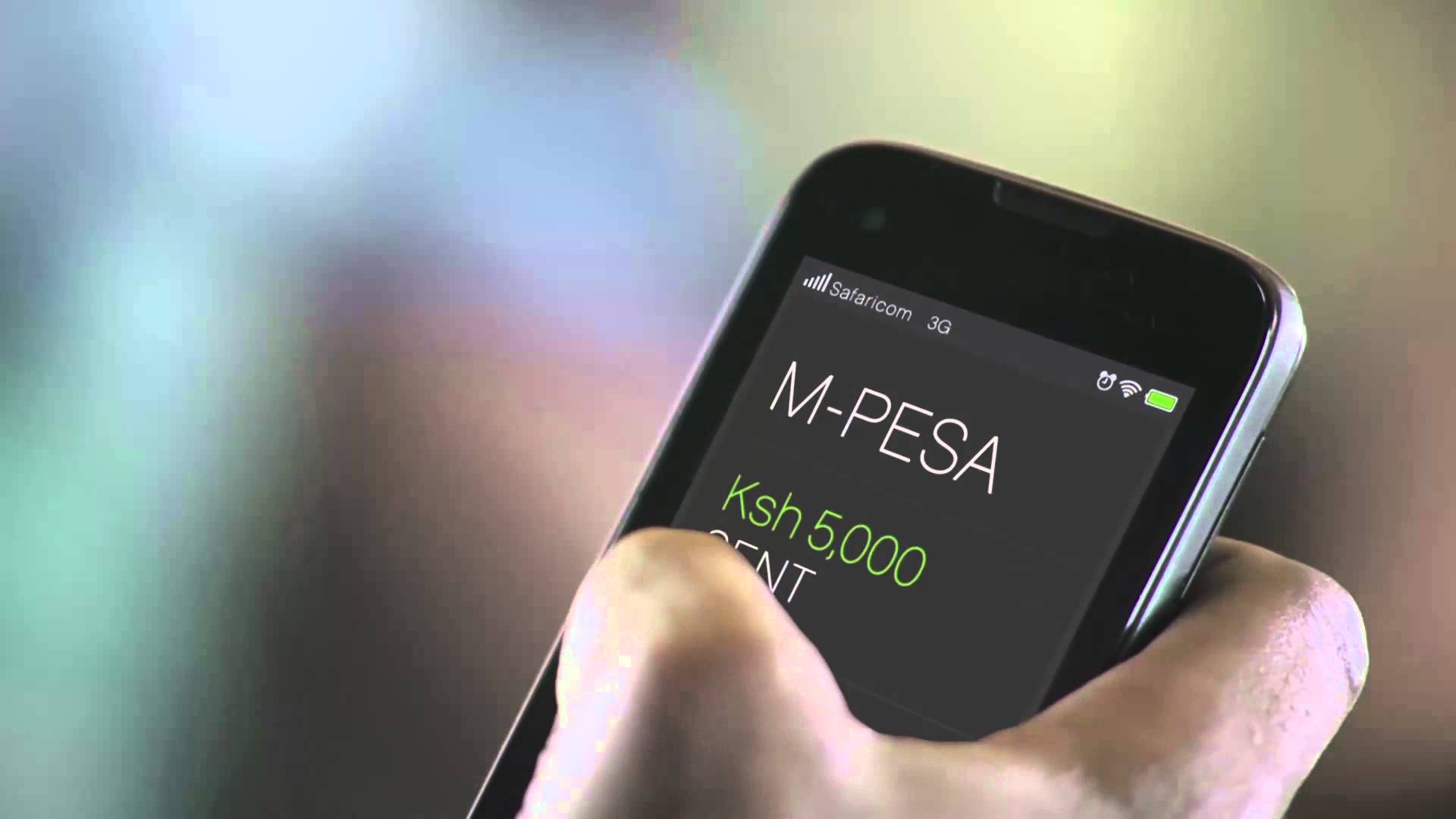
Starting next month, buying shares on the Nairobi Securities Exchange (NSE) will work the same way you pay for electricity or send money to a friend – straight from your M-Pesa wallet.
The platform, called Ziidi Trader, is wrapping up its pilot phase, and will change how Kenyans access the stock market.
For decades, investing in shares meant finding a stockbroker, filling out know-your-customer forms, opening a trading account, and wading through a process that felt designed to keep regular people out. Ziidi Trader eliminates most of that friction.
How It Works
Investors trade through an omnibus account structure, which pools multiple investors’ funds into single accounts managed by licensed brokers operating in the background.
You browse listed companies, place buy or sell orders, and settle transactions instantly through M-Pesa. The money comes out of your wallet when you buy and goes back in when you sell. No separate brokerage account is required at the entry stage.
NSE Chief Executive Frank Mwiti is betting this approach will finally crack open retail investor participation, which has been stubbornly flat despite strong market performance.
Between 2023 and 2025, the number of active investors at the NSE grew by just 0.2%, adding only 2,621 traders to reach 1.3 million total. That’s down from over 2 million in September 2022.
The NSE briefly crossed the KES 3 trillion valuation mark in November 2024 for the first time, but the rally hasn’t translated into new investors joining the market.
What most people might not know is that this strategy isn’t entirely new. Kenya pioneered mobile bond trading back in 2017, allowing investors to buy and sell bonds via mobile phones in what was then a world first.
The Central Bank of Kenya‘s DhowCSD platform now lets people pay for treasury bills and bonds through M-Pesa for transactions up to KES 250,000.
More recently, Safaricom and the NSE launched the Ziidi Money Market Fund in December 2024. By September this year, that fund had pulled in 1.15 million customers (nearly half of Kenya’s entire unit trust investor base) with KES 12.6 billion in assets.
People could invest as little as KES 100 with free deposits and withdrawals directly from M-Pesa. That success is the template Ziidi Trader hopes to replicate.
This development comes at an especially important time. Despite strong returns that beat bonds, real estate, and bank deposits, most Kenyans have stayed away from stocks.
Analysts point to two main reasons: lack of knowledge about how the market works and lingering trauma from years of bearish performance.
The NSE’s five-year strategy targets 9 million active retail investors by 2029, including diaspora Kenyans. With 37.91 million one-month active M-Pesa users as of September 2025, the infrastructure to reach that goal is already in place.
This initiative hasn’t been without controversy, though. Earlier this year, stockbrokers accused the NSE of trying to cut them out of the business entirely, leading to a fallout that included calls to remove Mwiti in June.
The omnibus account structure addresses some of those concerns by keeping licensed intermediaries involved, just operating behind the scenes rather than as gatekeepers.
For Safaricom, Ziidi Trader opens another revenue stream beyond person-to-person transfers. The company earned KES 100 million from the Ziidi MMF, about 0.6% of the fund’s asset base.
Financial services already represent 5.2% of M-Pesa’s revenues – KES 4.6 billion in the six months ending September 2025, up 13.9% year-on-year. Once the pilot concludes and any issues are addressed, the platform will open to other brokers beyond the initial setup.
If the adoption mirrors what happened with Ziidi MMF, Kenya could establish itself as a regional leader in mobile-enabled securities trading and fundamentally change who participates in the stock market.