




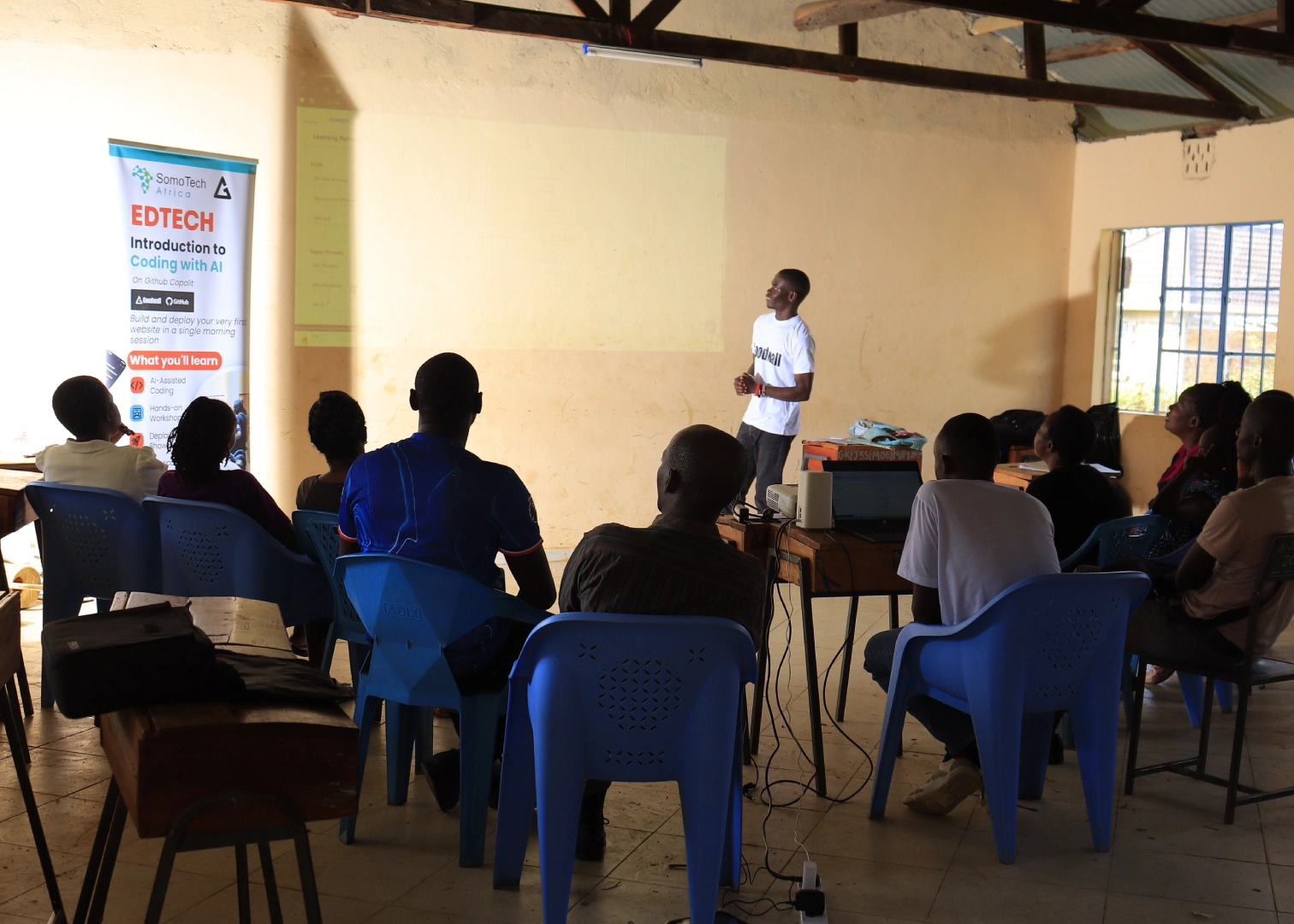
In rural Kenyan classrooms, some children are expected to learn computer science without ever having touched a computer.
At 24, teacher and SomoTech Africa founder Chrisphine Okoth Ogallo is using the skills he gained through Goodwall and the tools, learning and support provided through the NextGen AI Alliance to help close the gap between those students and an increasingly AI-powered world.
Chrisphine Okoth Ogallo was once sent into a classroom to teach children about computer keyboards. There was only one problem: the school did not have a computer.
“How do you tell a learner about a keyboard without having a physical one?” he recalls. “Not even one.”
Okoth was volunteering in schools in rural Kenya, helping to ease the pressure created by high student-to-teacher ratios. Although he had trained as a mathematics and geography teacher, he found himself responsible for computer science classes too, sometimes across an entire school.
At one school, he says, more than 1,000 learners shared two laptops. At another, there were none. When necessary, Okoth would return home, collect a laptop he had received from a friend and bring it into school so that an entire class could gather around it.
Kenya’s evolving curriculum expects children across the country to develop digital skills and sit the same national examinations, whether they attend a well-resourced school in Nairobi or a rural school with weak connectivity and little equipment. But, Okoth observed, the conditions in which they are expected to learn can be radically different.
“It’s really unfair for these learners who have not been able to touch devices,” he says. “How can someone participate in the AI future when they have barely had the opportunity to interact with a computer?”
It is a question that sits at the centre of SomoTech Africa, the education initiative he founded to help teachers and learners gain practical access to digital tools. Its name combines somo, a Swahili word associated with reading and learning, with technology.
An Idea Born In The Classroom
Okoth graduated in 2025 with a Bachelor’s Degree in Education and is qualified to teach Mathematics and Geography in Kenyan secondary schools. But the origins of SomoTech Africa can be traced to the computer science lessons he was asked to deliver while volunteering.
The country’s curriculum had changed, he explained, but many teachers had not been given sufficient time, training or equipment to change with it.
Experienced educators were suddenly expected to teach unfamiliar subjects such as coding, often in schools where devices and reliable internet connections remained scarce.
Okoth initially responded in the way he knew best: by teaching the teachers.
He began offering online training in Scratch, a visual programming language designed to introduce young learners to coding. Building trust was difficult. Teachers wanted to know who he was and why they should listen to him.
“I had to tell them that we are from the same background,” he says. “I’m a teacher, and I noticed these problems.”
But online training could only go so far. Connectivity remained uneven, and Okoth understood that his own reach would always be limited if he remained responsible for one classroom or one school.
“What about the learners in other schools?” he remembers asking himself. “What about those rural communities?”
That question led to Somiqo, the digital education platform at the centre of SomoTech Africa’s work.
He began creating a simple gateway through which educators could find and use existing learning resources, while also exploring tools to help schools manage functions such as attendance and student reports.
In flood-prone areas, he says, even paper records can be vulnerable. When a school floods, attendance books and reports may disappear with the water. Digital records, securely stored and accessible later, could give schools a more resilient alternative.
Learning To Build
Okoth had first joined Goodwall in 2022, when the youth platform largely centred on challenges and competitions. In 2025, he encountered its AI and coding courses through the AI To Opportunity programme, the global learning and engagement engine of the NextGen AI Alliance, supported by organizations including HP, Microsoft, Cognizant, and GitHub.
The NextGen AI Alliance brings together organizations from across the public and private sectors to identify priority skills for the AI era, co-create learning experiences and expand access across the world.
Delivered through Goodwall and developed in collaboration with Alliance partners, the AI to Opportunity Program uses courses, challenges and incentives to connect learners to deeper partner-led learning, opportunities and career pathways.
Okoth began experimenting with GitHub and its AI-powered Copilot tool. With additional guidance from friends in technology, he started learning how to build Somiqo himself.
AI helped him understand unfamiliar coding concepts, troubleshoot problems and begin turning a teacher’s idea into a working technology product.
Rather than waiting until he could afford a developer, or returning to university for another degree, Okoth could begin working on the problem immediately.
He is now trying to reproduce that experience for others.
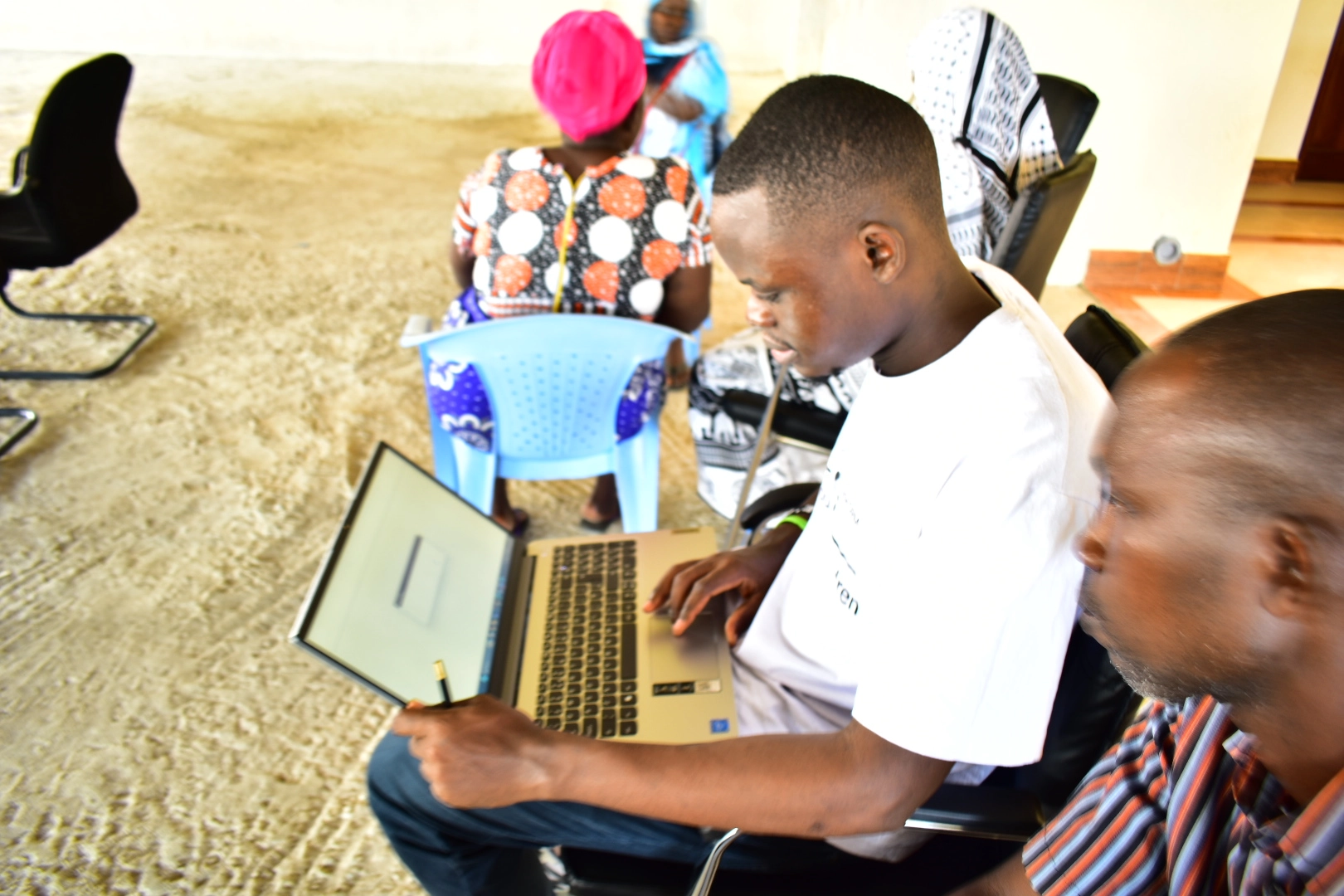
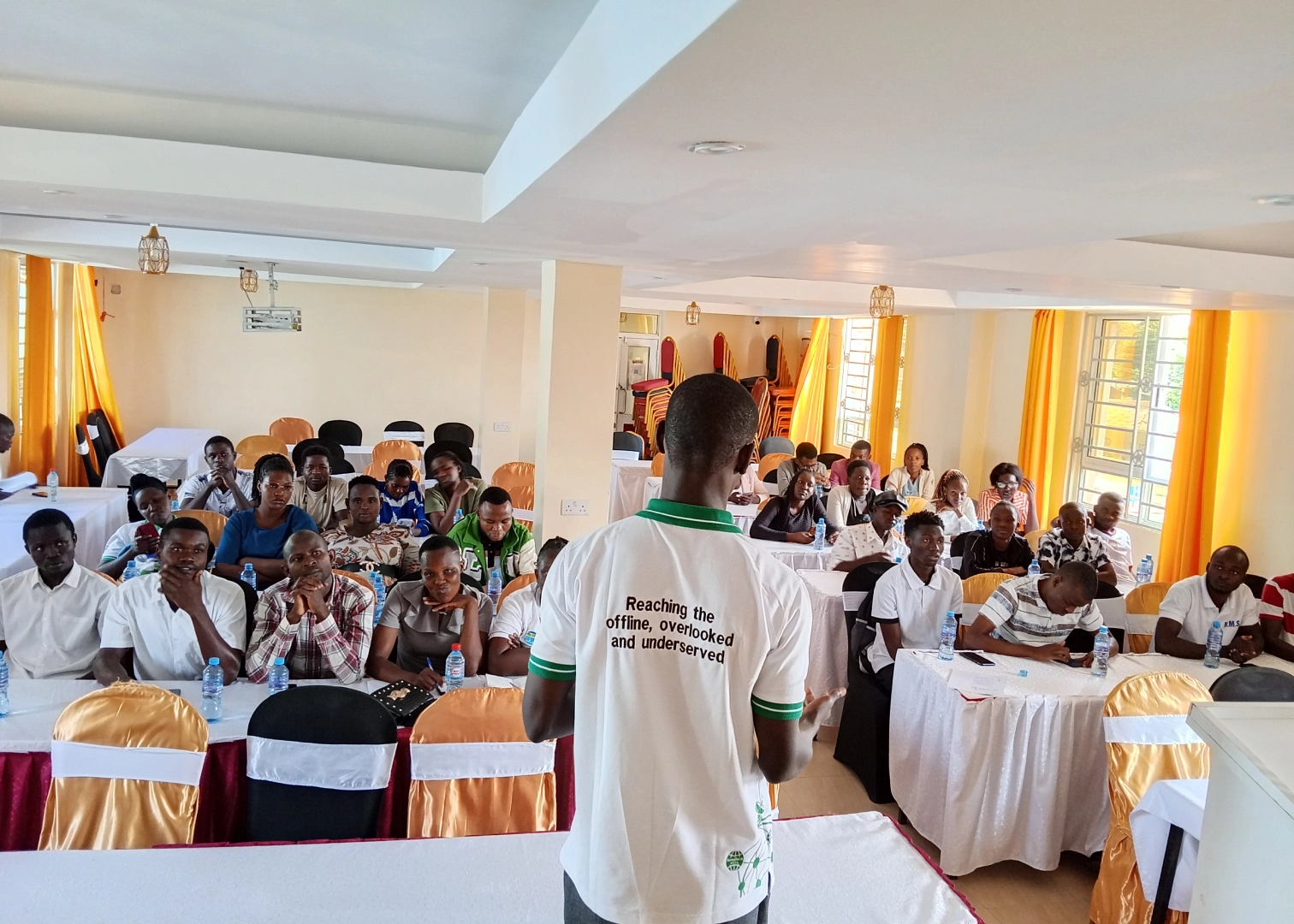
Through SomoTech Africa’s work with Goodwall, Okoth visits universities, colleges and other institutions to train young people to code with AI and GitHub.
Participants are introduced to Goodwall, where they can document their progress, share milestones and connect their learning with further opportunities.
Okoth points to one standout example of the programme’s impact: he had been invited to provide digital-literacy training to a chama, a community group through which women pool money and support one another.
During the session, the conversation turned to gender-based violence. Some of the women, Okoth says, did not feel safe reporting abuse to the police or to local authority figures. They feared that information might reach their husbands, exposing them to further violence.
Rather than only discussing the problem, the group began building.
Using GitHub Copilot, the young women created a prototype website through which someone could report an incident anonymously and upload photographs. Okoth says the longer-term concept was to connect reports with appropriate investigative and safeguarding organizations.
For him, the breakthrough lay in the act of creation itself. Women who had been given few educational or economic opportunities were going further than simply learning to use an existing solution. They were learning that they could help build one.
“They got to build a website,” he says. “It was a breakthrough for them.”
“Building often begins with recognizing a problem that matters and having the confidence and tools to start exploring a solution,” adds Sid Espinosa, Head of Social Impact, GitHub.
“Chrisphine’s work demonstrates how practical development experience, collaborative technology and a supportive learning community can help young people turn local knowledge into solutions with much wider potential.”
Turning Hardware Into Opportunity
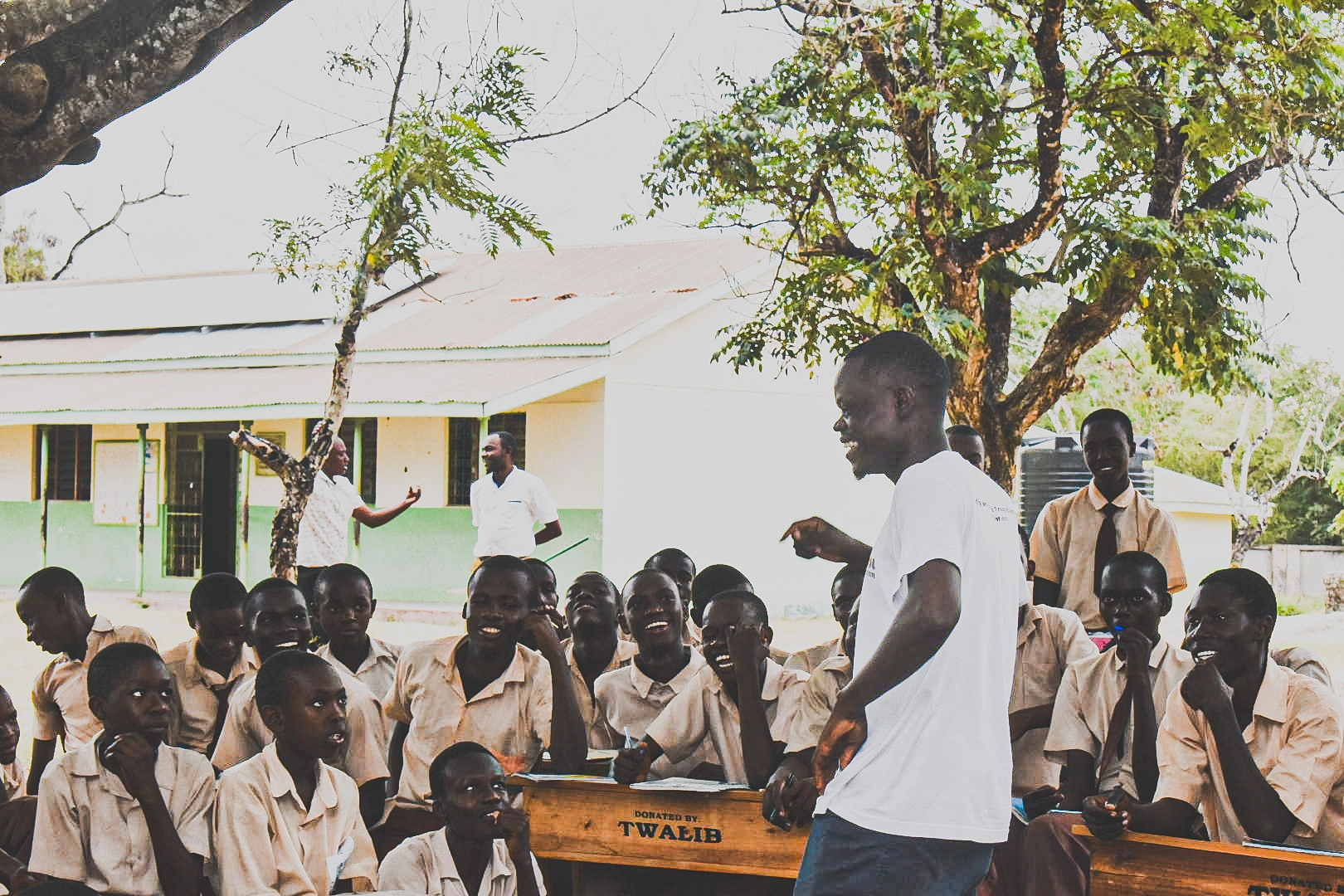
Through HP’s support for the programme, Okoth has received three laptops and funding for a projector. He uses the equipment when facilitating training sessions, particularly to provide demonstrations and visual instruction.
For HP, providing access to devices is part of a wider effort to equip young people with the skills to understand emerging technologies and use them to create opportunities for themselves and their communities.
“As the future of work evolves, access to technology and critical skills will define who can participate and thrive,” says Michele Malejki, Global Head of Social Impact at HP Inc. and Executive Director of the HP Foundation.
“Chrisphine’s story shows what can become possible when young people have both the skills and the tools to turn learning into action. Through our collaboration with Goodwall, HP is committed to helping disconnected communities access economic opportunity and play an active role in shaping the future.”
Before visiting an institution, SomoTech Africa assesses the devices already available and asks whether additional support is needed. A typical session may include around 60 participants.
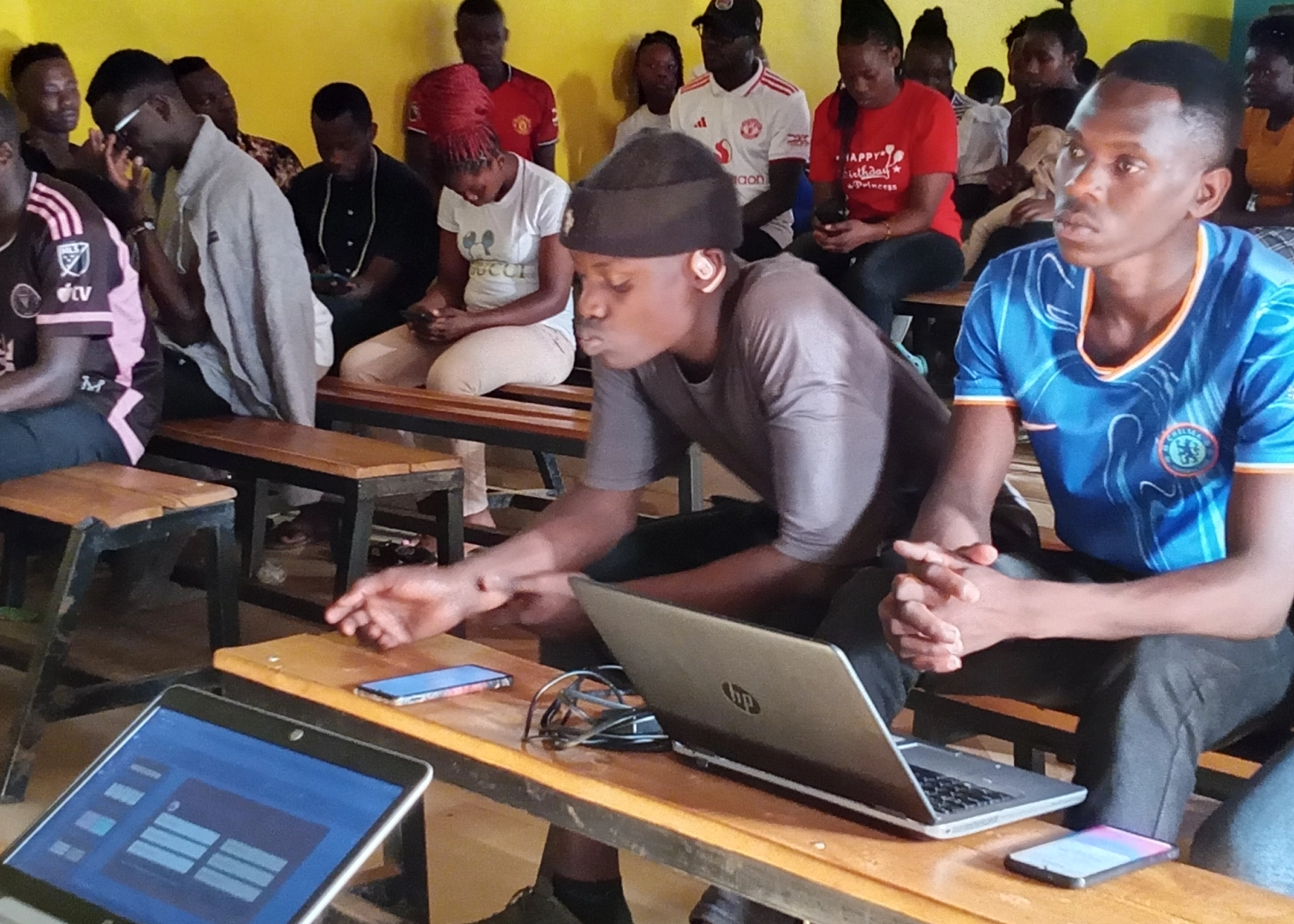
Some activities, including signing up for Goodwall or GitHub, can be completed on a smartphone. But coding and building are easier when learners have sustained access to a computer.
Not everyone learns at the same speed, Okoth explains. Participants need time after a demonstration to experiment, make mistakes and solve problems for themselves. That becomes difficult when several people are waiting to share the same device.
Okoth hopes eventually to establish a permanent physical hub: a place with devices, reliable infrastructure and room for learners to practice rather than simply watch.
For now, SomoTech Africa’s model remains mobile, dependent on the equipment its team can carry and the resources available at each host institution.
Okoth’s work spans a wide age range, from children of about 8 to young adults of 35. He also teaches coding and robotics and is interested in how AI might eventually serve older people and users who communicate primarily in local languages.
The popular description of young people as ‘digital natives,’ he says, masks profound differences in access.
Based on his own informal observations in the areas where he works, Okoth estimates that prior access to smartphones or computers among some groups of rural learners can be extremely low.
“It depends on the location,” he says. “Those in Nairobi are really good. But when you go back to the rural areas, they cannot even interact with the interface of an Android phone.”
Children of the same age can therefore arrive at school with entirely different levels of confidence and experience, then be judged against the same curriculum. To Okoth, equality means ensuring they have had a fair chance to acquire the knowledge and experience the examination assumes.
Okoth is 24. He graduated only last year. He is still raising money from friends, searching for further grants and trying to prove that SomoTech Africa’s first programmes can work at a larger scale.
“Even if we create impact, however small it is, those people are going to go on to create more impact,” he says.
Ahead of International Youth Day on August 12, that ripple effect may be the most important part of Okoth’s story. The future of AI is dependent on who is given the confidence, equipment and opportunity to use it – and how they are empowered to pass those teachings on.
Justin Spelhaug, President of Microsoft Elevate, added: “AI has the potential to unlock opportunity at scale, but its true power lies in the people who bring it to life.
Teachers like Chrisphine show us that when educators believe in their students’ creativity and potential, technology becomes a tool for transformation. By supporting teachers and their communities, we can help young people turn learning into opportunity.”
“Through our work with Goodwall and the NextGen AI Alliance, we are working together to ensure that access to the AI-powered economy isn’t determined by geography or circumstance,” says Anita O’Connor, Social Impact Lead (UK & Ireland) at Cognizant.
“Chrisphine’s story is a remarkable example of what’s possible when organizations come together around a shared purpose: it shows how the right access to skills, tools and support can turn a teacher’s determination into opportunity with a positive ripple effect across an entire community.”
In a rural classroom, that future may begin with something as basic as a keyboard that a child can finally touch.