





A new survey by TIFA Research has found that most ride-hailing users in Nairobi oppose the government’s proposed minimum fare policy for platforms like Uber, Bolt, Little Cab, and Faras, even though the plan is designed to boost driver earnings.
The poll lands awkwardly for policymakers, since it suggests the intervention could backfire by pushing riders away from the very platforms it aims to protect.
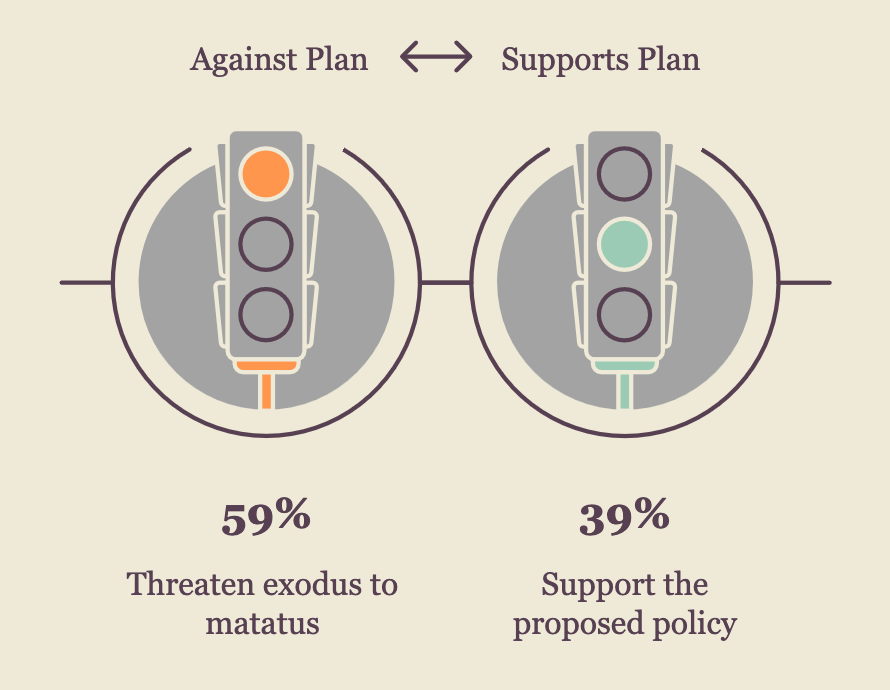
According to the survey, nearly 6 in 10 riders (59%) said they were against the proposed minimum fare policy, compared with 39% who supported it. The finding comes from a TIFA survey of 733 adults in Nairobi County conducted between July 17 and 21, 2026.
Riders are not disputing that drivers deserve better pay; instead, they are worried about who ends up footing the bill.
Two concerns tied for the top spot among opponents at 36% each: a belief that fares should be set by market competition rather than government mandate and fear that the policy will make rides more expensive.
Only 16% of supporters cited driver welfare as their main reason for backing the change, while 12% pointed to the need for government regulation.
The government’s proposal would raise the current minimum ride-hailing fare, pegged between KES 180 and KES 220, to a higher amount.
TIFA gave respondents that explanation before asking for their views, so the numbers reflect informed opinion rather than a vague reaction to the idea of higher fares.
The Numbers on the Table
TIFA’s fieldwork ran before the government put specific figures forward, so respondents were told only that the floor would rise “to a higher amount to improve drivers’ earnings,” with no shilling figure attached at the time.
That has since changed.
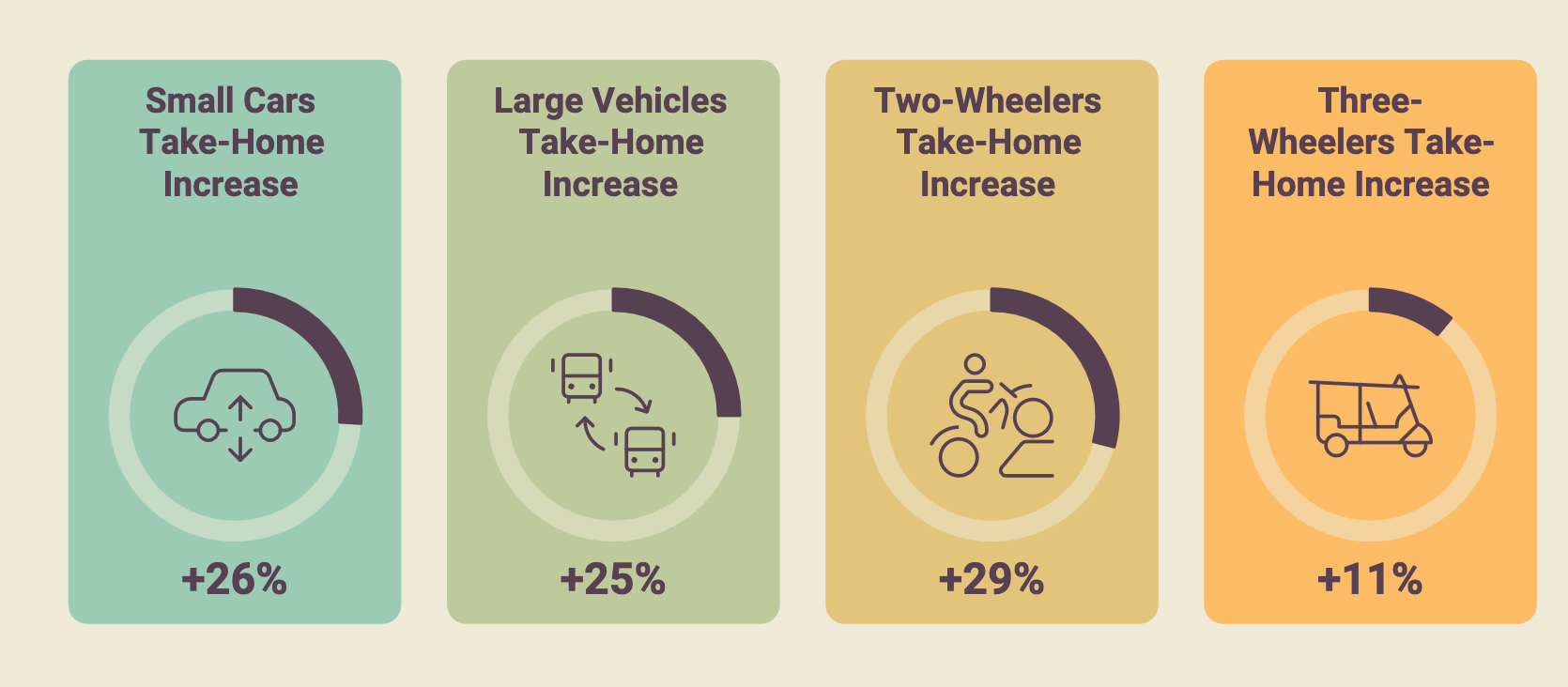
Following a transport sector meeting on August 4, 2026, the Ministry of Transport put transitional minimum driver take-home figures on the table as follows:
| Vehicle Category | Current Minimum | Proposed Minimum |
| Small cars (5 seats or fewer) | ~KES 174 | KES 219 |
| Large vehicles / XL | ~KES 400* | KES 272 |
| Two-wheelers (boda bodas) | KES 70 | KES 90.3 |
| Three-wheelers | KES 90 | KES 100 |
A two-day sector workshop on August 18 and 19 was expected to precede a final position going to the President, meaning the numbers above could still shift before any regulation takes effect.
It is worth noting that those figures are proposed minimum driver take-home amounts, not the fare a passenger will pay.
A KES 219 floor for a small car does not mean a ride costs KES 219; the final passenger fare still has to account for platform commission, tax, distance, time, and dynamic pricing.
Industry sources cited in earlier coverage had speculated the passenger-facing minimum could land between KES 400 and KES 500, more than double the current base fare of roughly KES 220, though the government has been careful to frame the August figures as transitional and still open to consultation.
READ: Survey Finds 94% of Kenyans View Ride-Hailing as Safer Than Other Transport
Awareness of the plan remains thin regardless. Only 27% of those surveyed had heard about the policy before the interview, meaning most riders formed an opinion on the spot once it was pointed out to them, and that explanation predates the August driver take-home figures becoming public.
What Riders Say They Will Do
The bigger concern for ride-hailing platforms is what happens after a fare increase. The survey suggests that higher prices could prompt a broad rethink of how Nairobians move around the city, with matatus positioned to pick up much of the displaced demand.
Even among those who stay with ride-hailing, some expect to cut back or seek cheaper options.
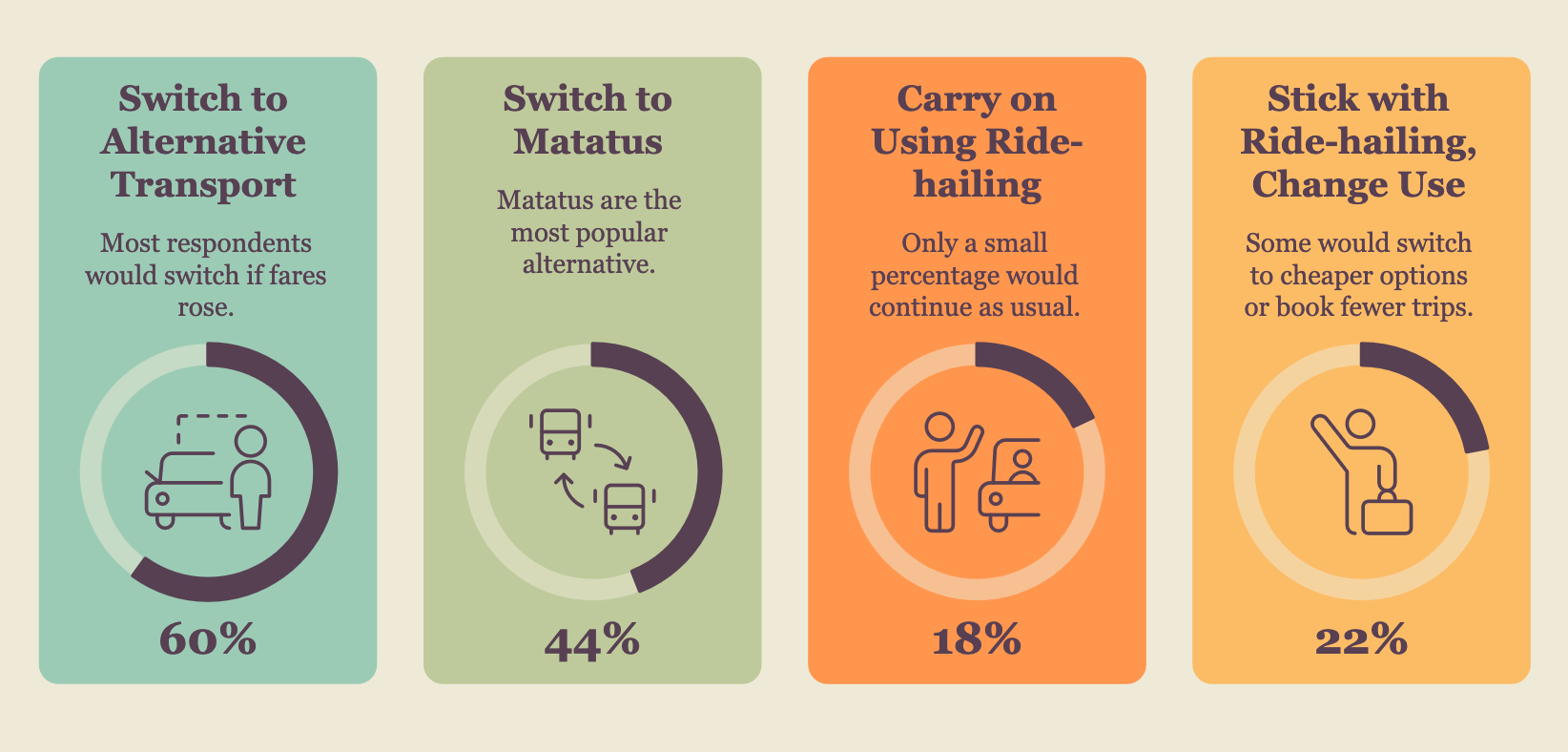
If a large share of Nairobi’s ride-hailing users genuinely follow through on that intention, the policy risks shrinking demand for rides at the same time drivers are guaranteed more per trip.
That combination could leave drivers earning more per ride but completing fewer of them, the opposite of what the minimum fare framework is meant to achieve.