





Kenya’s digital publishing and content-marketing scene has grown fast alongside the same fiber and mobile-data expansion driving the rest of the region’s internet economy. More independent publishers, more brand-run blogs, more SEO-driven content all competing for the same limited search traffic — and, inevitably, a growing share of that content starting life as an AI-assisted first draft, because writing at the pace the market now demands without some AI assistance is barely realistic for most small, lean teams. An Ahrefs study covering roughly 900,000 web pages found that 74% of newly published pages globally now contain AI-generated content, a trend that isn’t unique to any one region or language market.
The same study found something worth paying closer attention to than the headline number: only 14% of pages that actually rank on page one of Google are purely AI-written. For a publisher or brand competing for search visibility in a crowded, fast-growing market, that gap between “used AI” and “reads as AI” is a real business problem, not an abstract one — content that reads as generic doesn’t just risk ranking worse, it risks losing a reader’s trust in markets where word-of-mouth and repeat readership still matter enormously to a growing site’s traffic.
The specific cost of “sounds AI-written” for a growing publisher
A brand blog, a news site, or a content-marketing operation scaling output to compete for search traffic is making a bet that more content, published faster, wins more readers and better rankings. That bet only pays off if the content itself is still worth reading. A product review or explainer that reads as templated — because it was drafted quickly with AI assistance and published with a light edit — competes at a real disadvantage against a competitor’s piece that reads like it was actually written by someone who knows the subject, even if both pieces cover the same topic in the same amount of time.
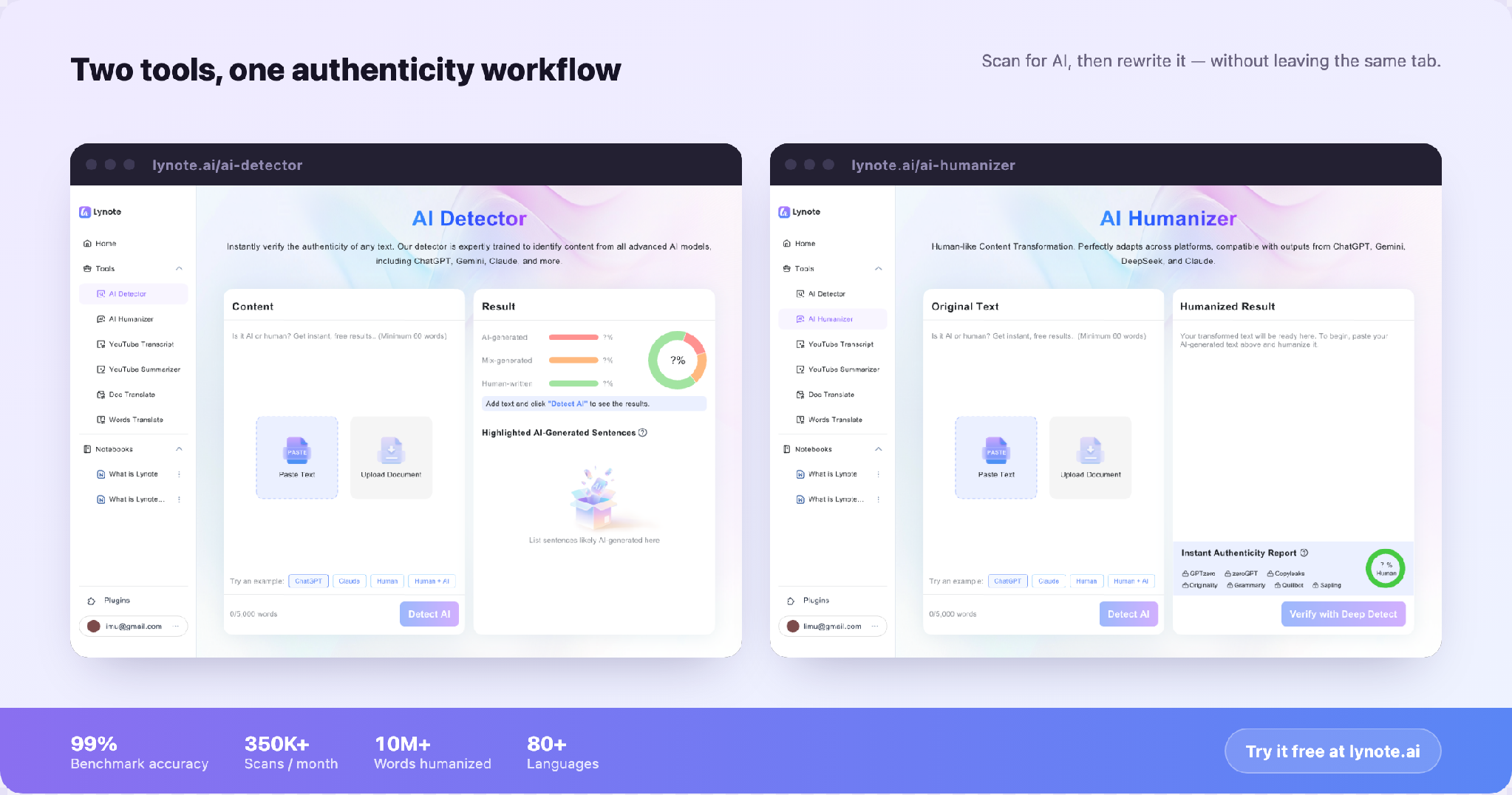
Catching that problem before publishing, rather than after a reader or a search engine flags it, is where an AI detector earns its place in a content operation’s day-to-day workflow rather than being an occasional afterthought. Lynote’s ai text detector at lynote.ai/ai-detector analyzes rhythm, repetition, lexical variance, and predictability sentence by sentence rather than returning a single score for an entire article, flagging exactly which paragraphs read as AI-written, AI-edited, or mixed. For a small editorial or marketing team without the headcount to manually deep-edit every piece before it publishes, that sentence-level flag turns a vague “something feels off about this draft” into a specific, fixable to-do list rather than a full rewrite nobody has time for.
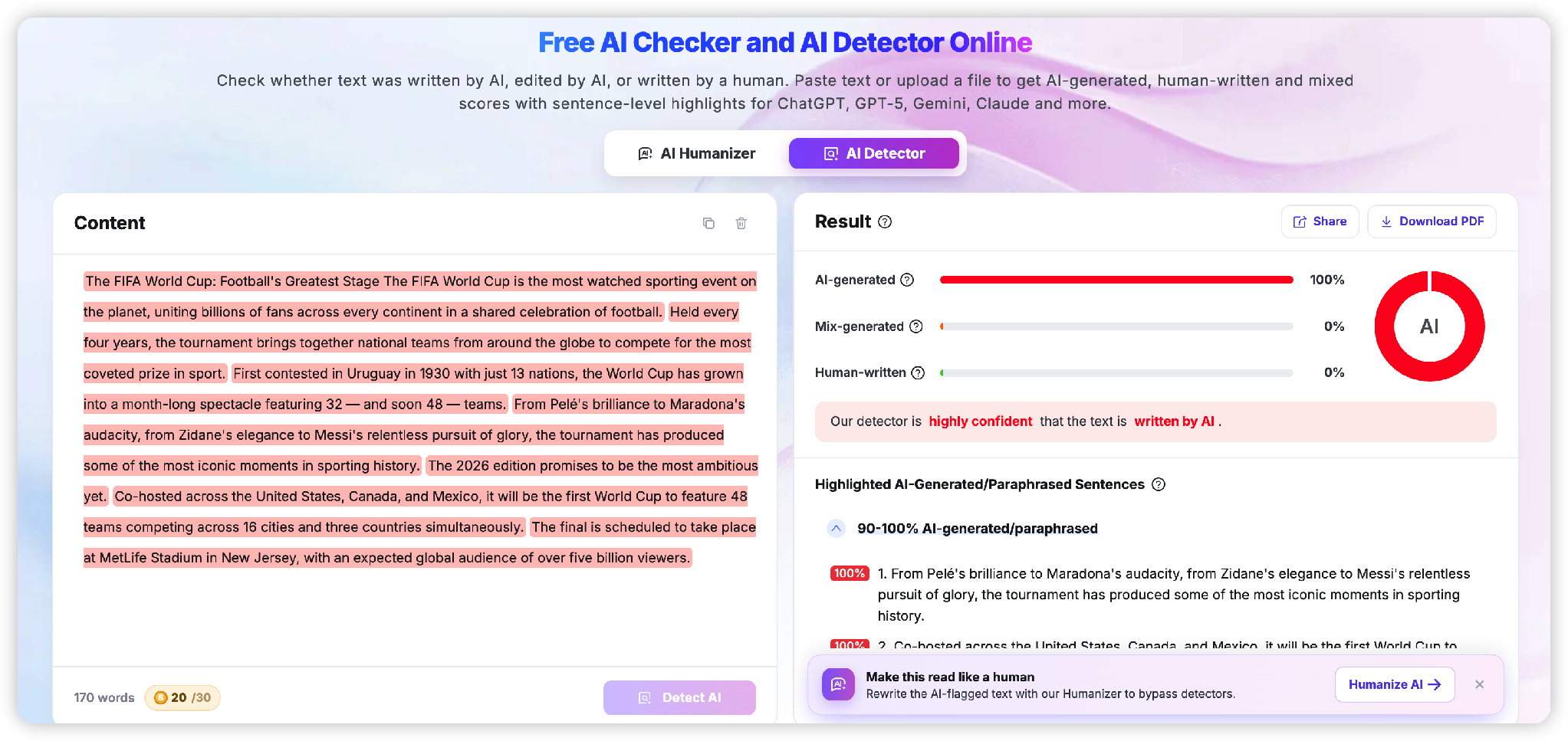
It also supports more than 50 languages, which matters directly for any publisher or brand producing content across English and Swahili, or planning to expand into either — a single-language tool quietly becomes a blind spot the moment content strategy goes multilingual, which for a growing regional publisher tends to happen sooner than the content workflow is usually built to handle.
Fixing what’s flagged without starting over
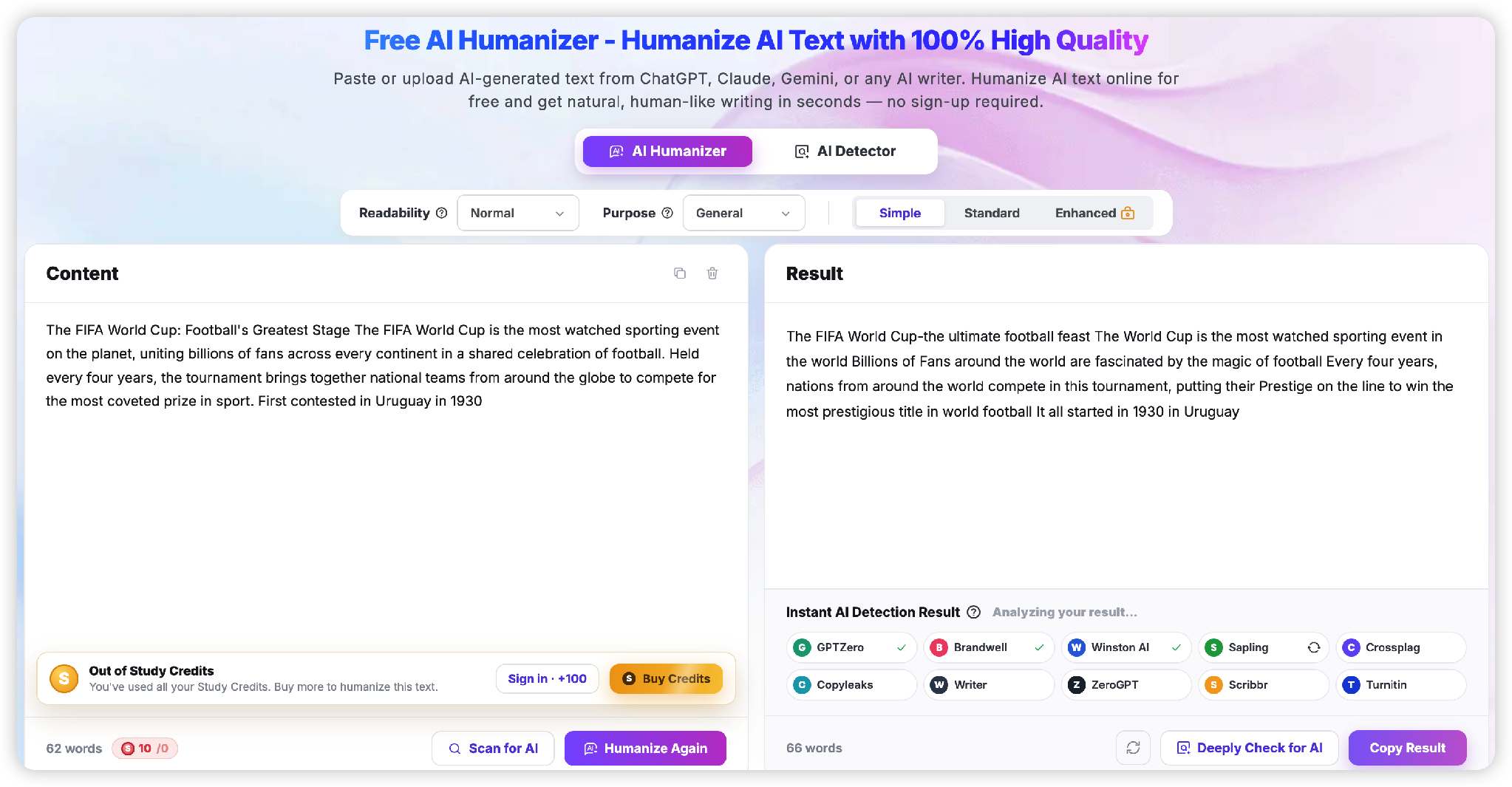
Once a detector flags the specific paragraphs that read as generic, rewriting an entire piece from scratch is overkill for a team publishing on any kind of regular schedule. This is the job a humanizing tool does well — rewriting flagged sentences at the structural level, targeting the flat rhythm and predictable phrasing that make AI text read as generic, rather than a shallow word-swap that fixes nothing a reader or search engine would actually notice.
Anyone comparing options for this specific job should look at what best ai humanizer tools actually preserve, not just how convincingly they rewrite. Lynote’s version at lynote.ai/ai-humanizer offers three levels — light, standard, and an enhanced pass built for stricter scanners — while keeping the original meaning and target SEO keywords intact, which matters enormously for content whose entire purpose is ranking for a specific search term. The output is built to pass plagiarism checks rather than read as duplicated content, and its 80-plus language support covers the same multilingual gap the detector side needs to cover.
The fraud angle most content teams don’t connect to their own writing
There’s a related reason to take this seriously beyond SEO and reader trust. KnowBe4’s 2025 Phishing Threat Report found that 82.6% of phishing emails now contain AI-generated elements, and a Bugcrowd survey of security researchers found 82% of hackers now use AI in their workflow, up from 64% in 2023 — both signs that the same generic AI phrasing publishers are trying to avoid in their own content is simultaneously flooding inboxes and comment sections as scam and phishing attempts, often impersonating brands or news outlets directly. A publisher or business whose own legitimate content reads as generic and AI-flavored has a harder time visually distinguishing itself from that noise in a reader’s inbox or social feed — one more reason “sounds obviously human and specific” is worth more than it used to be, beyond just ranking well.
Building this into a lean content operation
The realistic version of this for a growing publisher or brand team isn’t a separate QA department — it’s one extra step folded into the existing publishing checklist: draft with AI assistance as usual, run it through a detector before scheduling, and send only the flagged sections through a humanizing pass. For a lean team competing against both larger, better-resourced competitors and a general flood of AI content across the wider web, that two-minute check is a small cost against the much larger cost of publishing content at scale that quietly fails to build the readership and search trust the whole strategy depends on — and in a market growing this fast, the publishers who get the basics of trust right early tend to keep the audience they build for longer than the ones chasing volume alone. As publishers produce more content with AI assistance, keeping that content useful, specific, and readable will matter just as much as publishing it quickly. For more practical insights into AI, digital publishing, and the tools shaping online content, visit Kemotech.