



Forex trading in Kenya has continued to be popular, with statistics revealing that in 2020, the online forex trading market grew by roughly 80%. However, whatever makes the difference between a successful trader and someone else is the broker you choose to work with.
There are hundreds of forex brokers that operate in the market, making it hard (sometimes) to figure out which would work best for you. However, you should always keep in mind what kind of support you need from the broker, the type of products you want to trade, and your level of experience. If you fumble on one of these, then you might end up in a dire position that you’d never thought about before.
If you want to pursue forex trading in Kenya, this article will highlight a couple of things that you should look at before you settle for a broker. You don’t want to find yourself in a mess!
Check for the licensing
According to the Capital Markets Authority (CMA), there were 9 regulated forex brokers in the country at the beginning of 2023. However, you should also note that there are many unregulated sites that authorities advise against. The CMA has issued public warnings against such platforms since they are hazardous to traders.
Since trading is legal in Kenya and international brokers are allowed, you should be able to verify that the broker has legitimate credentials from reputable regulators. These may include the FCA, ASIC or CySEC. As a trader, ensure that you have verified their regulatory status on the CMA website to ensure that they are compliant with financial regulations.
If your preferred broker is licensed by the CMA, it most likely means that it upholds Anti-Money Laundering (AML) requirements. A good example of the requirements is maintaining billing records for all forex transactions over $10,000. Also, these brokers must hold a minimum operating balance of KSh 50,000 as part of their capital requirements.
Also, if a broker does not have a license, that means that there is an increased risk of fraudulent activities, which puts the trader at greater risk. Also, the broker might merge your finances with their own assets or business interests, putting your money at risk of being lost.
Supported payment methods
Different brokerage services have different policies on how you can fund your account. They might accept deposits through credit/debit cards, checks, wire transfers or electronic payment systems.
In Kenya, the mobile money transfer, M-PESA and Airtel Money, have taken over the economy, and if a broker does not have the option of using M-PESA, then you might find yourself at some bit of disadvantage. Additionally, PayPal has become common in the country with Oberlo revealing that Kenya is in the top five countries around the world with the highest website traffic to PayPal.
You should also note that brokers might charge fees for both deposits and withdrawals. Because of this, you need to first compare the requirements from different brokers as they affect your initial investment and the ease of accessing your funds. When you want to start with commodity trading online, the charges incurred will really matter.
Confirm the trading platforms
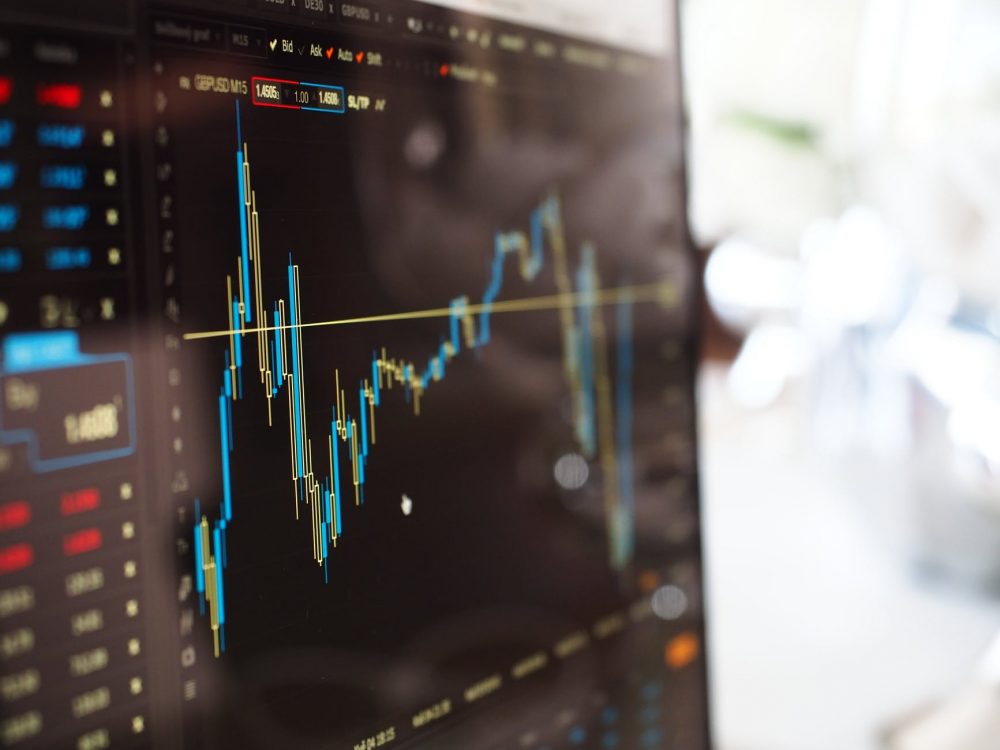
Before you can sign up with any broker, you need to understand the kind of platform they use for trading. Basically, the platform is the gateway to the market, and thus, the broker should offer a platform with features you need for both fundamental and technical analysis.
Factors you can consider include:
- Customisation options
- Strategy builder
- Trade alerts
- Technical analysis tools
- Algorithmic trading capabilities
- Order types
Of course, the platform you use depends on your level of skill. For instance, beginners prefer easy-to-use platforms with straightforward navigation, while advanced traders mostly go for platforms with advanced technical analysis tools. Depending on your level, you can choose your broker based on the platform they use.
Most forex brokers offer platforms like MetaTrader 4 (MT4) and MetaTrader 5 (MT5). Both have different features that are instrumental for different traders.
The reputation and track record
The easiest way to know whether a broker is worth your time is looking at its reputation. With the high number of malicious players in the technological world, it is vital to first get to know the history of the specific broker you want to work with.
To start with, you can read through user reviews to get proper insight into the real experience of other traders. Trading forums like Forex Factory, Baby Pips, Trade2Win, Forex Peace Army, etc., offer live discussions where traders share their experiences and build communities. Through the communities, you are able to find the best brokers that perfectly suit your needs.
Also, you can check the broker’s tenure and their awards and accolades. It almost speaks for itself when you say that a broker with many years of industry experience and many awards might stand strong as a good quality provider. Even though it is not a guarantee, it is not by chance that you can operate for so long and have many awards and not be a good service provider.
Forex trading can be quite fun and technical at the same time. However, the broker you choose to work with might make your experience better or worse. Therefore, it is vital that you do proper research before you settle on a particular broker to serve your needs.