





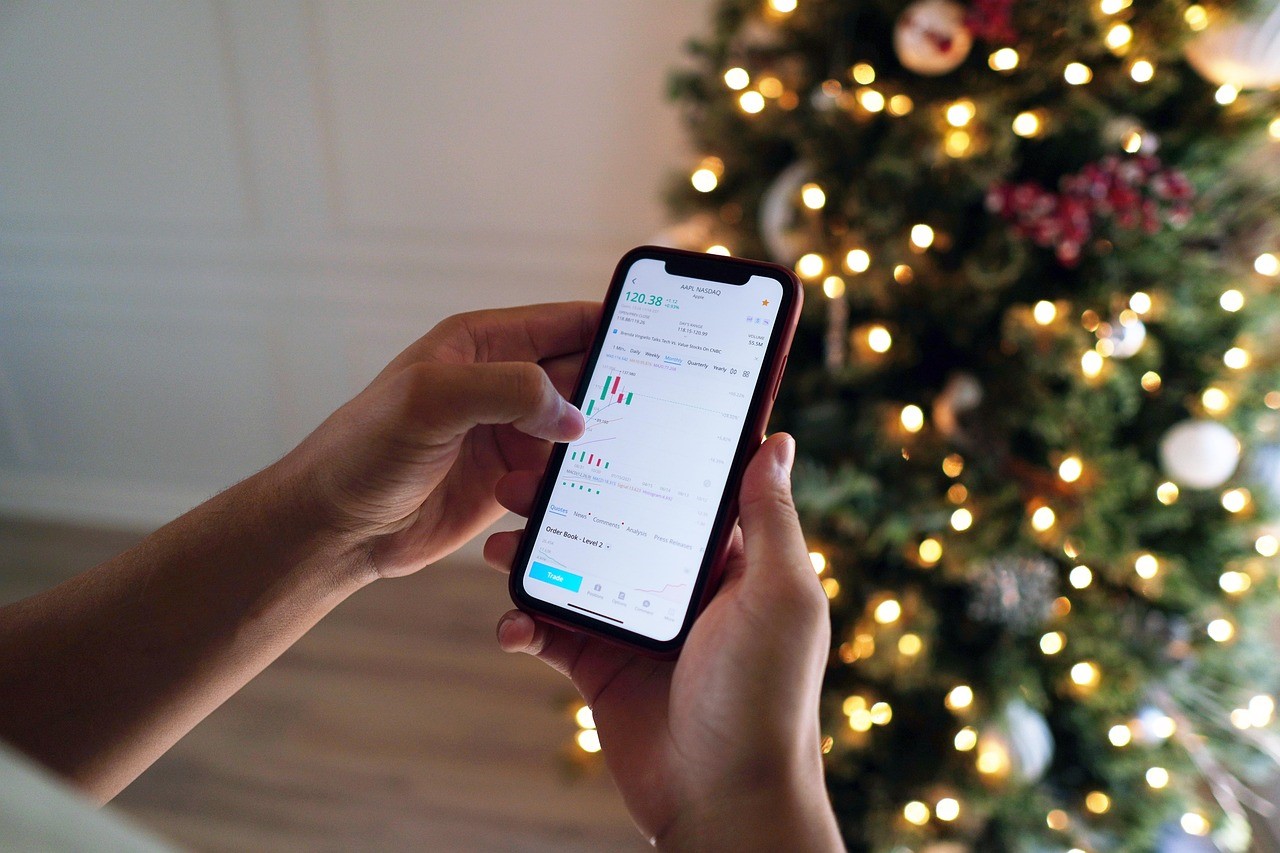
Kenya’s trading community has grown rapidly in the past few years, supported by the widespread use of mobile technology. More traders are choosing to operate directly from their smartphones, making convenience and accessibility a top priority. In response, app developers and brokers are introducing smarter features that cater specifically to the needs of the local market.
Many traders now look for a forex trading app that not only delivers fast execution and real-time updates but also offers low data modes and offline access. These enhancements are proving essential for traders in areas with limited connectivity or those looking to manage their data usage effectively.
The Importance of Low Data Modes
Internet costs and network reliability can vary across Kenya, especially outside major urban centres. For traders who rely on mobile networks, heavy data consumption can be both expensive and impractical. Low data mode features help address this issue by reducing the amount of data an app uses while still providing the core functionality needed for trading.
These modes often compress chart data, limit automatic updates to essential information, and provide simpler layouts that load faster. This makes it possible for traders to monitor markets and place trades without worrying about draining their data bundles too quickly.
How Offline Access Benefits Traders
Offline access is another game-changing feature for Kenyan traders. While it is not possible to execute trades without an internet connection, offline functionality allows users to review saved charts, read downloaded market analysis, and plan strategies.
This means that even in areas with unstable connectivity, traders can continue preparing their positions. Once they are back online, they can execute trades based on the research and plans they made offline, saving valuable time during active market hours.
Why These Features Matter for the Kenyan Market
Kenya’s trading environment is unique. The country has a high level of mobile adoption, but connectivity quality can vary significantly between regions. For traders in rural areas or those who travel frequently, low data usage and offline capabilities can make the difference between staying active in the market or missing opportunities.
By offering these features, trading apps are becoming more inclusive, allowing a wider range of people to participate in the forex market regardless of their location or internet conditions.
Practical Uses of Low Data and Offline Features
Low data modes and offline access are more than just convenience options. They serve important roles in a trader’s workflow:
- Traveling Traders: Those who move between regions can maintain access to market information without excessive data use.
- Limited Data Plans: Traders on smaller data bundles can stretch their usage without compromising key features.
- Unstable Networks: Offline mode ensures that downtime is used productively for analysis and planning.
These benefits create a smoother trading experience and reduce the stress caused by connectivity concerns.
Combining Smarter Features With Mobile Risk Management
Features like low data mode and offline access work best when combined with strong mobile risk management practices. Traders can set stop-loss and take-profit orders before experiencing connectivity issues, ensuring that their positions are protected even if they cannot access the internet temporarily.
By preparing trades in advance and using the app’s tools efficiently, Kenyan traders can safeguard their strategies while also benefiting from the app’s resource-saving functions.
Broker Innovations to Support Kenyan Traders
Many brokers operating in Kenya are aware of the importance of these mobile-friendly features. They are designing apps that not only save data but also maintain high performance in low-bandwidth situations.
Some platforms are also introducing smart notifications that use minimal data while still delivering important updates. For example, price alerts or order execution confirmations can be sent as lightweight push notifications, allowing traders to stay informed without constantly refreshing their screens.
How Traders Can Make the Most of These Features
To get the full benefit of low data and offline modes, Kenyan traders should:
- Download essential market data, reports, or educational materials while connected to a stable network.
- Use offline time to analyse past trades and refine strategies.
- Keep app updates current to ensure the latest performance and security enhancements.
- Customise settings to limit data-heavy features, such as continuous chart streaming, to when they are needed most.
This proactive approach maximises the usefulness of these tools while keeping trading costs manageable.
The Future of Mobile Trading in Kenya
As the number of mobile traders in Kenya continues to grow, demand for smarter, more efficient apps will rise. Future updates may include AI-driven analysis that works offline, predictive market models, and even better data compression for live trading feeds.
These developments will further level the playing field for traders, giving them the tools they need to compete effectively in the global market without being held back by local infrastructure limitations.
Final Thoughts
The introduction of low data modes and offline access in trading apps is transforming the forex experience for Kenyan traders. These features make it easier to trade efficiently, even with limited data or inconsistent connectivity, while ensuring that essential information is always within reach.
By choosing a reliable forex trading app that offers these capabilities, traders in Kenya can stay engaged with the market, reduce operational costs, and make informed decisions no matter where they are. As technology continues to evolve, these innovations will play a key role in expanding access to forex trading across the country.