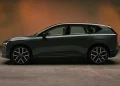





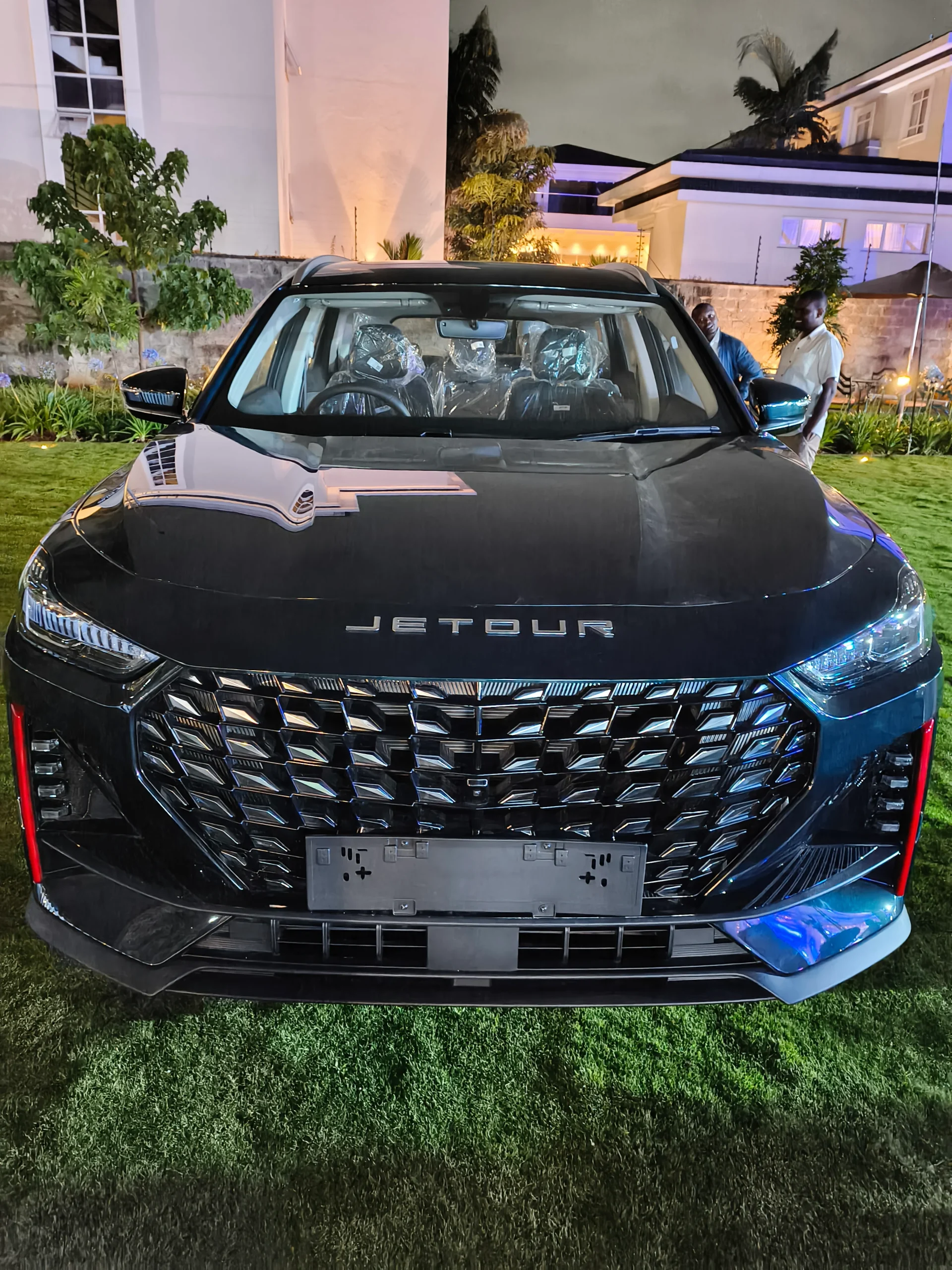
Global Motors Centre Limited has brought Jetour to Kenya with an ambitious play: two Crossovers and two SUVs spanning from city runabouts to big off-roaders, all positioned to undercut the usual suspects while promising premium features.
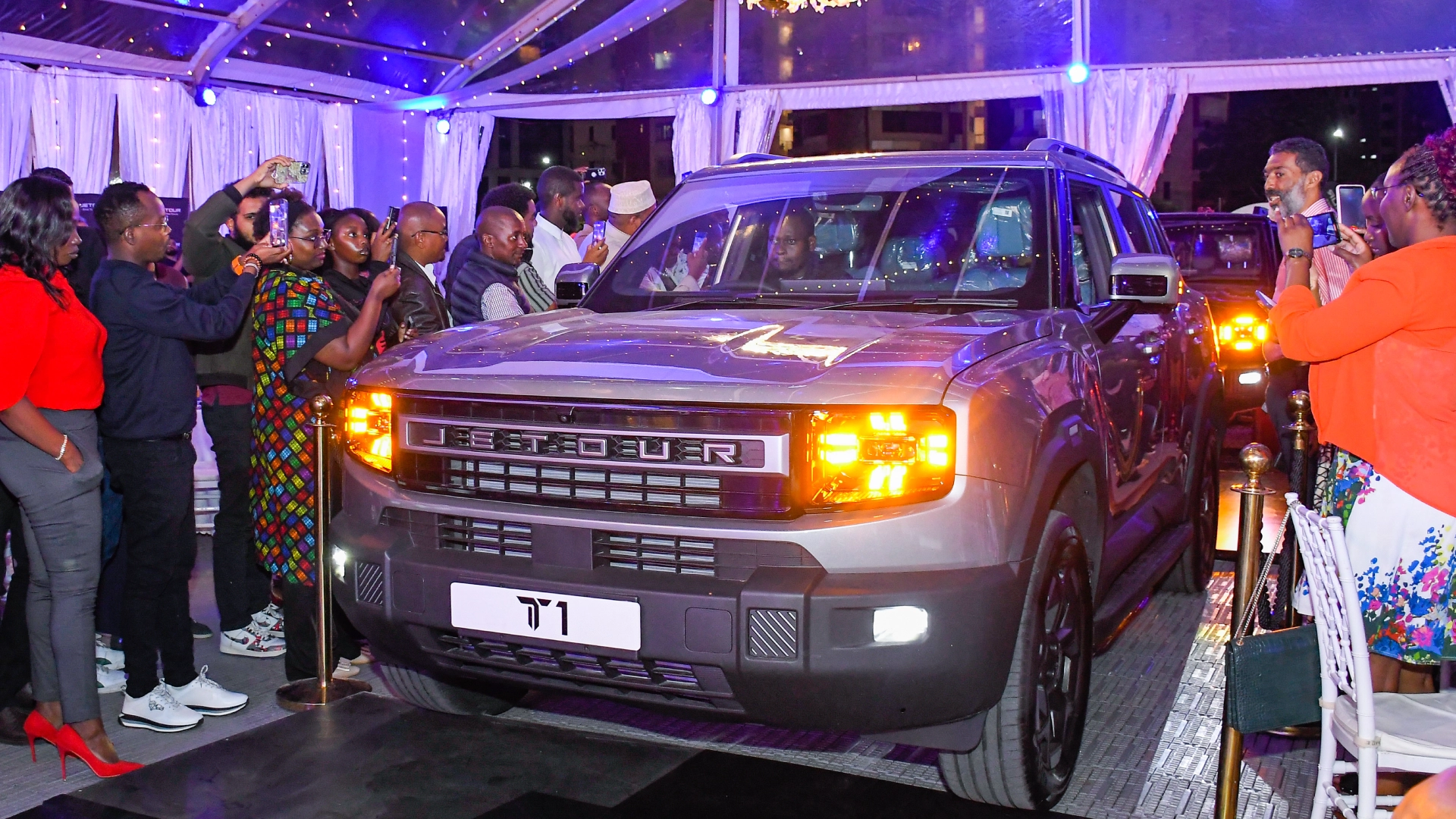
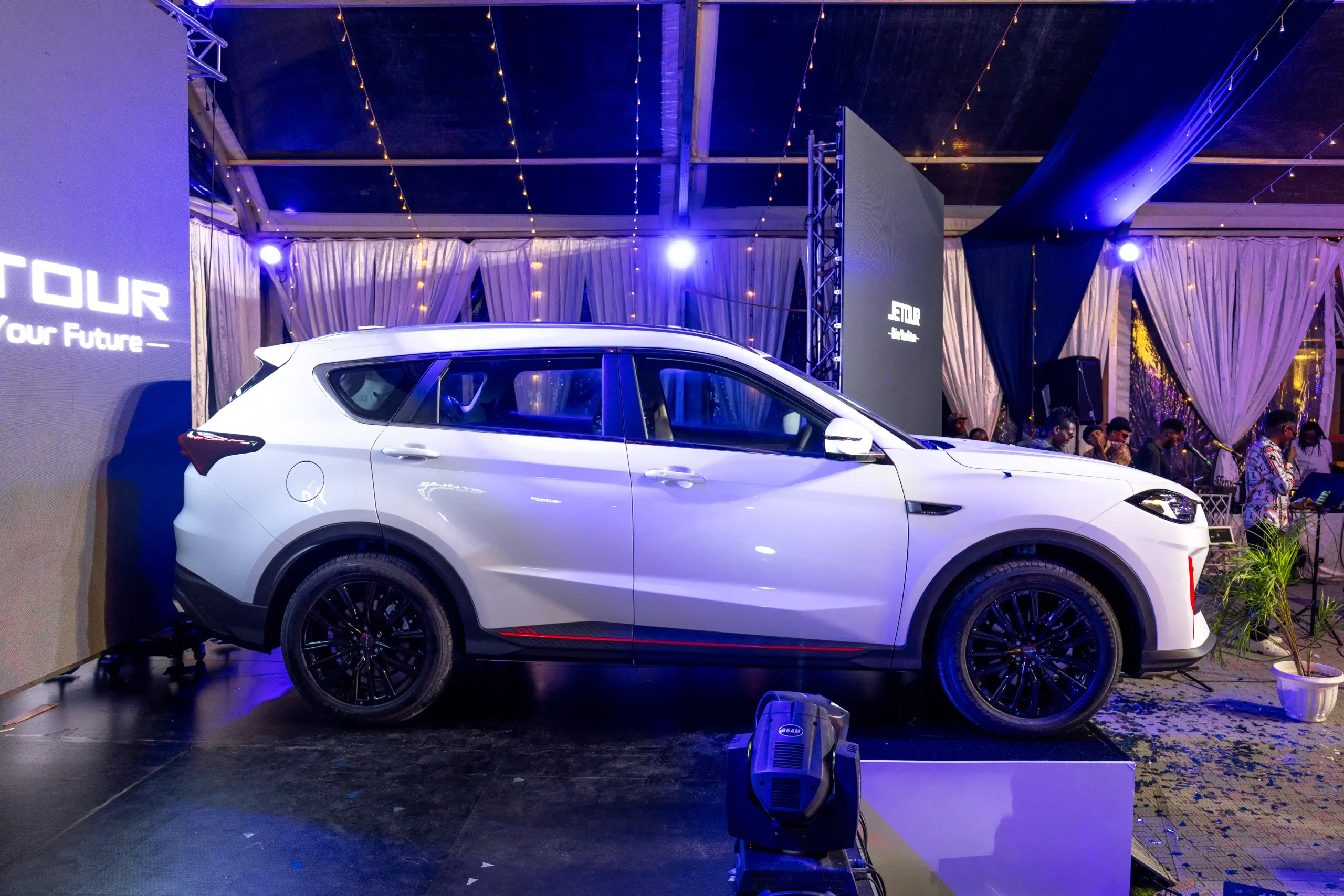
The launch event at EKA Hotel introduced the T2, Dashing, X70 Plus, and T1 to a market that’s increasingly hungry for SUVs but tired of paying through the nose for them.
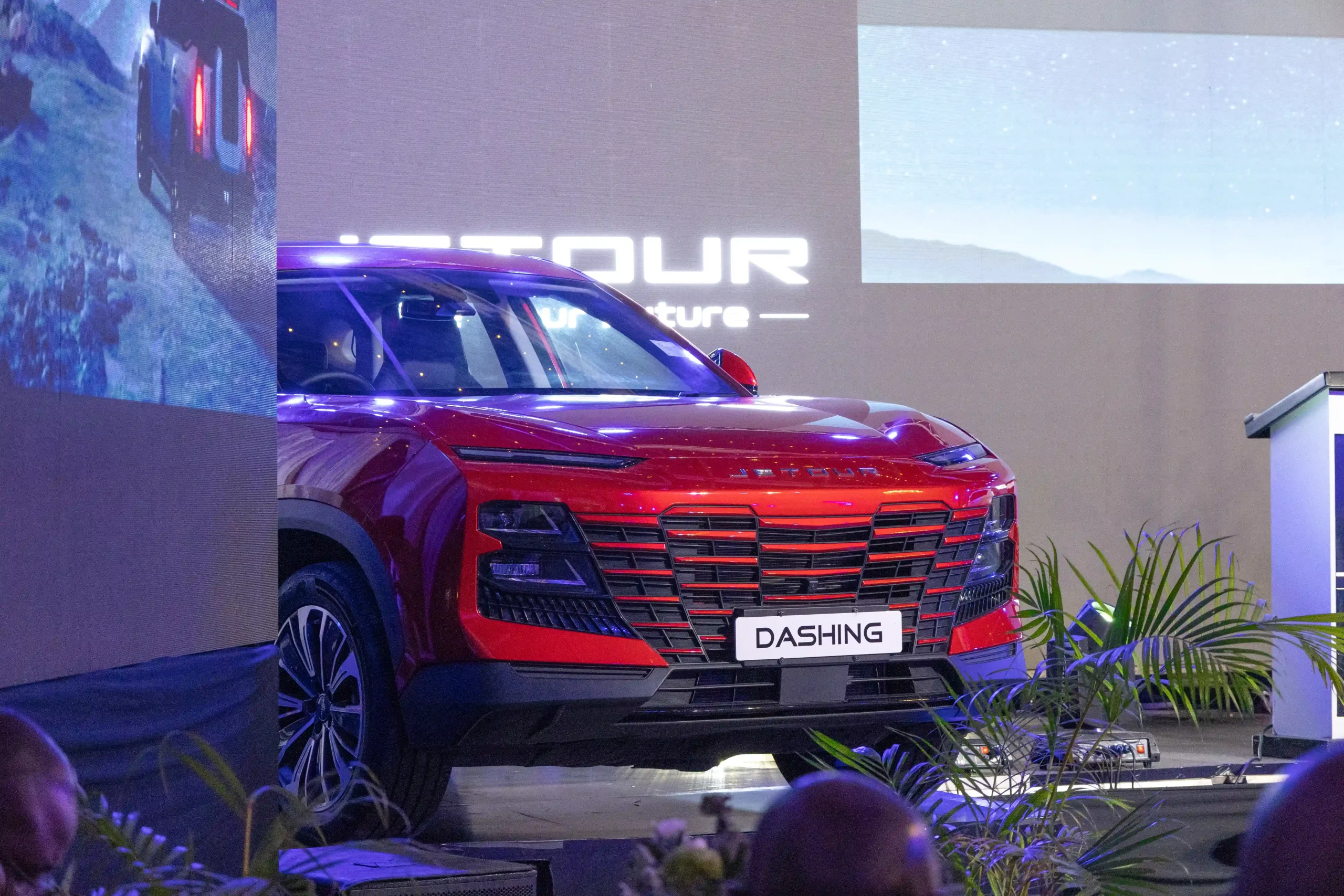
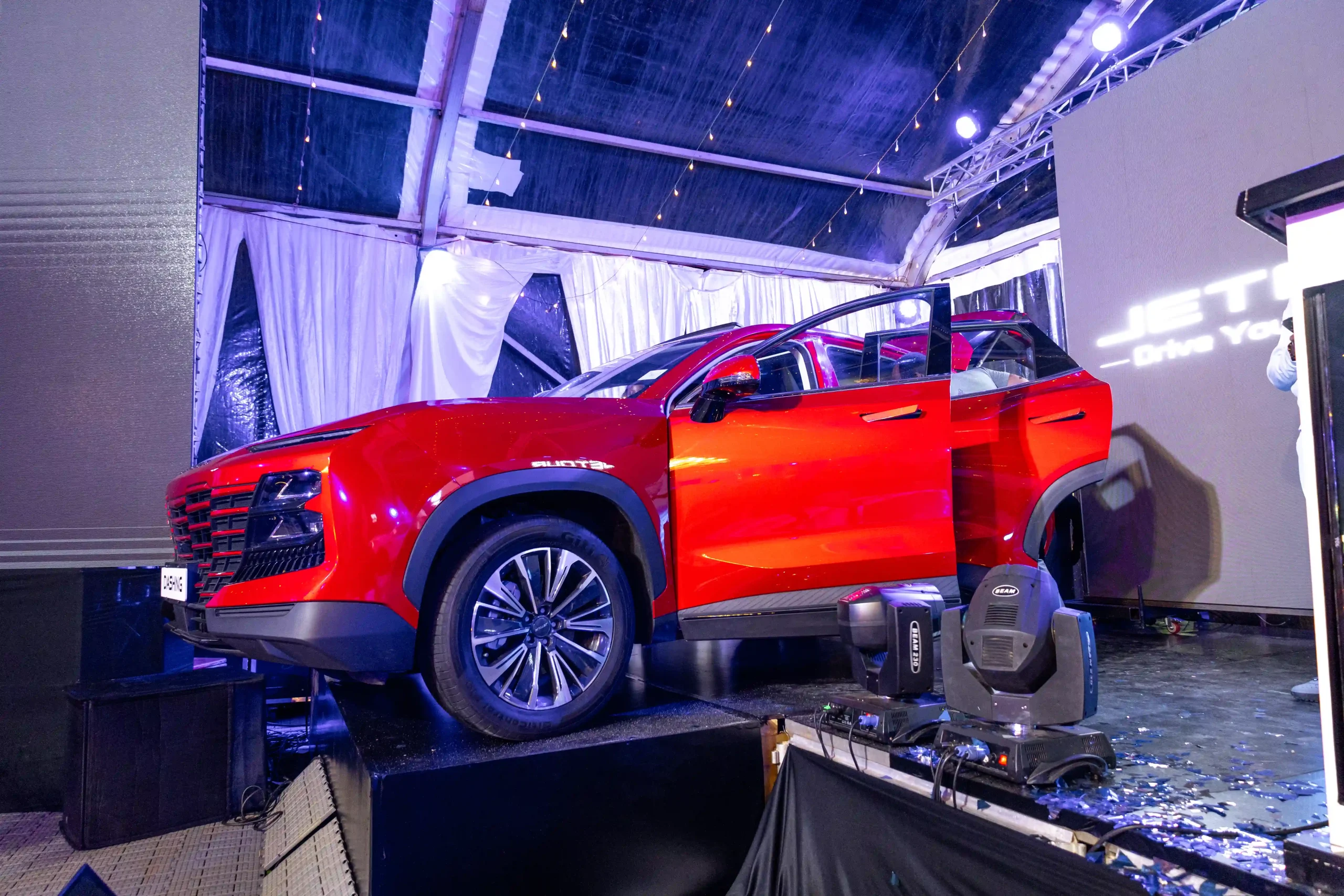
The pricing strategy is possibly the most aggressive in the Kenyan car market. The Dashing starts at KES 4.9 million, making it the entry point into the lineup.
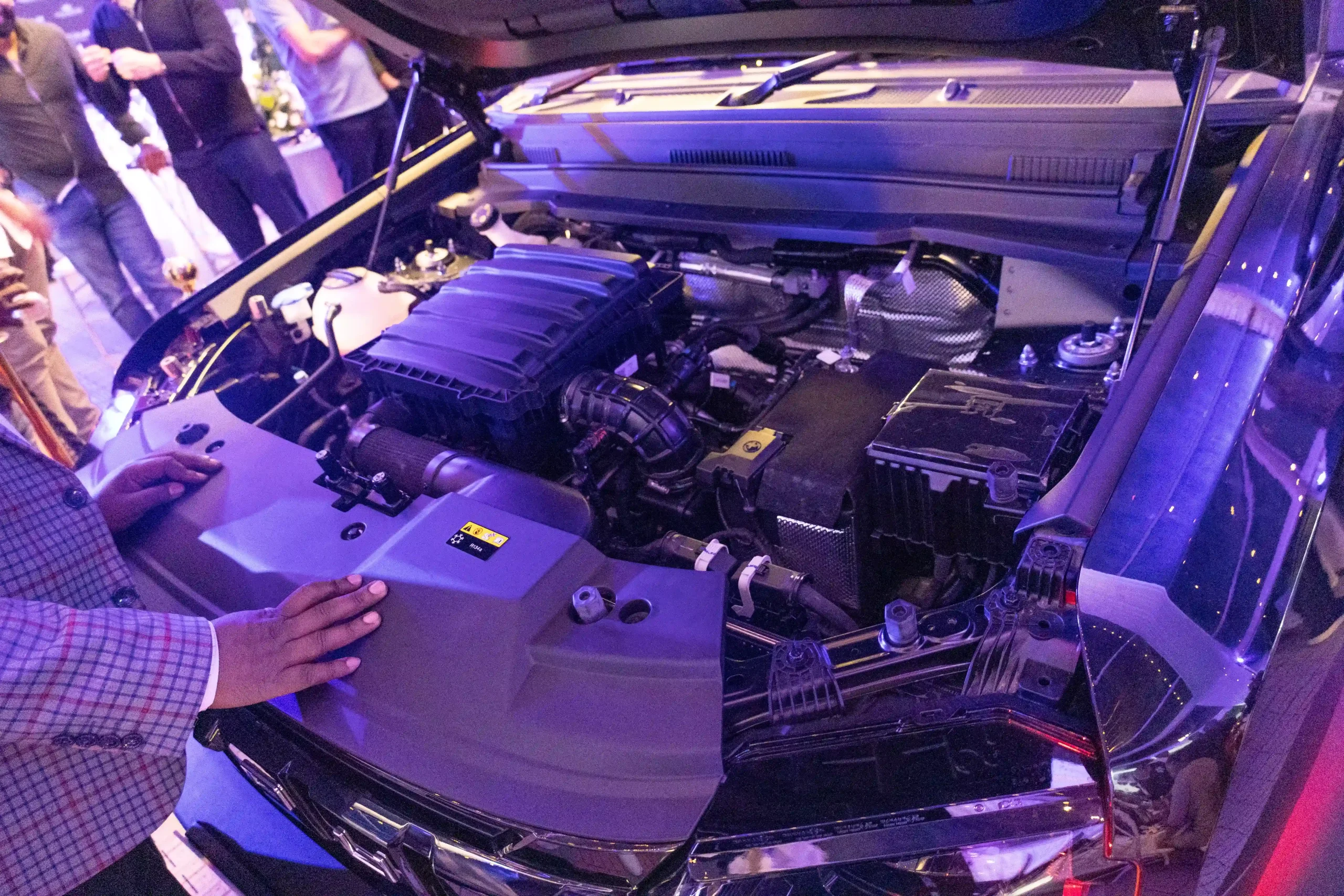
For that money, you get a 1.5-liter turbocharged engine pushing 156 horsepower through a 6-speed dual-clutch transmission, wireless charging, and a 486-liter boot. It’s aimed at young professionals who want something that looks good in traffic and doesn’t require selling a kidney.
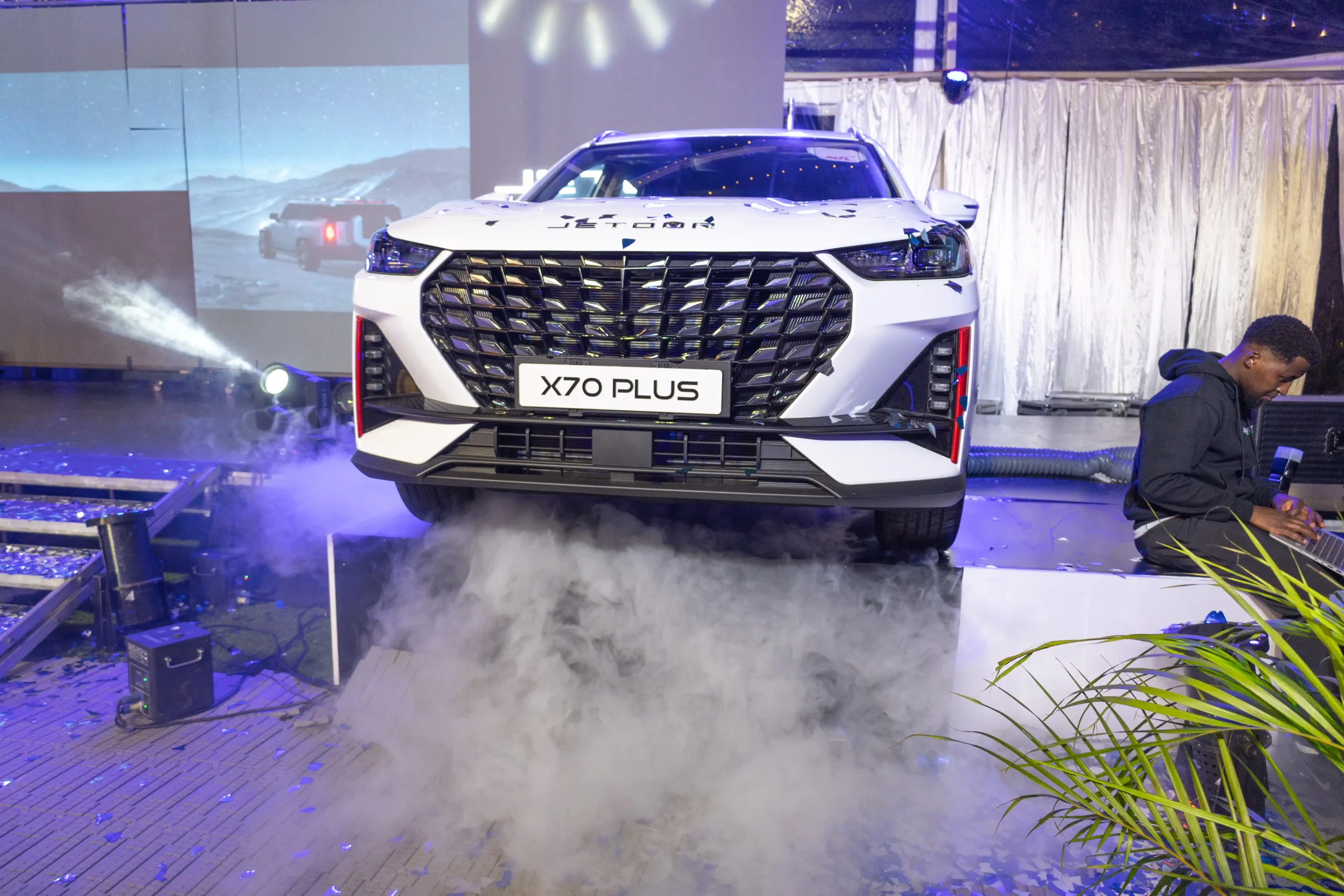
Right above it sits the X70 Plus at KES 5 million. This is Jetour’s global bestseller, a 7-seater designed for families who need space and practicality. Same engine and transmission as the Dashing, but you’re getting extra seats, a panoramic roof, and a better interior with more flexibility than the Dashing.
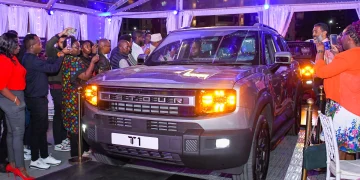
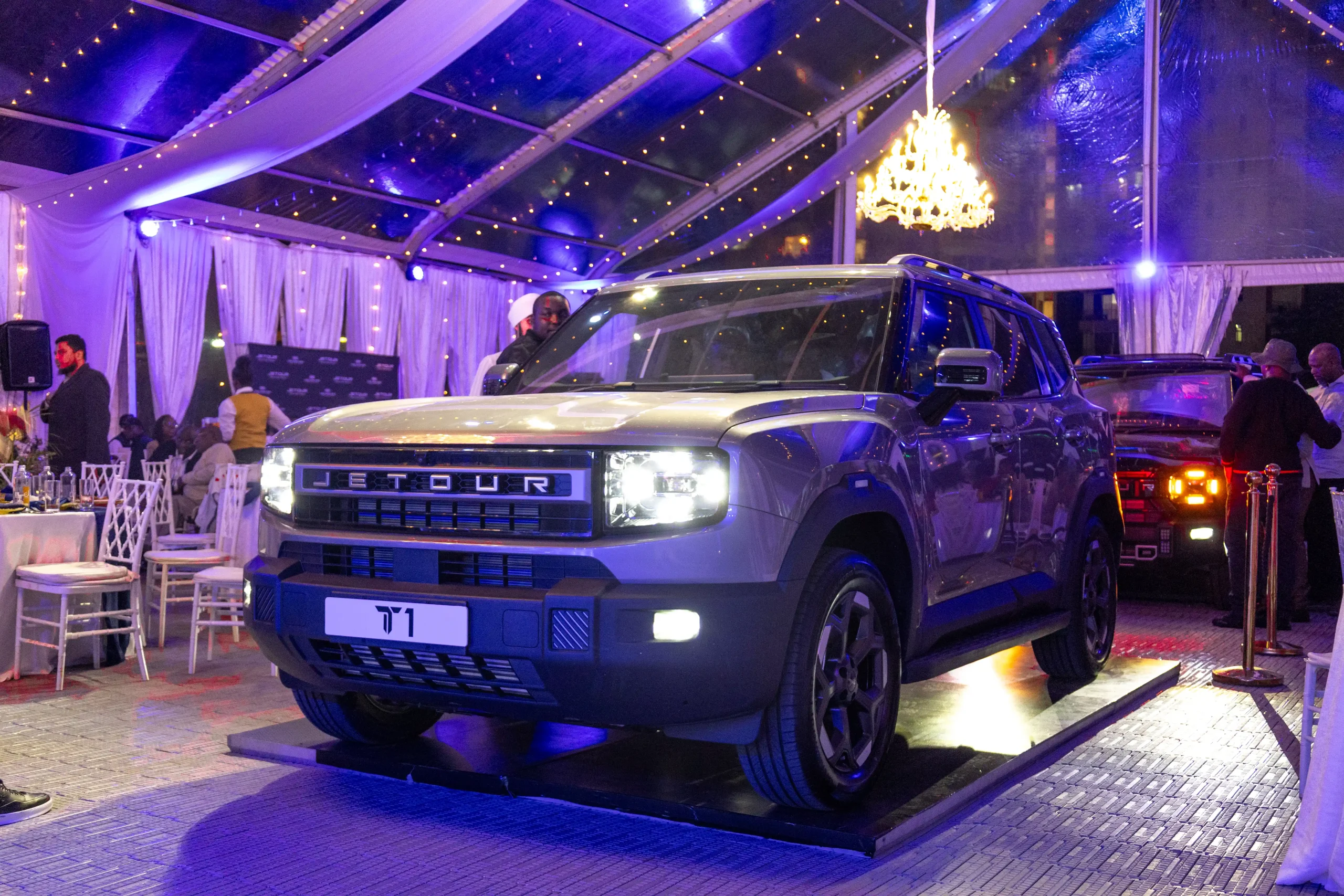
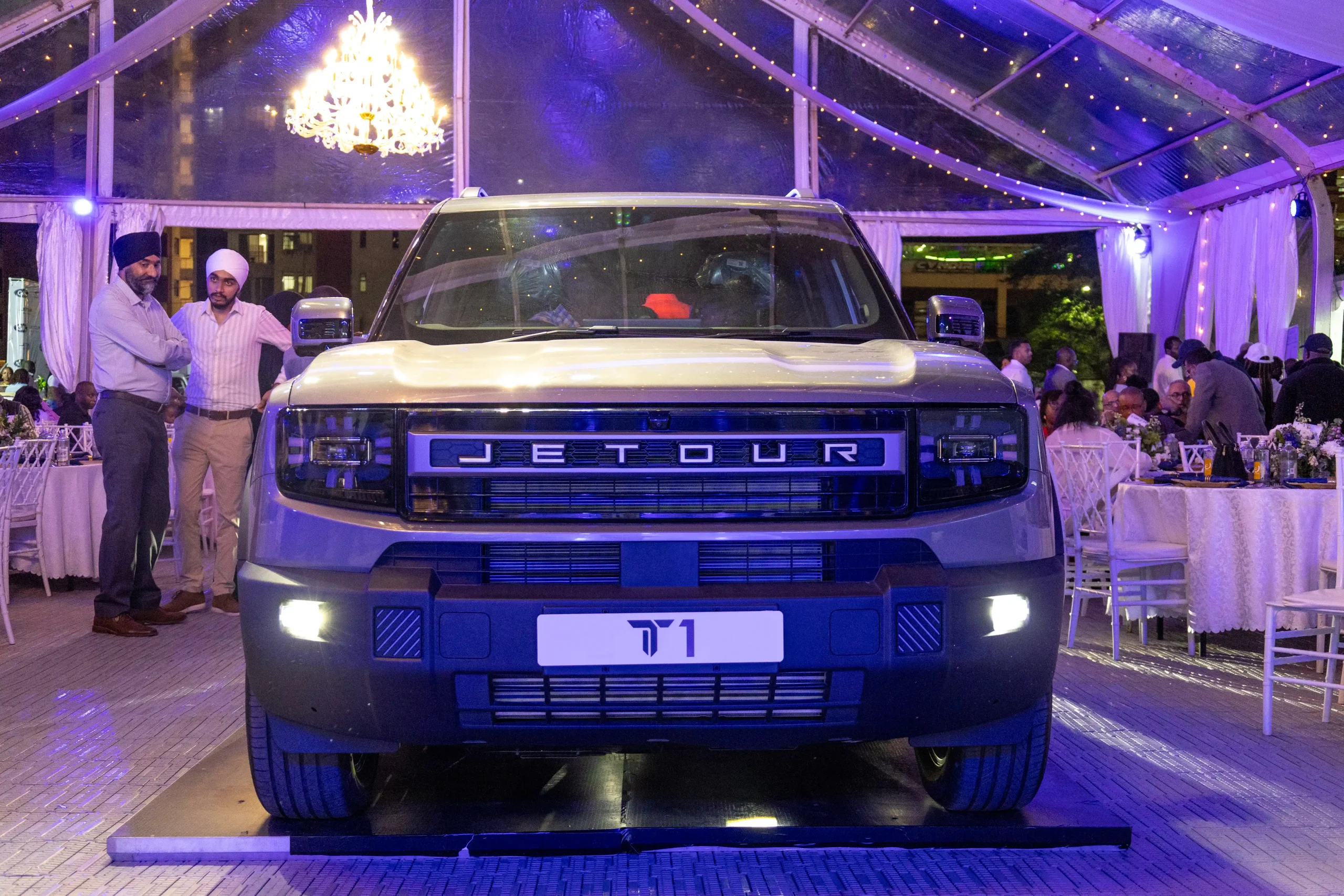
SUVs start with the T1 at KES 7.4 million. Here’s where Jetour ups the game with a 2.0-liter turbocharged engine producing 254 horsepower and 390 newton-meters of torque. It gets all-wheel drive (which they’re calling XWD), a 7-speed dual-clutch gearbox, and nine Sony speakers.
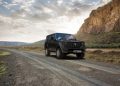
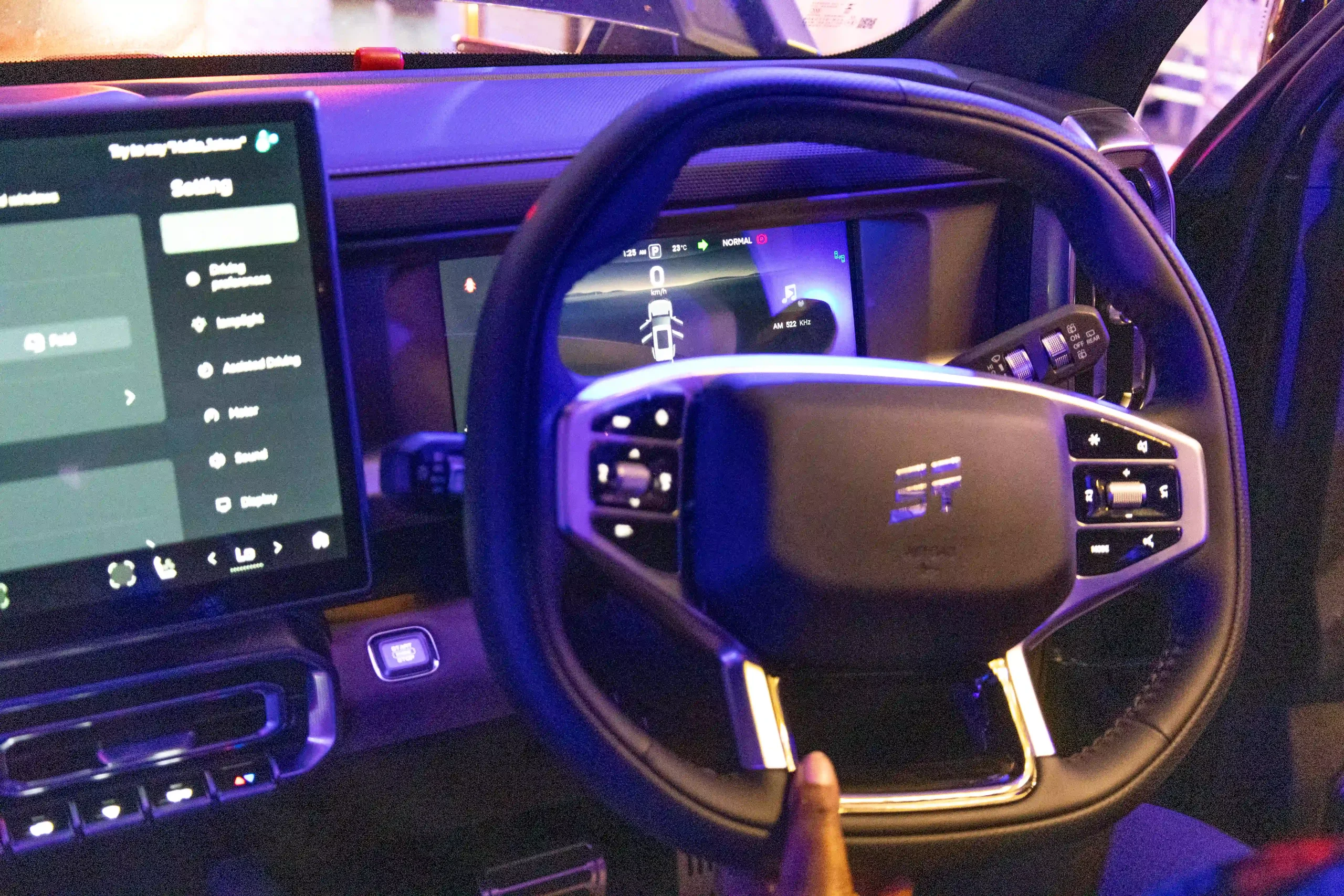
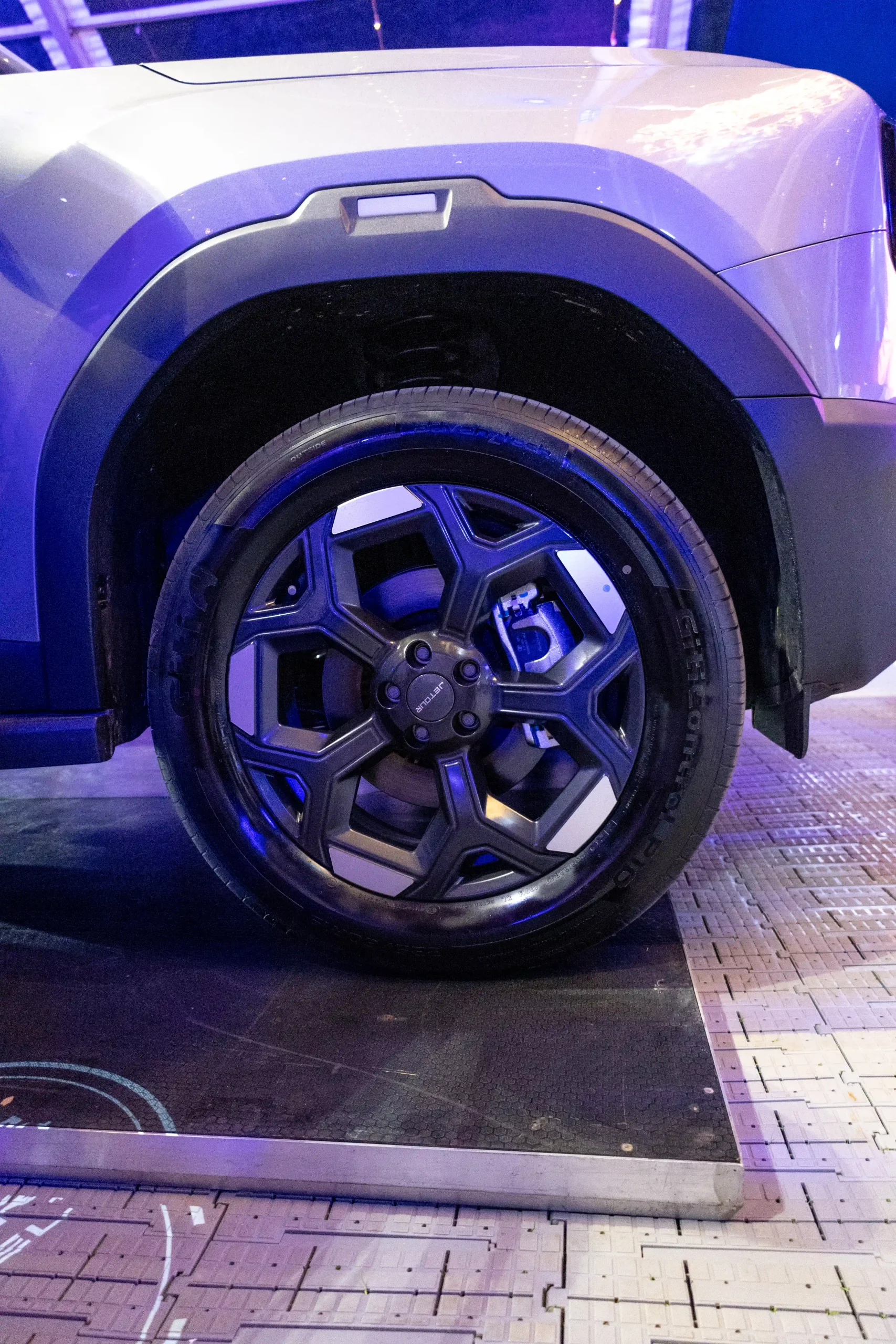
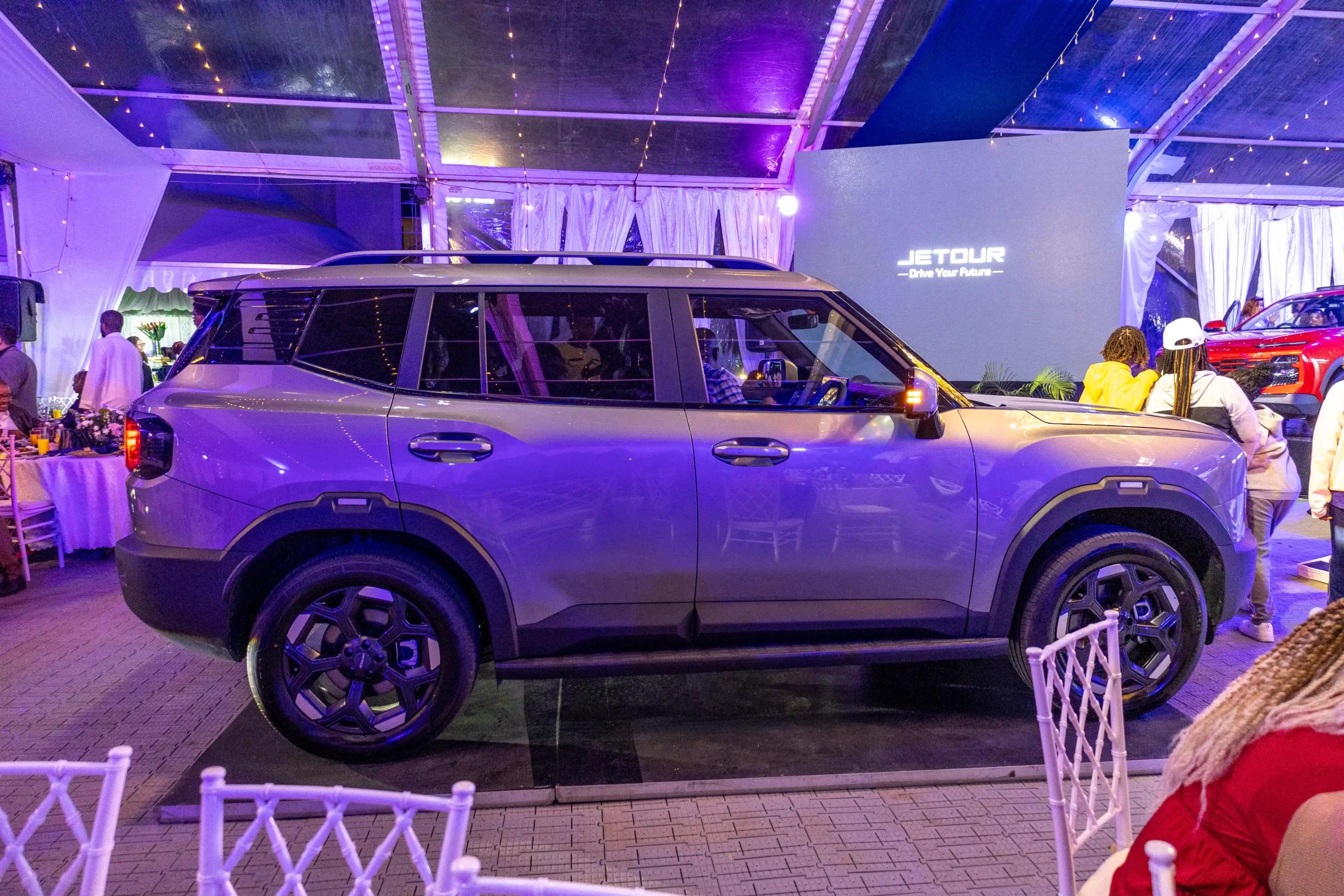
At the top sits the T2 Traveler at KES 7.8 million. This is the top off-road offering with a 28° approach angle, a 30° departure angle, and a 700 mm wading depth. It’s also the same 2.0-liter turbo engine as the T1 with a 7-speed dual-clutch transmission.
You get a 15.6-inch infotainment screen running on a Qualcomm Snapdragon 8155 chip, 12 Sony speakers, and a 70-liter fuel tank that supposedly delivers 10.5 kilometers per liter. The intelligent four-wheel-drive system from BorgWarner can supposedly handle mud, gravel, rocks, and steep inclines without any problems, though time will tell how true this is.
Jetour Dashing – KES 4.9 million
- 1,500cc turbocharged engine
- 156hp / 230nm
- 6-speed Dual Clutch Transmission (DCT)
- 19-inch wheels
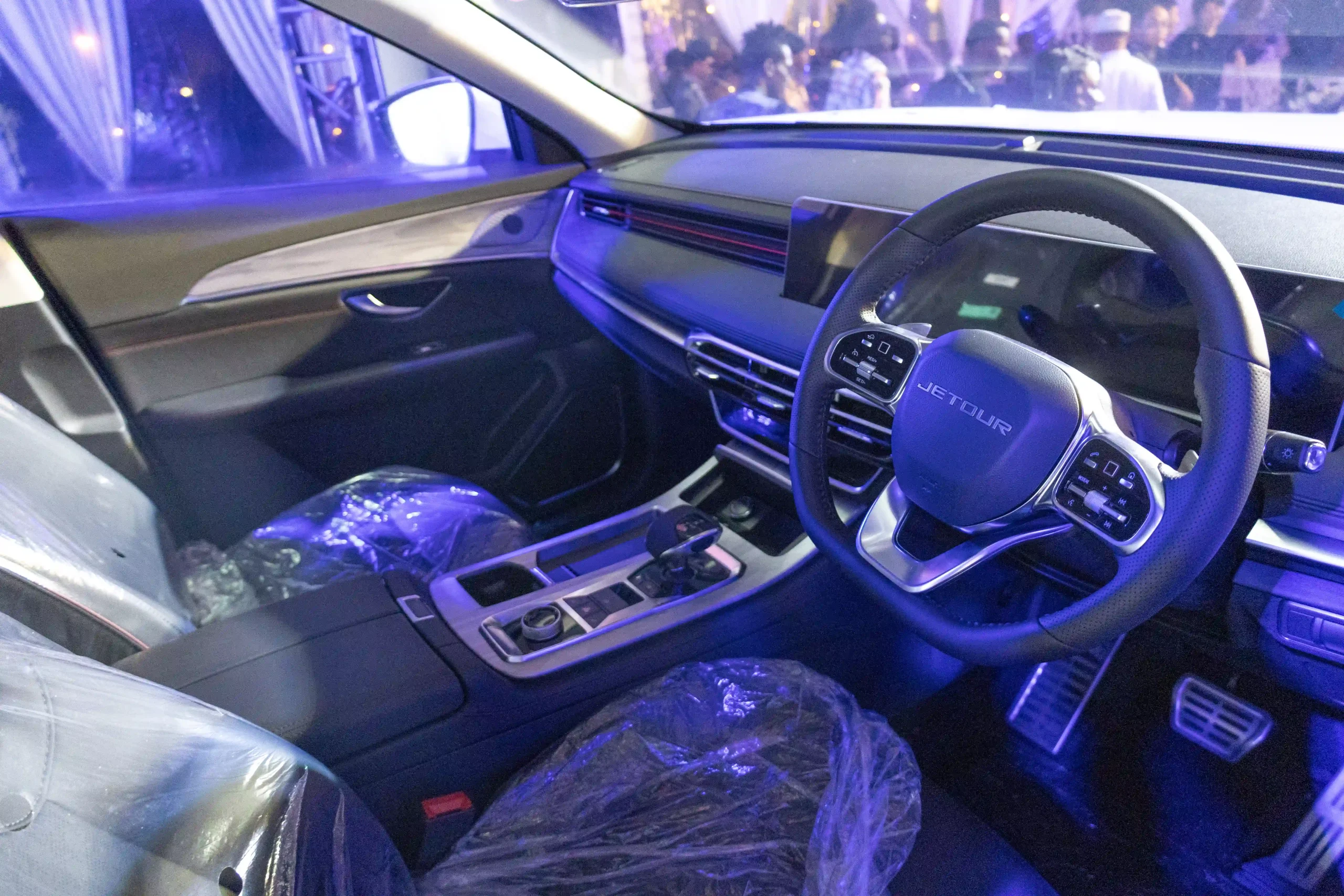
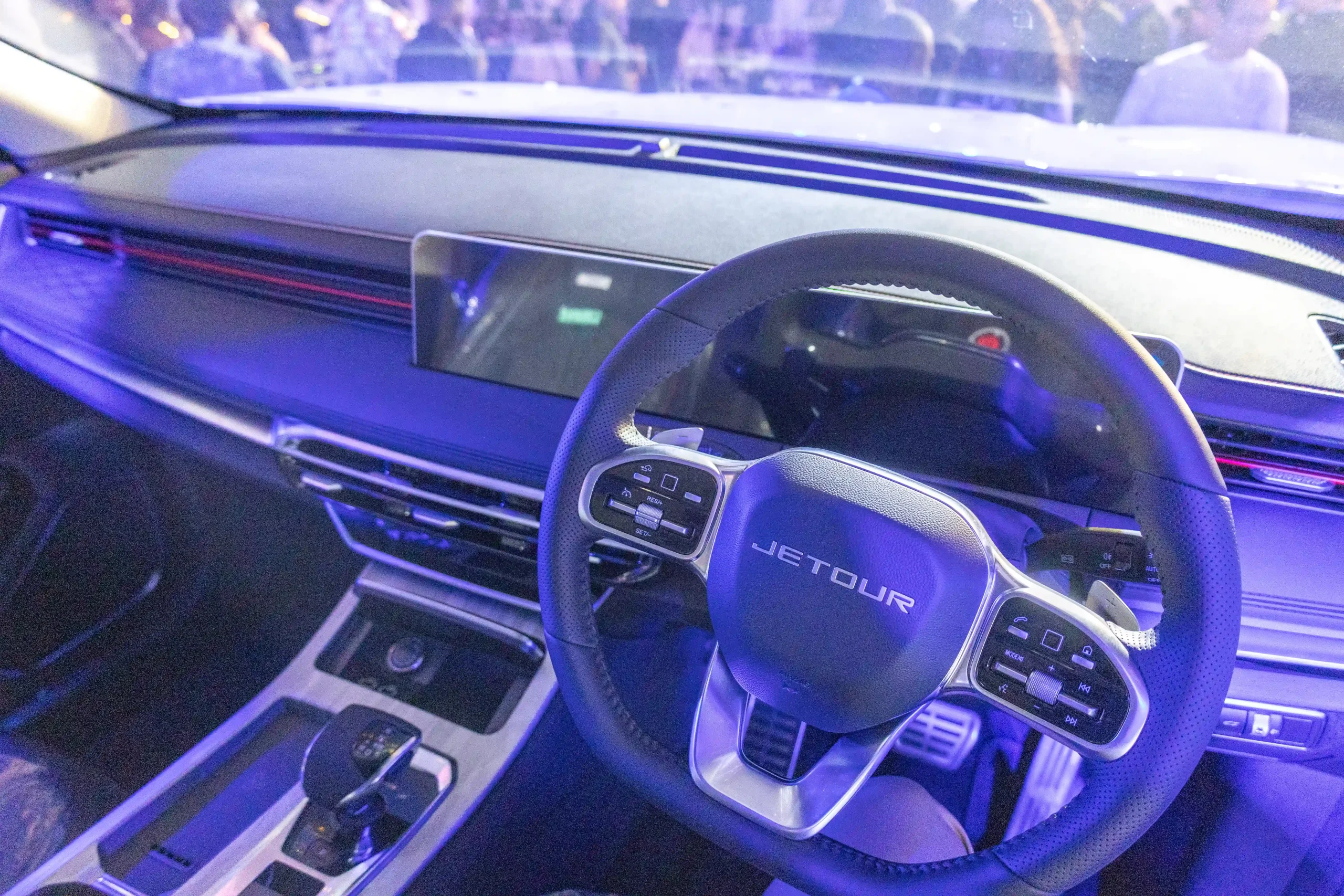
- 10.2-inch infotainment screen with Apple CarPlay and Android Auto
- Wireless charging capability
- Bucket seats
- 486-liter boot capacity
- Flowing LED light signature
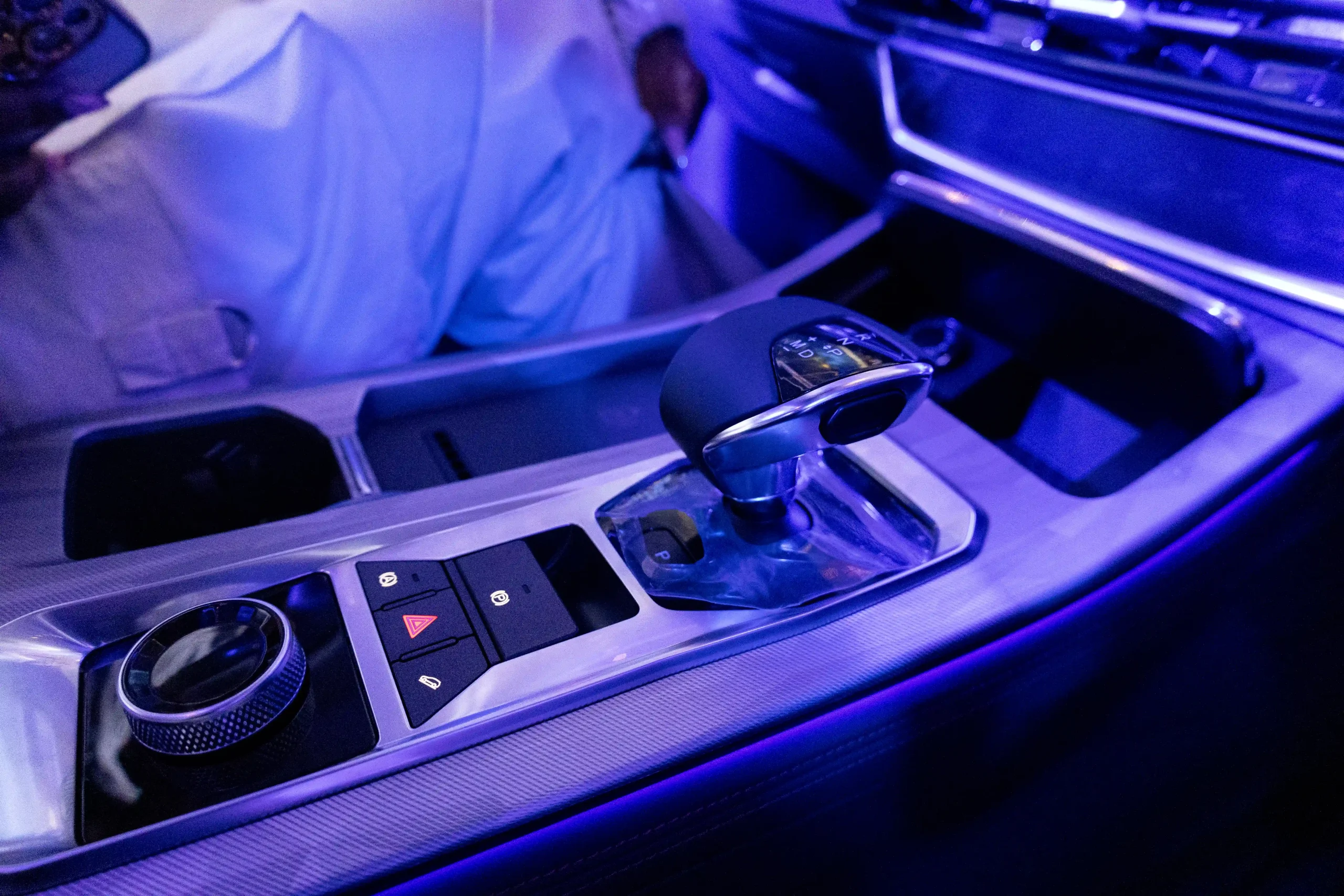
- Digital cockpit with ambient lighting
Jetour X70 Plus – KES 5 million
- 1,500cc turbocharged engine
- 156hp / 230nm
- 6-speed Dual Clutch Transmission (DCT)
- 7-seater SUV configuration
- Panoramic sunroof
- Multi-zone climate control
- Apple CarPlay and Android Auto compatibility
Jetour T1 – KES 7.4 million
- 2,000cc turbocharged engine
- 254hp / 390nm
- 7-speed Dual Clutch Transmission (DCT)
- XWD (all-wheel drive) system
- 9 Sony speakers audio system
- Panoramic sunroof
- Leather upholstery
- High ground clearance for varied terrain
Jetour T2 Traveler – KES 7.8 million
- 2,000cc turbocharged engine
- 254 hp / 390 nm
- 7-speed Dual Clutch Transmission (DCT)
- XWD (all-wheel drive) system with BorgWarner’s intelligent 4WD technology
- 15.6-inch infotainment screen powered by Qualcomm Snapdragon 8155 chip
- 12 Sony speakers audio system
- 70-liter fuel tank capacity
- 10.5 kilometers per liter fuel consumption
- 28-degree approach angle
- 30-degree departure angle
- 700mm wading depth capability
- Panoramic sunroof
- Leather upholstery
- Multiple terrain modes (mud, gravel, rock, steep hills)
Global Motors Centre is also planning local assembly, which Executive Managing Director Ali Zubedi pitched as job creation and supporting Kenya’s manufacturing ecosystem. It’s a smart move politically and could help with pricing if they can navigate the local supply chain successfully.
Jetour itself comes from the Chery Group in China and has been around since 2018. They’ve sold over a million SUVs globally, which suggests they’ve figured out how to build vehicles that people actually want to buy and keep running.
The brand’s philosophy revolves around what they call “Travel Plus,” which is essentially about making vehicles that work for both daily commutes and weekend adventures.
The competition in Kenya’s SUV market is fierce. You’ve got established Japanese brands with strong service networks, Korean manufacturers with compelling warranties, and other Chinese brands already fighting for market share.
Jetour’s bet seems to be on offering features typically found in more expensive vehicles at prices that make people think twice about their brand loyalty.
The real test will be after-sales service and parts availability. Jetour Kenya is promising a nationwide dealership network and warranty packages, but execution matters more than promises.
Kenyan buyers have long memories about brands that entered with fanfare and then left customers stranded when something broke.
For now, the four-model lineup gives buyers options across different price points and use cases. The market will decide if the combination of features, pricing, and Chinese manufacturing can carve out sustainable space in Kenya’s competitive automotive landscape.