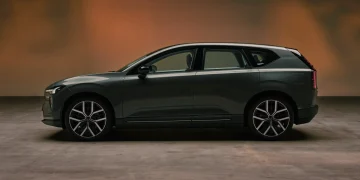





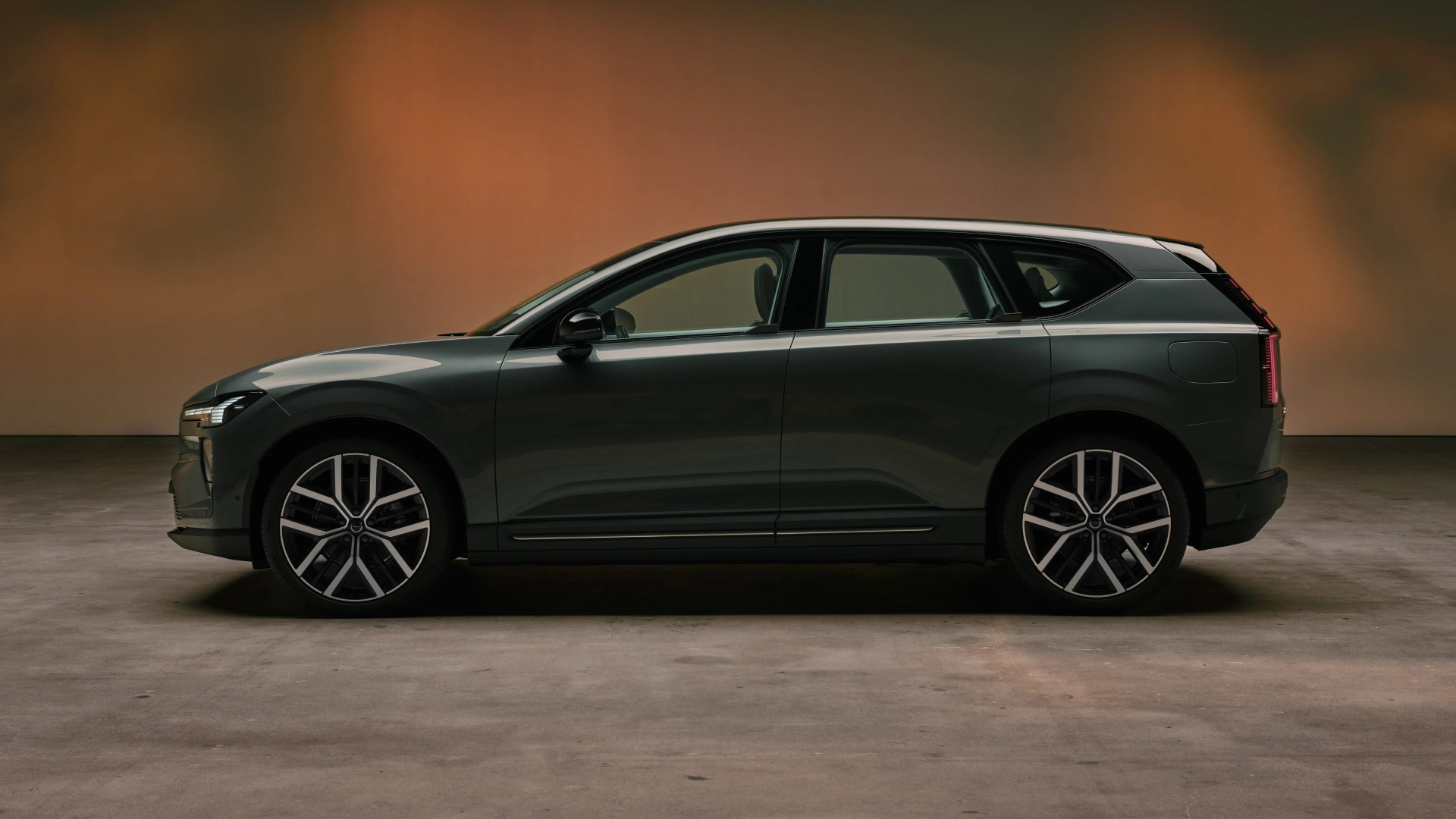
Volvo just unveiled the EX60, a two-row electric SUV that slots between the compact EX30 and three-row EX90 in their lineup.
It’s essentially the electric version of the XC60, which happens to be Volvo’s best-selling vehicle ever, but the EX60 brings some real upgrades that go beyond just swapping the gas engine for batteries.
The headline specs are impressive, to say the least. You get up to 400 miles (~ 640km) of range and the ability to charge from 5 to 80% in 18 minutes using a 400-kW fast charger.
READ: Chinese Automaker Jetour Launches in Kenya with Four Affordable SUVs
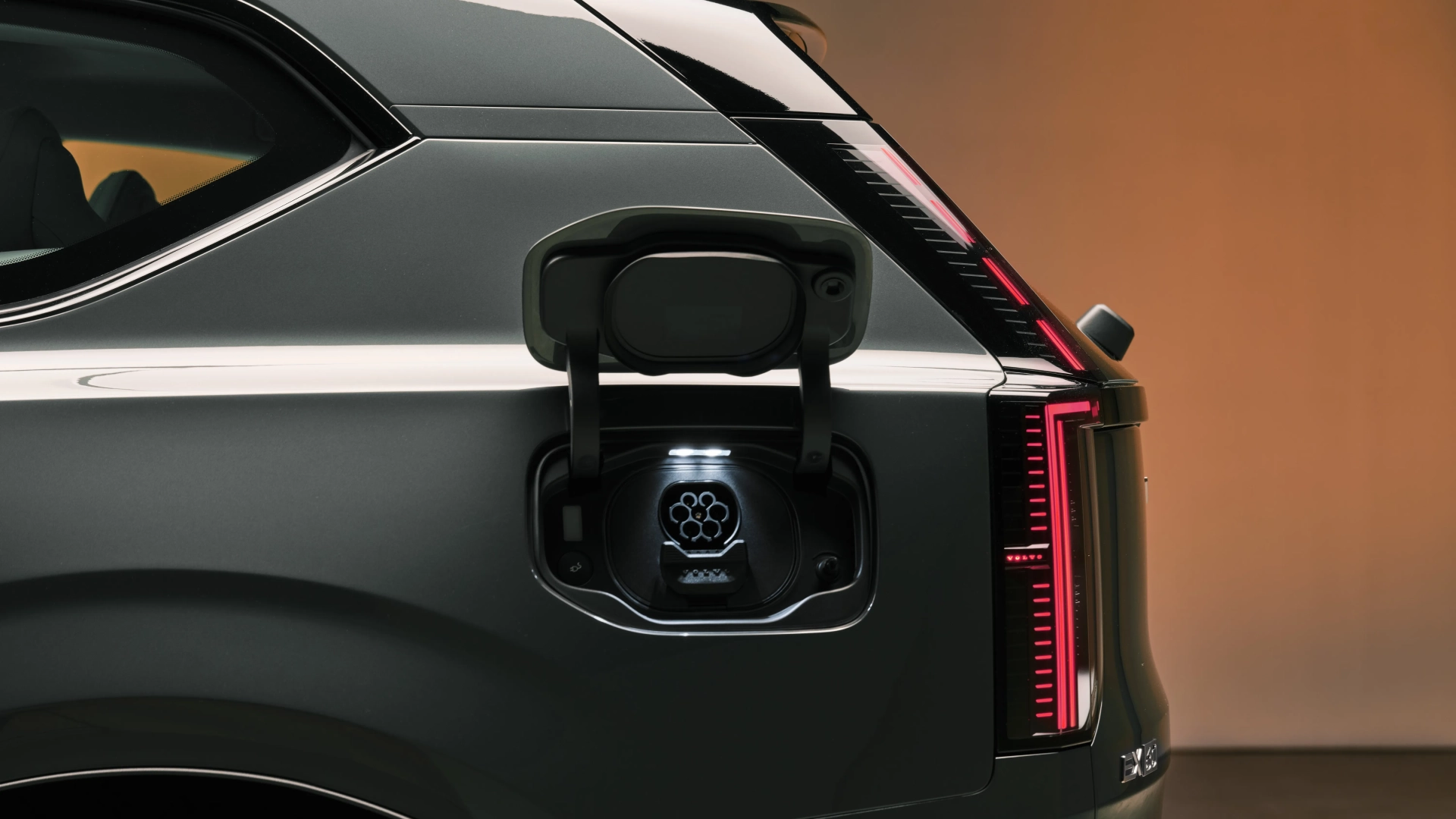
In just 10 minutes of charging, you can add 173 miles (~ 278km) of range. That’s assuming you can find one of those 400-kW chargers, which are still pretty rare, but the EX60 comes with a built-in NACS port for direct access to Tesla’s Supercharger network without needing an adapter.
The EX60 comes in three powertrain configurations. The P12 AWD is the range champion with 640km, 670hp, and 790nm of torque. It hits 60 mph in 3.8 seconds and can tow about 2000kg. The P10 AWD offers 514km of range with 503hp and does 0-60 in 4.4 seconds.
Meanwhile, the rear-wheel-drive P6 gets 498km of range with 369hp and manages 0-60 in 5.7 seconds. Larger wheels cut 16 to 49 km off these range estimates depending on the configuration.
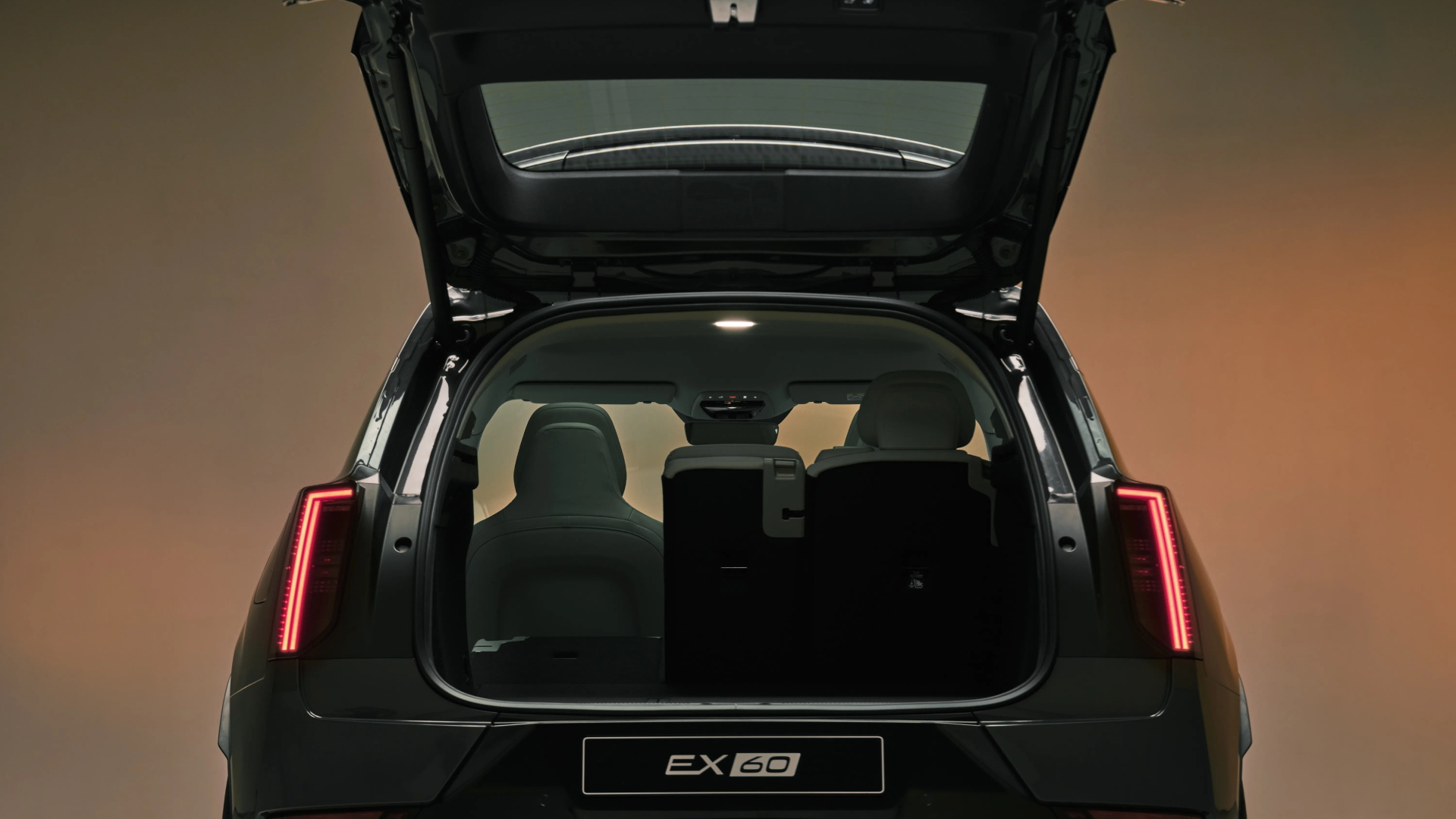
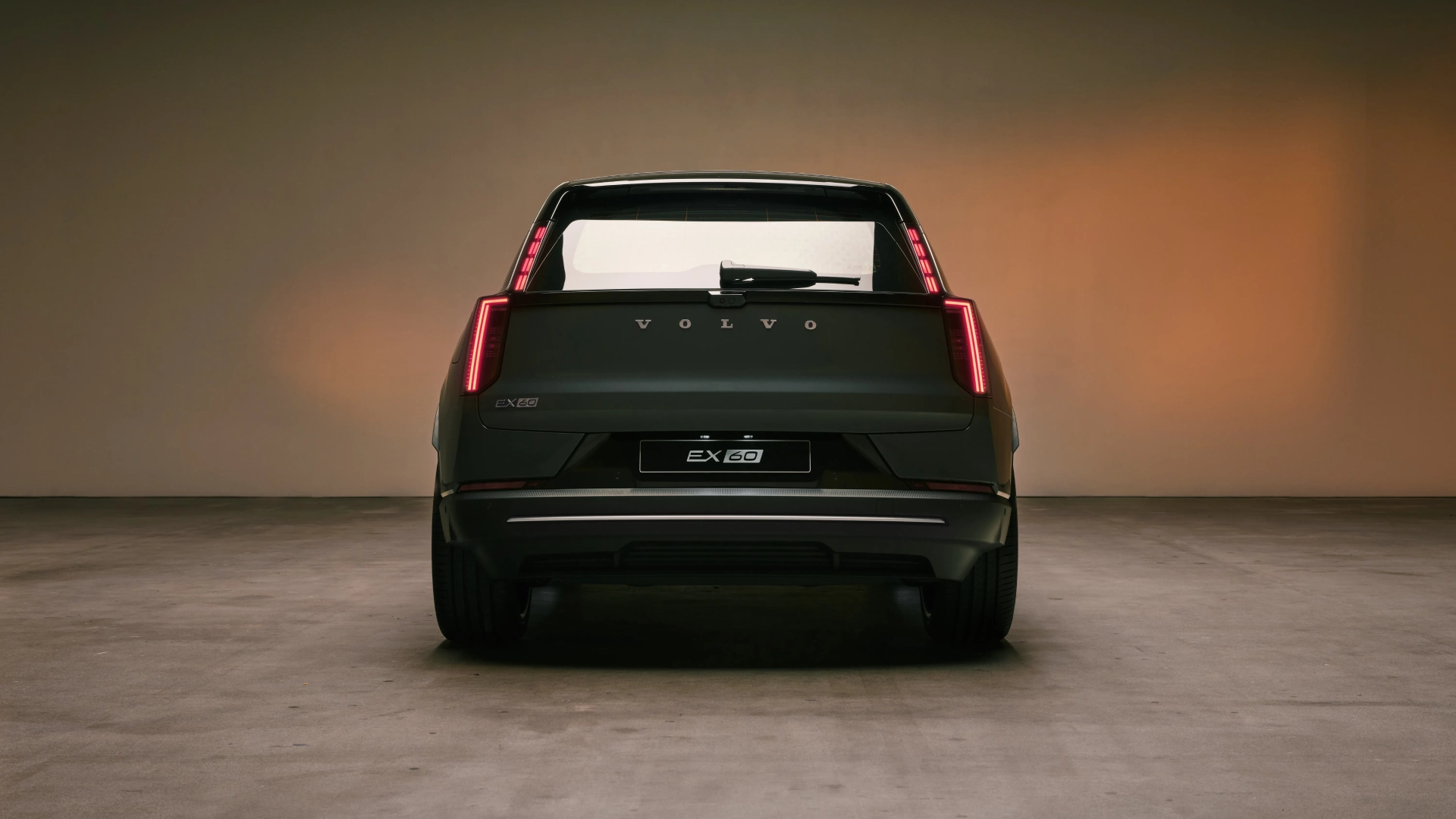
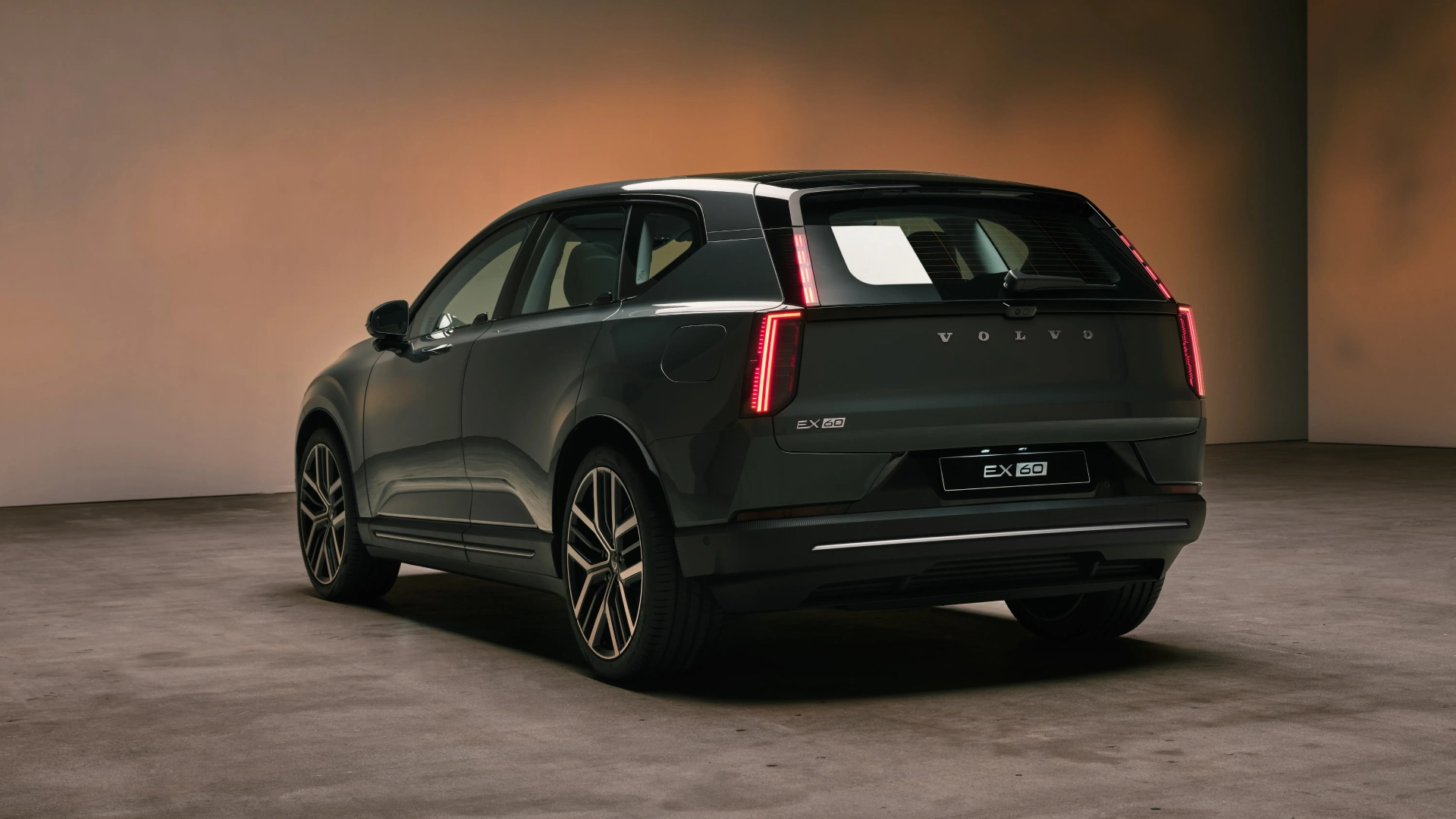
Battery sizes vary across the lineup: 80 kWh in the P6, 91 kWh in the P10, and 112 kWh in the P12. All battery packs come with a 10-year warranty covering up to 240,000 kilometers, which is an upgrade from Volvo’s previous eight-year coverage.
The fast charging capability comes from Volvo’s new 800-volt architecture, a first for the company. The EX60 also supports vehicle-to-home and vehicle-to-grid functionality as standard, allowing it to potentially help stabilize electrical grids during peak demand.
Under the body, the EX60 rides on Volvo’s new SPA3 platform, which uses megacasting technology to manufacture the entire rear underbody as a single piece of aluminum instead of assembling about 100 separate parts.
The platform also incorporates a structural battery pack where the high-voltage cells are integrated into the chassis itself.
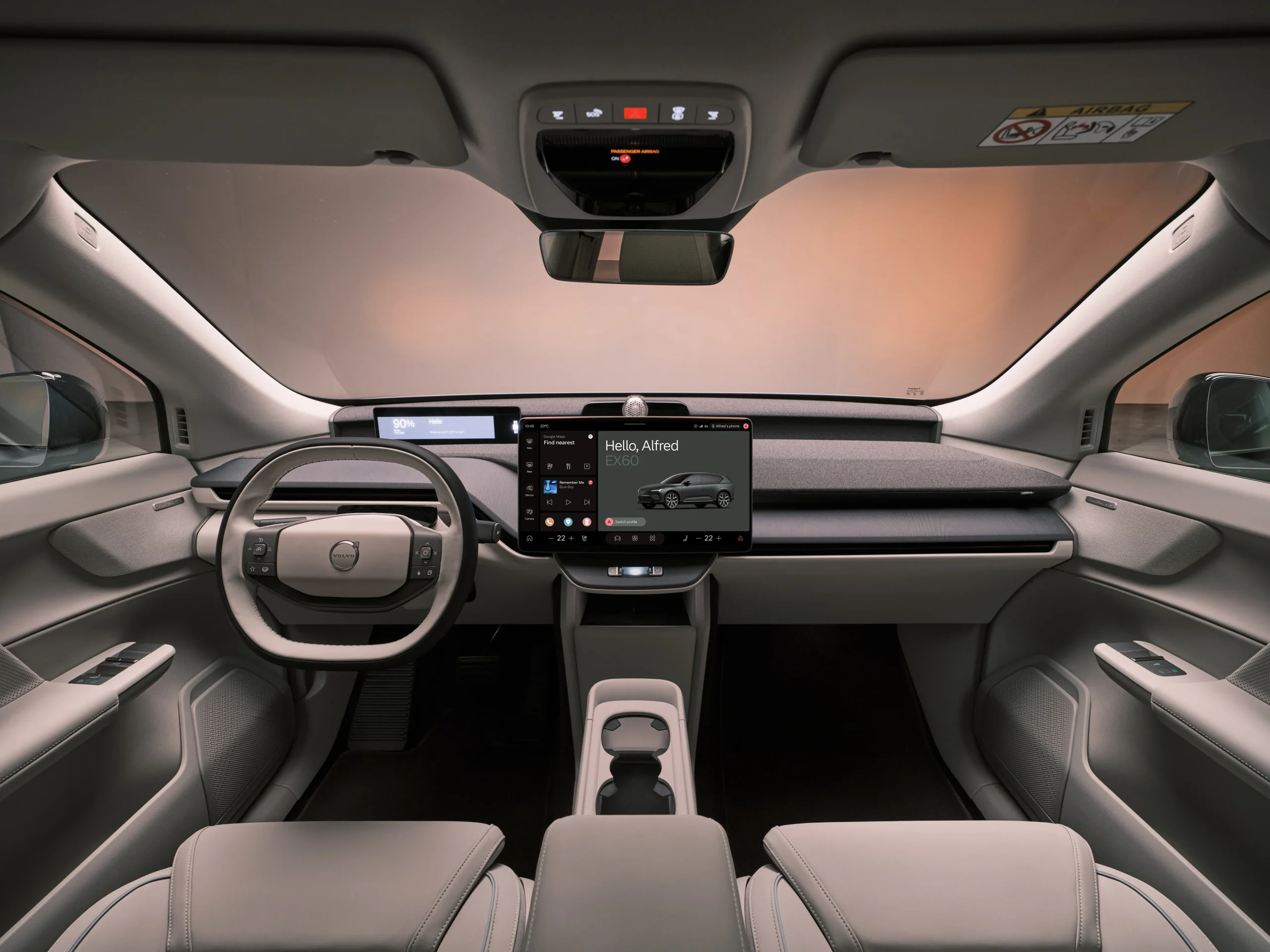
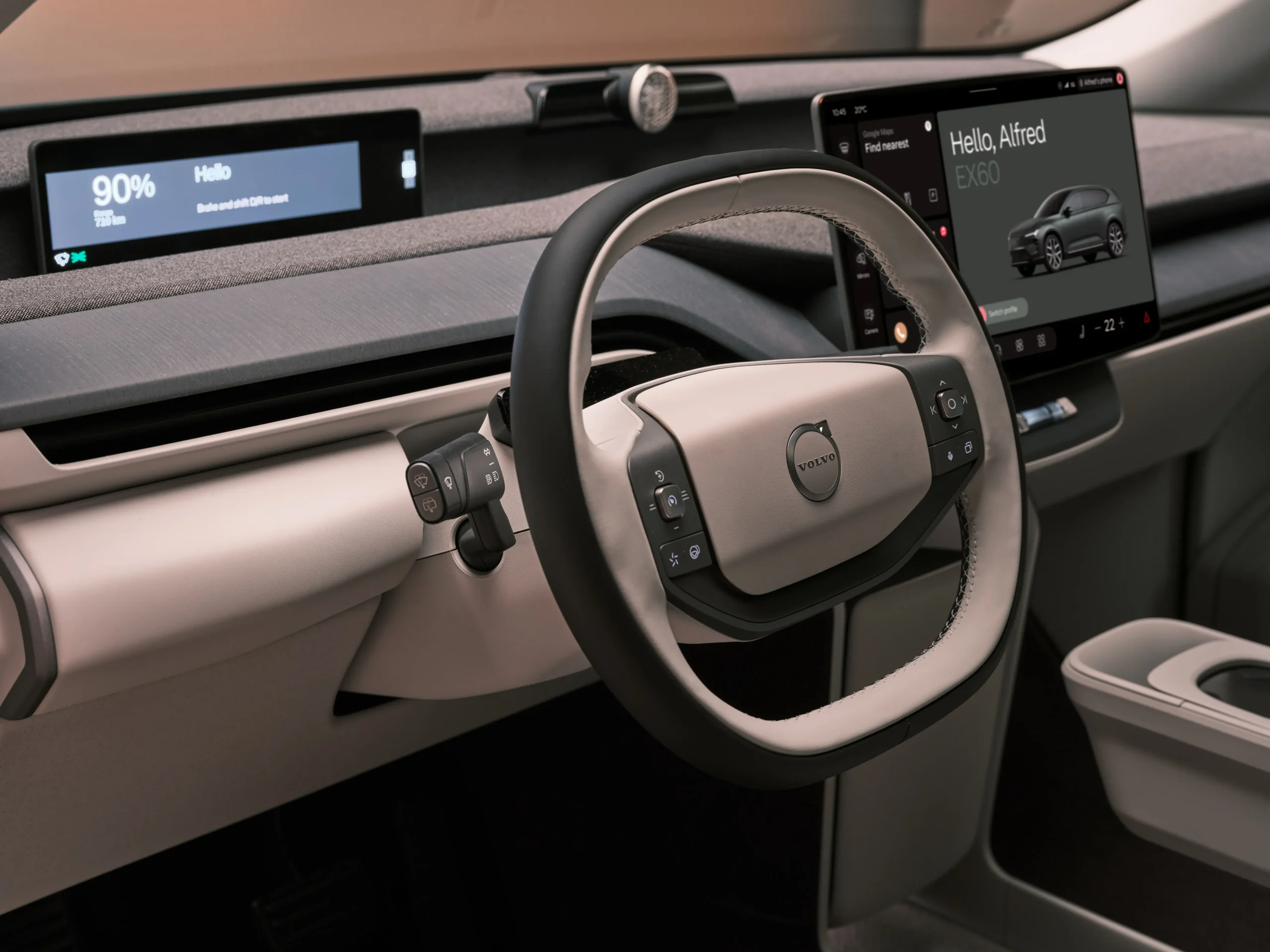
Inside, the EX60 debuts Volvo’s HuginCore hardware and software system, named after one of Odin’s ravens from Norse mythology. It combines Volvo’s own technology with Qualcomm’s Snapdragon Cockpit Platform processor and Nvidia’s Drive platform and AGX Orin chip.
The system integrates Google’s Gemini AI assistant for conversational commands that can supposedly plan road trips, search through messages and emails, or tell you if a piece of furniture will fit in the boot.
This is important because Volvo’s recent infotainment systems have been problematic. The EX90’s software was so bad at launch that the company apologized to buyers. Volvo promises the EX60 will be “lag-free” with instantaneous screen loading.
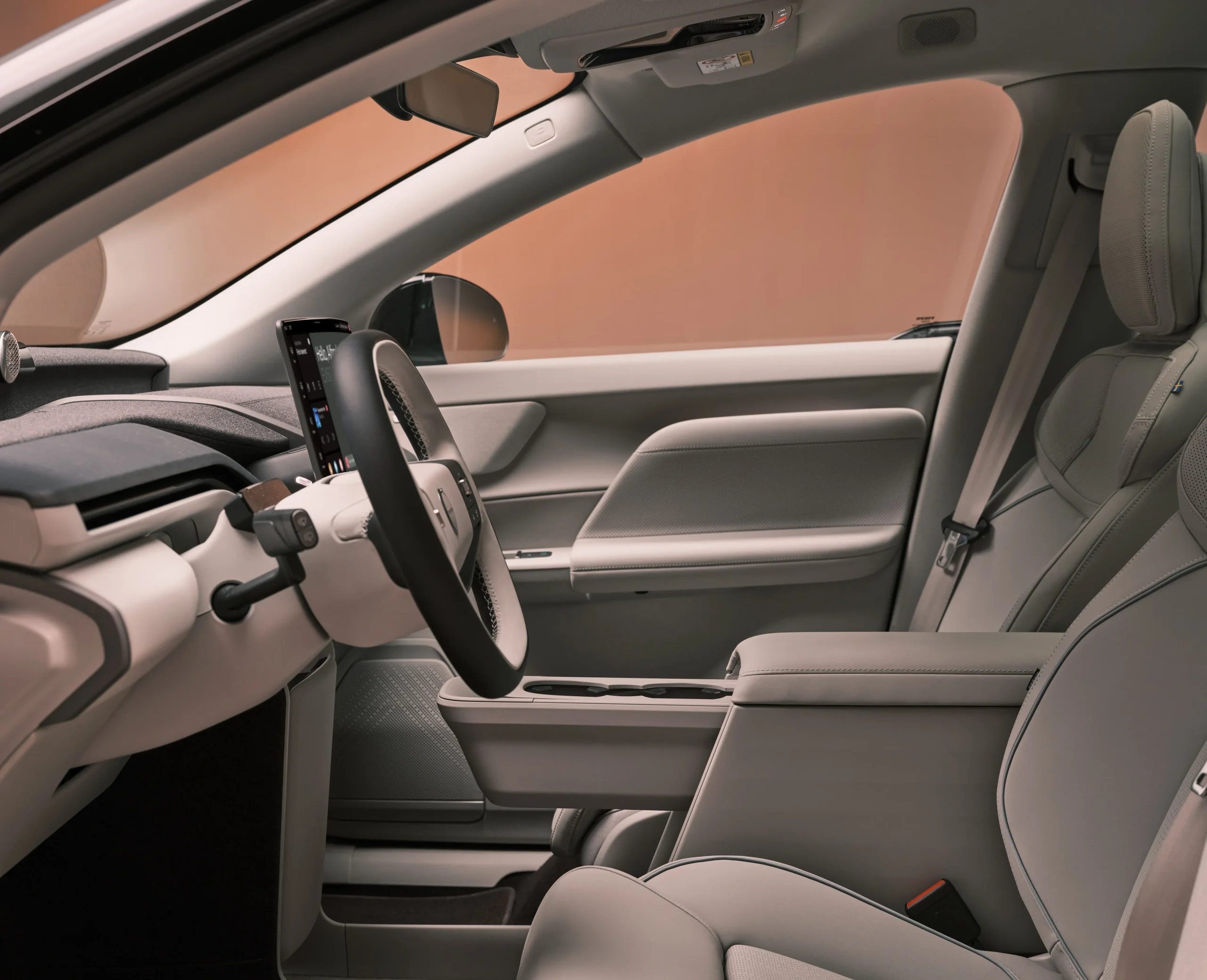
The EX60 will come in seven variants across its three powertrains, with Plus and Ultra trims available for each. Base Core trims will be offered later for some versions. Beyond choosing your variant, customization is limited to interior and exterior colors plus a handful of options.
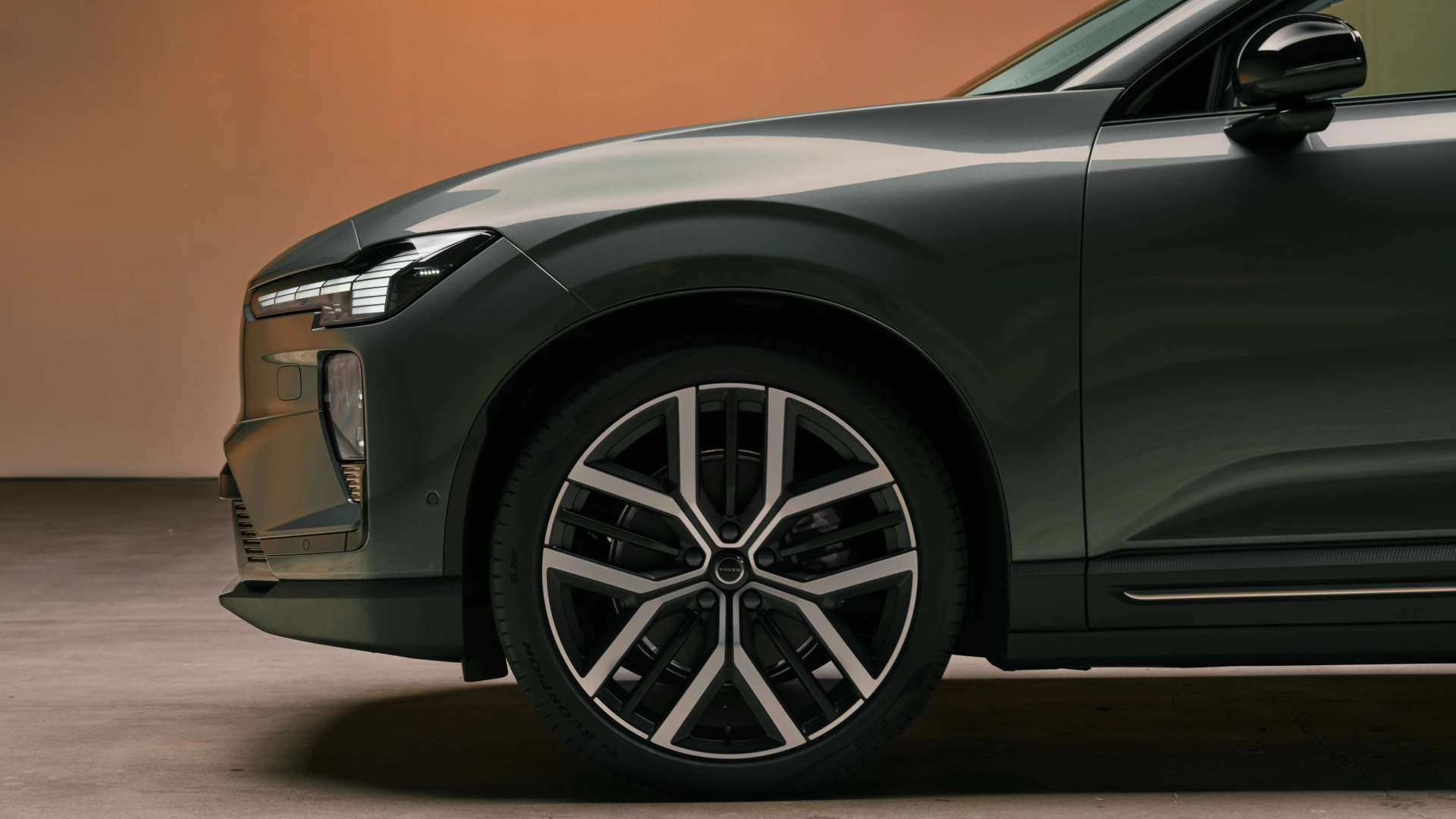
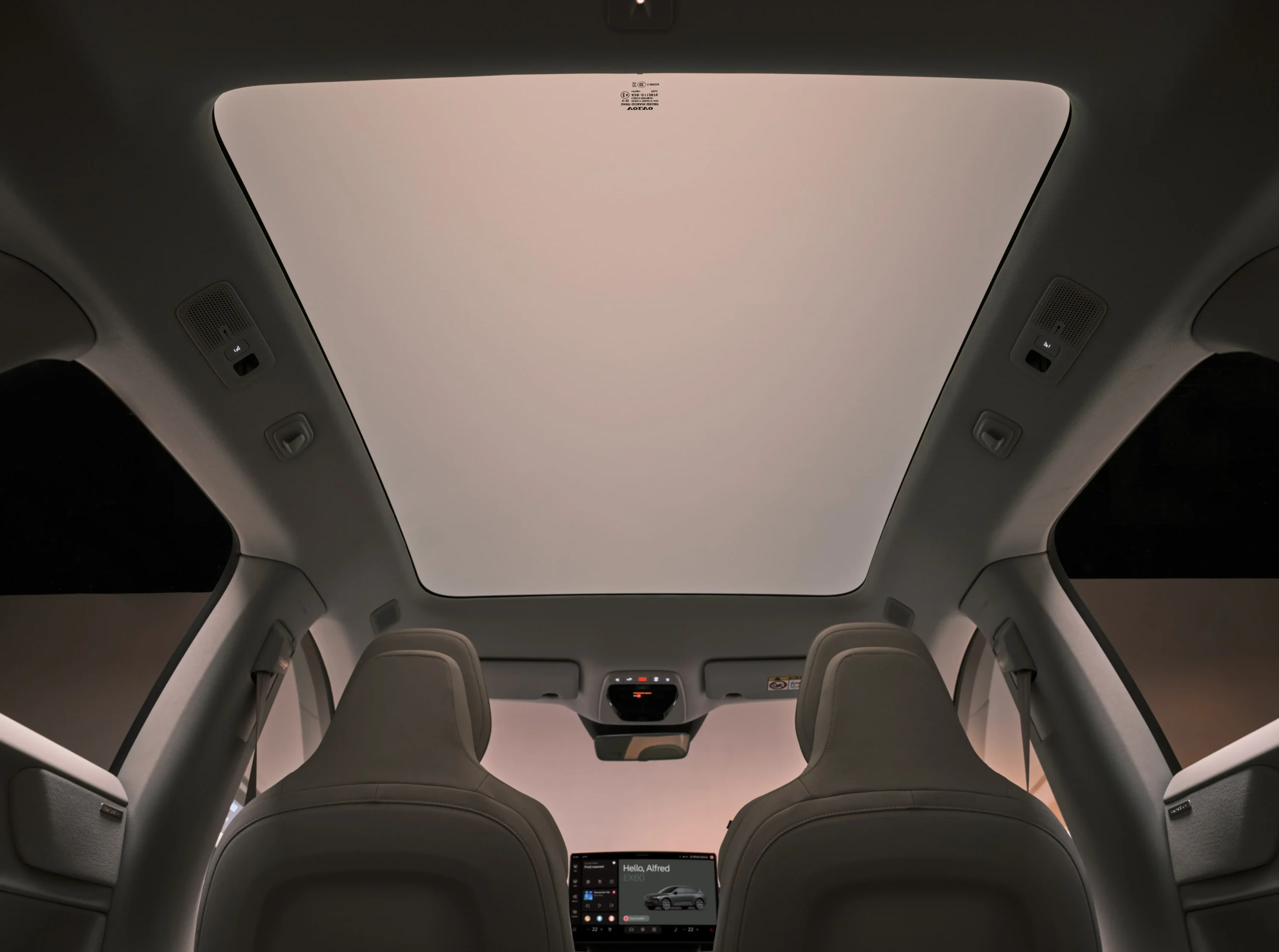
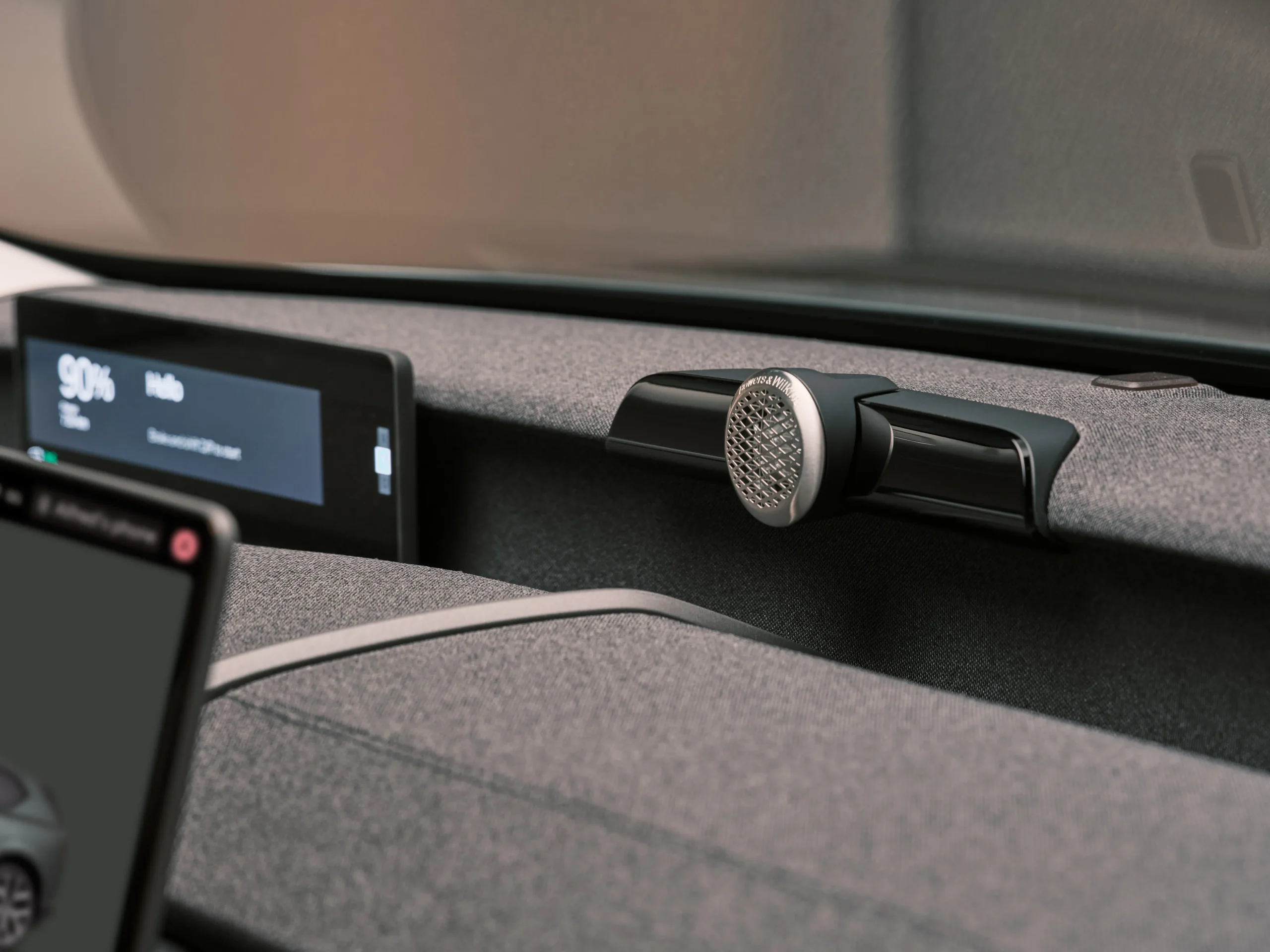
Volvo hasn’t announced full pricing but says the P10 AWD Plus EV will cost around $60,000 (~ KES 7.7 million). That gets you a 21-speaker Bose system, a panoramic electrochromatic roof, a 360-degree camera, a 15-inch curved OLED screen, 20-inch wheels, Pilot Assist hands-free driving, three-zone climate control, active suspension, and a 19.2-kW onboard charger.
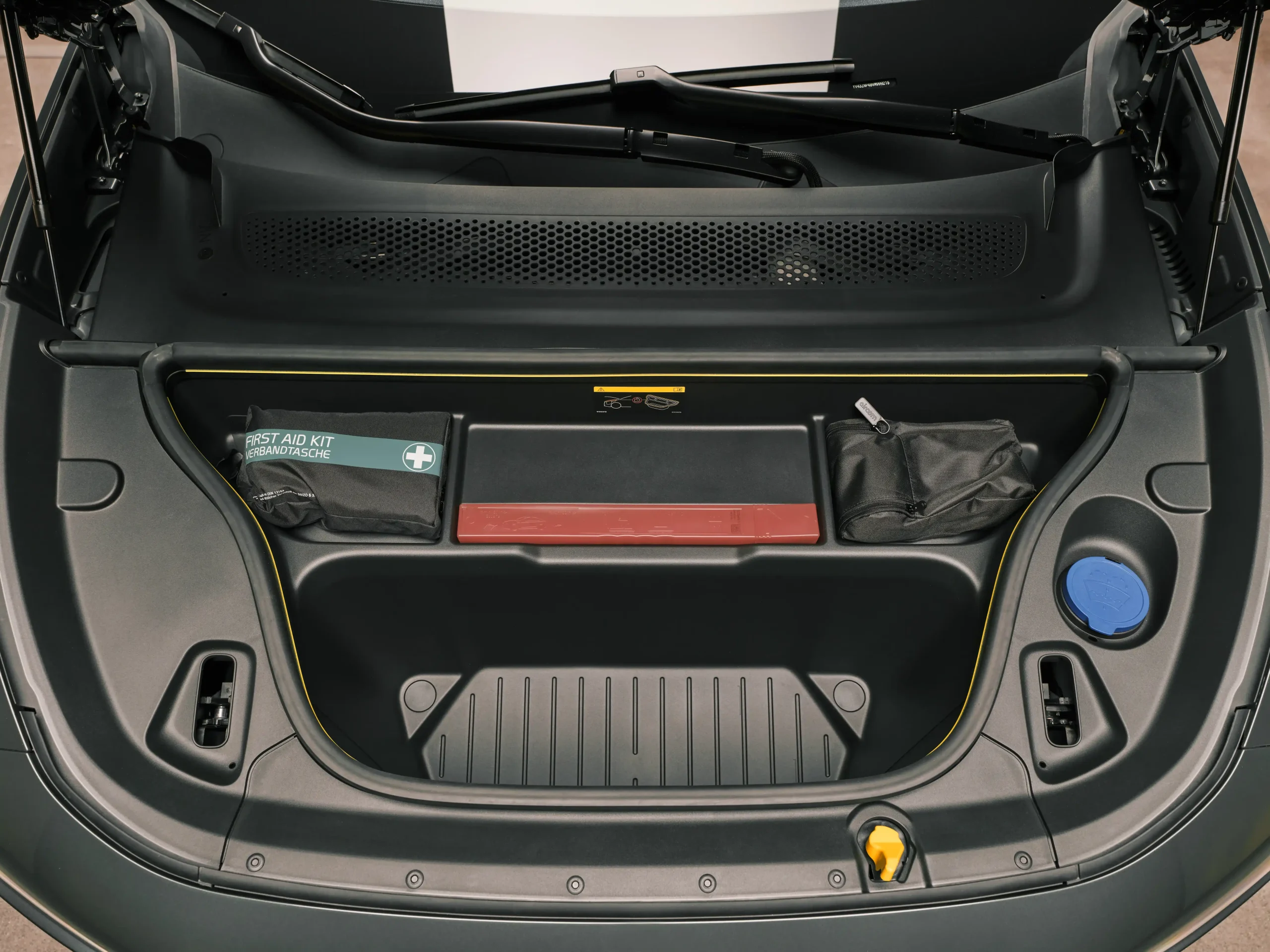
There’s 20.4 cubic feet of cargo space with the rear seats up, 58.2 cubic feet with them folded, and a 3-cubic-foot frunk (which would fit about 80 cabbages, or 220 with the seats folded, as Earl would say).
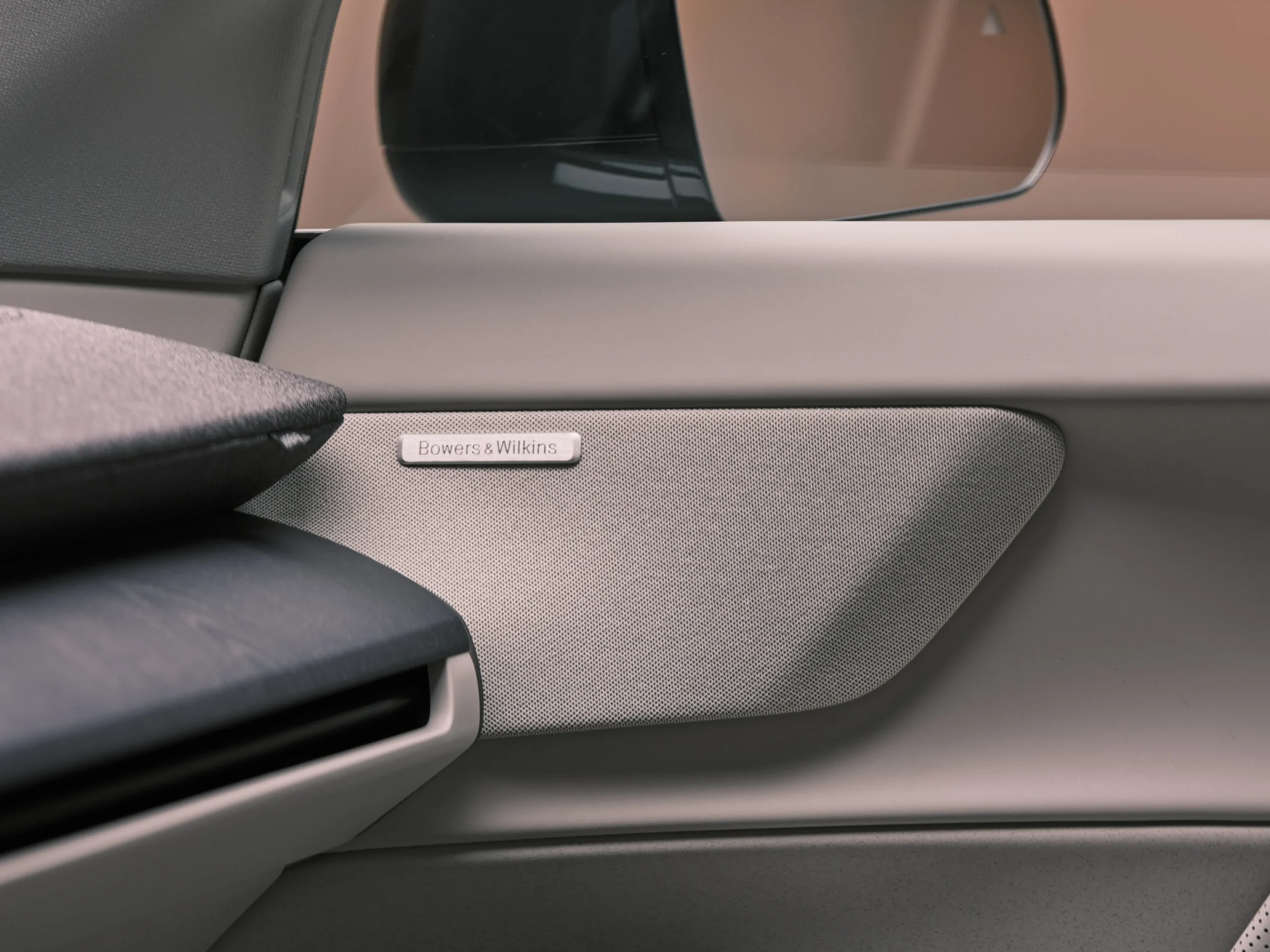
An optional 28-speaker Bowers & Wilkins system with headrest speakers in all four outboard seats will be available, along with Apple Music integration and Dolby Atmos.
Production starts in April 2026 with the P6 and P10 versions, followed by the P12 later in the year.