







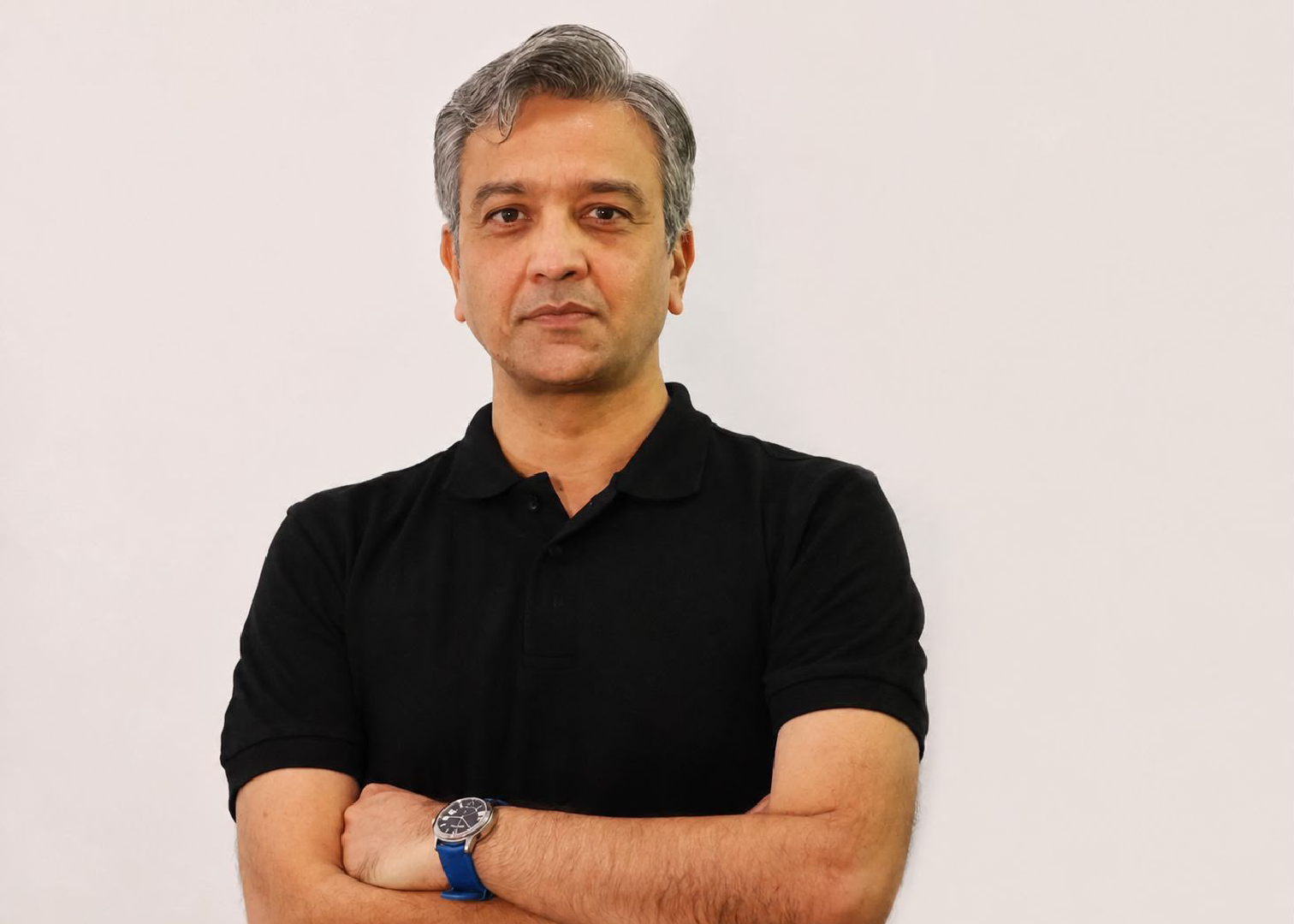
Spiro has appointed Anant Badjatya as Group Chief Executive Officer, bringing in a battery-swapping veteran to steer the company through the most ambitious phase of its expansion since it was founded in 2022.
Badjatya arrives from Indofast Energy, the IndianOil and SUN Mobility joint venture, where he built a network of more than 1,800 battery-swapping stations serving roughly 90,000 vehicles a day.
That operational depth is the precise profile Spiro has brought on board and seemingly needs given the scaling.
READ: Inside Spiro’s Push to Electrify Kenya’s Boda Boda Industry
The appointment follows the company’s landmark $215 million equity raise, backed by Impact Fund Denmark and Equitane, which came just four months after a $50 million debt round, signaling a company moving fast from infrastructure build-out to execution at scale.
Founder and Chairman Gagan Gupta framed the appointment in terms of consolidation, saying,
“Anant will consolidate the Group’s strategic initiatives and guide the company through its next chapter of growth and execution in mobility, energy and tech.”
Spiro has deployed over 100,000 electric motorcycles and built more than 2,500 battery-swapping stations across seven African markets, including Kenya, Uganda, Rwanda, Nigeria, Benin, Togo, and Cameroon.
The company is approaching unicorn status, nearing a valuation of $1 billion, and has set its sights on new markets, including Ethiopia, Malawi, and Mali.
Spiro entered the Kenyan market in 2023, launching in Mombasa before expanding to Nairobi, and by 2026 had deployed more than 16,000 electric motorcycles supported by over 400 battery swap stations across 22 counties.
The company runs a local assembly facility and has committed KES 13 billion toward scaling to 100,000 electric bikes and 1,000 swap stations in the country.
Battery swaps take under five minutes and are accessible through a round-the-clock mobile app, with stations installed at petrol forecourts through partnerships with chains like Petrocity.
The boda boda economy is the engine here. Kenya’s electric motorcycle market crossed 30,000 units in 2025, and the commercial rider segment, not the consumer one, is where the numbers move.
Spiro’s model is built precisely for that: affordable leasing, fast energy access, and infrastructure density that makes switching from petroleum viable.
Badjatya steps into a company that has already proven it can raise capital and build infrastructure. The next test is whether it can hold that infrastructure together across dozens of markets while racing toward a unicorn valuation.
His background suggests Spiro chose someone who has done this before, just not at this scale or on this continent.