




A few years ago, spotting an electric motorcycle in Nairobi or even Mombasa was rare. On most streets, EVs were almost nonexistent, and the idea of a battery-powered boda boda sounded distant if not downright improbable.
Riders had little choice but to rely on petrol bikes, budgeting a large share of their daily earnings for fuel and routine mechanical repairs. Electric alternatives were still largely out of sight and majorly out of reach.
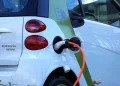
Now in 2026, Kenya’s electric mobility transition has gradually taken shape, led extensively by two-wheelers. Electric motorcycles and bicycles are now driving most of the country’s EV growth, especially in the boda boda and last-mile delivery sectors.
In 2022, electric motorcycles were still rare, with fewer than 1,000 registered nationwide. However, adoption gathered pace over the last 3 years such that by the end of 2025, registered electric motorcycles had climbed to over 30,000.
Electric bicycles and motorcycles are no longer experimental alternatives, given how they’ve been adopted in day-to-day applications and impacted how goods and people move across Kenyan towns and cities.
The Gains to Be Had with eMobility
The economic benefits of electric two-wheelers cannot be understated. For individual boda boda riders, electric motorcycles can cut costs by up to 60% compared to petrol bikes through fuel savings and lower maintenance, directly increasing disposable income and improving livelihoods.
Beyond personal saving, electric bikes have created employment across manufacturing, assembly, and maintenance. At the same time, retraining programs help traditional mechanics transition to servicing electric vehicles, addressing skills gaps from the mostly fuel-led economy.
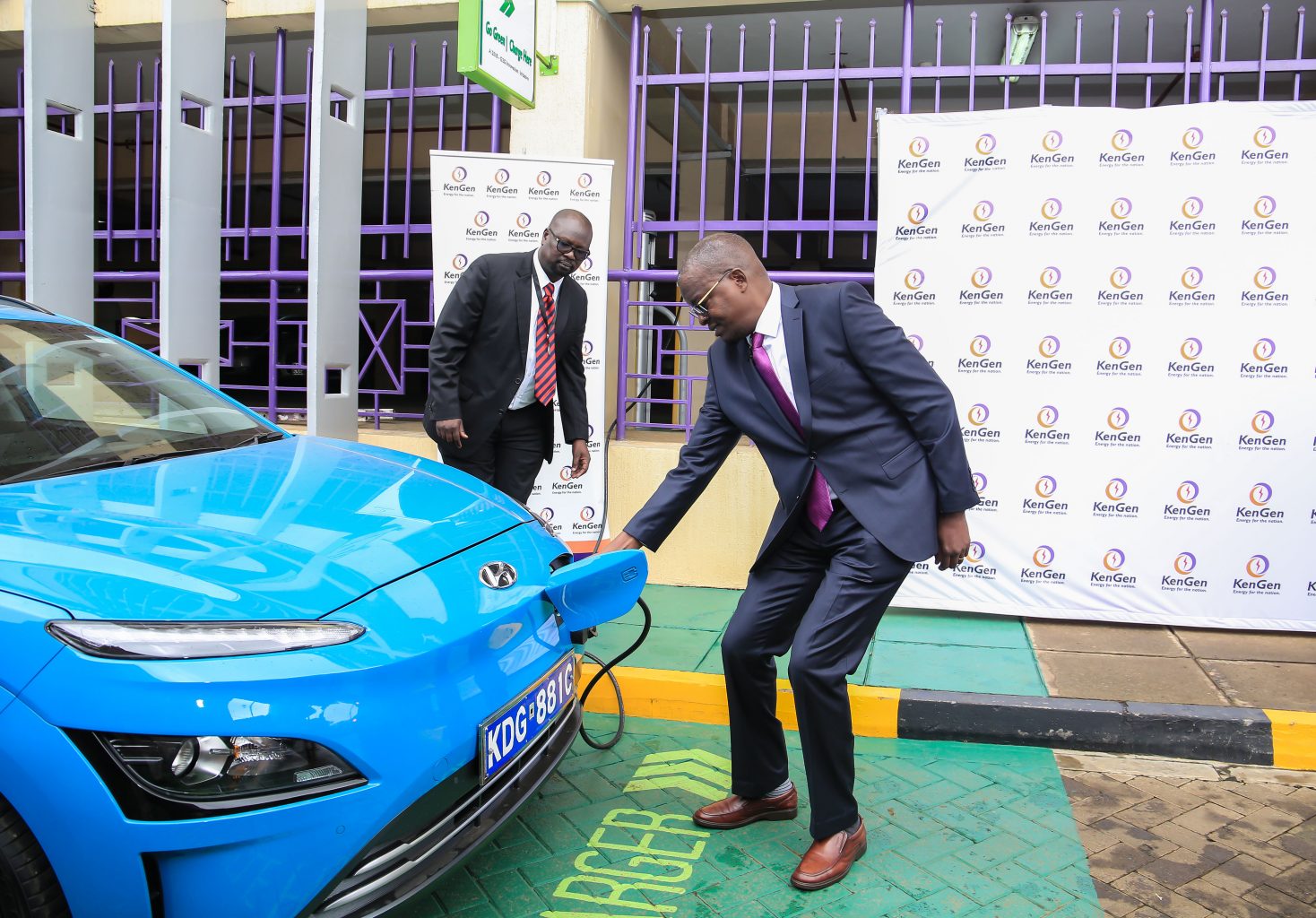
Nationally, the transition aligns strategically with Kenya’s energy infrastructure. With 90% of the country’s electricity coming from renewable sources, the growing demand from EV charging will absorb excess power that was previously wasted during off-peak hours, creating a market and making better use of existing generation capacity.
Let’s also not forget that replacing imported fossil fuels with locally generated renewable electricity can help Kenya reduce its dependence on foreign fuel imports and take a step closer to energy independence.
The two-wheeler electric transition delivers environmental, social, and governance (ESG) benefits across multiple levels. Environmentally, the shift to electric motorcycles will reduce carbon emissions, with the impact growing as more riders make the transition.
Socially, programs providing financing and training help women enter the traditionally male-dominated boda boda sector, bringing about economic independence and more equitable opportunities.
Kenya’s new National E-Mobility Policy has also established a framework for the government and private sector to collaborate on developing standards and policy to ensure the ecosystem remains sustainable throughout its entire lifecycle, addressing potential future environmental challenges.
Spiro: A Case Study
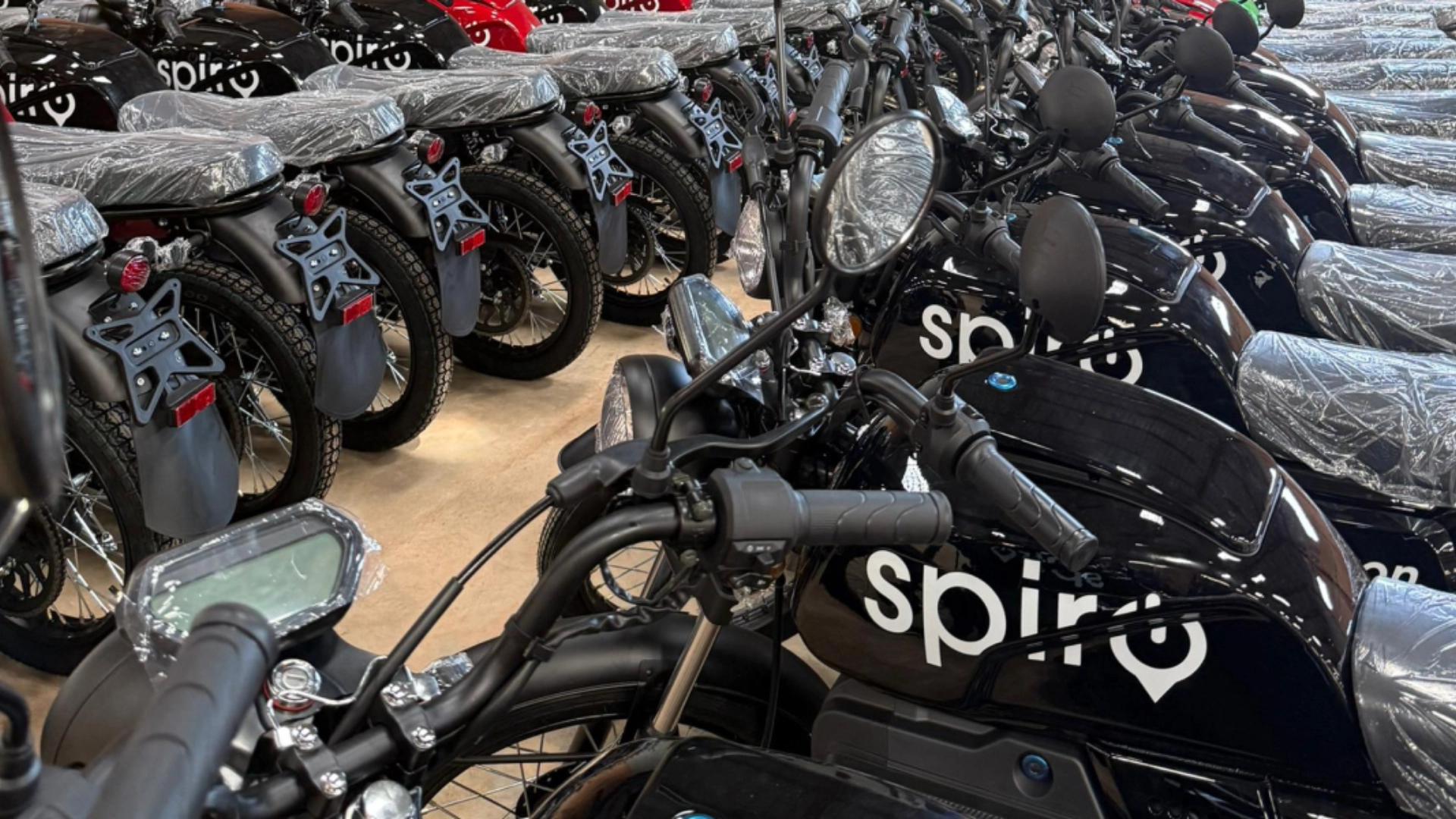
Among the various players in Kenya’s thriving e-mobility sector is Spiro, a company that has grown to become a key player in the EV ecosystem, primarily through rapid scale and partnerships.
Spiro entered Kenya’s electric motorcycle market in 2023, launching in Mombasa before expanding to Nairobi. By September 2025, it had grown its presence to 22 counties.
As of 2026, Spiro has deployed more than 16,000 electric motorcycles, supported by over 400 battery swap stations. The company has committed $100 million (about KES 13 billion) to scale up to 100,000 bikes and 1,000 swap stations, goals that will test its ability to expand at such a rapid pace.
Battery swaps take less than five minutes and are accessed through a mobile app that operates around the clock. The company has installed many stations at existing petrol stations through partnerships with chains like Petrocity, using sites that already have grid connections and steady customer traffic instead of building new locations.

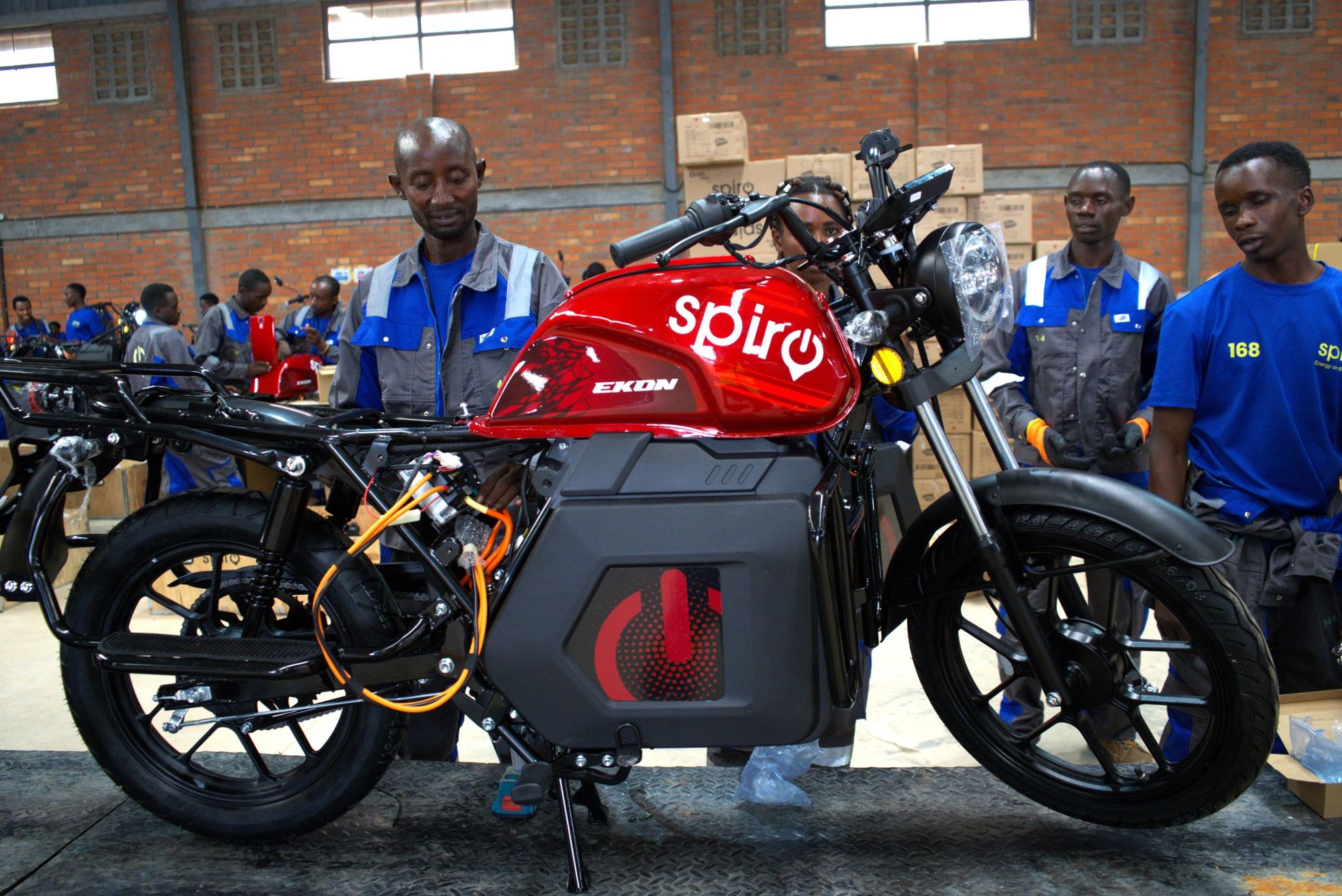
Spiro operates a manufacturing facility in Kenya that assembles electric motorcycles and lithium-ion battery packs from imported components, which reduces shipping costs and creates assembly jobs.
READ: Kenya Gets First Local Electric Vehicle Assembly Plant in Mombasa
According to the company, its operations align with several objectives of Kenya’s National Electric Mobility Policy, which was approved earlier this year. The company runs training programs in collaboration with the National Industrial Training Authority (NITA), retraining traditional mechanics to service electric spare parts.
“Spiro’s model was built for this moment. The policy sets clear transition targets toward 100% zero‑emission new registrations by 2050 and prioritizes rapid adoption in high‑usage segments such as two‑wheelers; our scale deployment of electric motorcycles and battery‑swapping directly advances those targets,” the company told Techweez in an interview.
Spiro has also set up an all-women assembly line at its manufacturing plant and offers financing programs designed to help women, youth, and marginalized groups access electric motorcycles.
The company also told Techweez that it is building partnerships for battery recycling to manage end-of-life batteries, though this infrastructure is still at an early stage.
Implementation Challenges and Priorities
From their operational experience in the country so far, Spiro has identified six critical priorities for effective policy implementation.
Infrastructure challenges top the list. There’s a pressing need to “address low grid reliability, high electricity cost, and limited network reach with tighter coordination among EPRA, KPLC, and KETRACO, to protect battery health and ensure uptime at swapping/charging sites beyond major cities,” Spiro said.
Beyond grid issues, the industry needs clear, phased local content requirements for manufacturing and assembly, enabling companies to invest with confidence in domestic production.
Equally important is to make financing accessible by putting credit guarantees, insurance options, and lower-risk lending in place so that policy incentives translate into real vehicle purchases by riders and fleet operators.
The remaining priorities focus on coordination and awareness gaps that can weaken even well-designed policies. Differences between counties in zoning, public space allocation, and permitting create delays and complications for companies expanding across regions, highlighting the need for greater standardization to streamline operations.
READ: Kenya Rolls Out Green Number Plates for Electric Vehicles
Public education campaigns are also essential to counter misinformation about electric vehicle safety, maintenance, and economics that can slow adoption.
Last but certainly not least, effective governance and policy structures must be established quickly. This means the steering committee, implementation committee, and Technical Working Groups need to be established as soon as possible so the rollout can begin immediately and the policy does not fall behind like many others have.