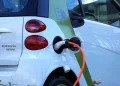






Kenya’s electric vehicle owners now have a new way to show off their eco-friendly rides. Transport Cabinet Secretary Davis Chirchir announced today that all EVs in the country will be issued distinctive green number plates, effective immediately.
The announcement came during the launch of Kenya’s National Electric Mobility Policy at the Kenyatta International Convention Centre in Nairobi, where Chirchir represented President William Ruto.
The green plates will replace the standard reflective plates currently used by the country’s 24,000-plus electric vehicle owners.
READ: Kenya Power Rolls Out 45 EV Charging Stations Across the Country
“All the electric vehicle number plates will now be green, registered in green,” Chirchir said. “This will be the signature for those of us supporting the reduction of carbon footprints.”
The plates cost KES 3,000 to replace, and while there’s no mandate forcing immediate replacement, the government is encouraging EV owners to make the switch progressively.
When asked about specific incentives tied to the green plates, Chirchir simply said, “The plates are good optics for our country.”

The green plate initiative was originally scheduled for 2024 under former Transport CS Kipchumba Murkomen but faced delays. Regular petrol and diesel vehicles will keep their current plates.
The number plate launch coincides with Kenya’s broader push into electric mobility. The National Electric Mobility Policy sets an ambitious target of having EVs account for at least 5% of all newly registered vehicles by 2025, with a long-term vision of full electrification and net-zero emissions by 2050.
READ: Kenya Secures KES 22 Billion Funding from Japan to Power EV Expansion
Kenya has some natural advantages in this space. About 90% of the country’s electricity comes from renewable sources like geothermal, wind, and hydropower, making it one of the cleanest grids in the region.
The Energy and Petroleum Regulatory Authority has introduced a special e-mobility tariff with lower off-peak rates to make overnight charging more affordable.
The government is backing up the policy with real incentives such as reduced import duties on electric vehicles, tax relief on batteries and charging equipment, and plans to expand public charging infrastructure in major cities including Nairobi, Mombasa, and Kisumu.
New building guidelines will also require commercial developments to dedicate parking spaces to EV charging.
Kenya plans to lead by example, adding roughly 1,000 electric vehicles to its public service fleet annually. The transport sector currently contributes about 25% of global greenhouse gas emissions, and Kenya has committed to cutting its overall emissions by 32% by 2030.