




It is now clear that both the public and private transport sectors in Kenya have played a major role in the growth of the electric vehicle (EV) industry.
Through business initiatives and supportive policies, they have helped position the country as a regional leader in the shift to electric mobility.
Kenya has secured a major loan of 25 billion Japanese yen (about KES 22 billion) from Japan, with a repayment period of seven years.
The government plans to distribute the funds across several sectors, including KES 14 billion for the Ministry of Investment, Trade and Industry and ~ KES 5 million for the Ministry of Energy.
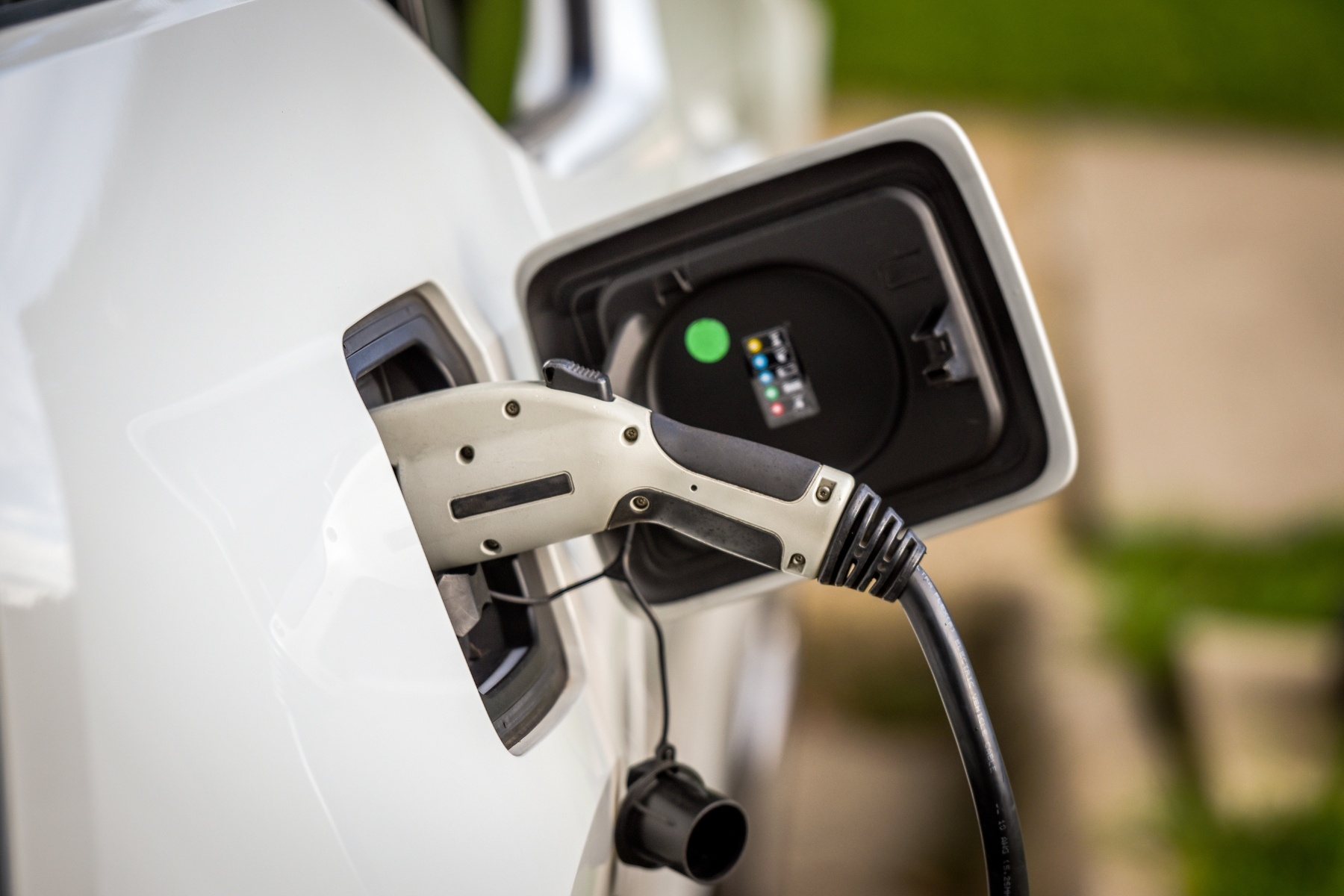
Both cabinet departments are set to receive funding to boost the local EV manufacturing industry, reduce reliance on imported used cars, and upgrade the national electricity grid to accommodate the demand for charging stations across the country.
This includes installing high-efficiency transformers to cut transmission and distribution losses. The remaining funds will then be allocated towards general budget support to strengthen fiscal stability.
When it comes to the private sector, the market has witnessed a growth in capital funding for locally owned electric vehicle companies to boost production and operations across the country and beyond.
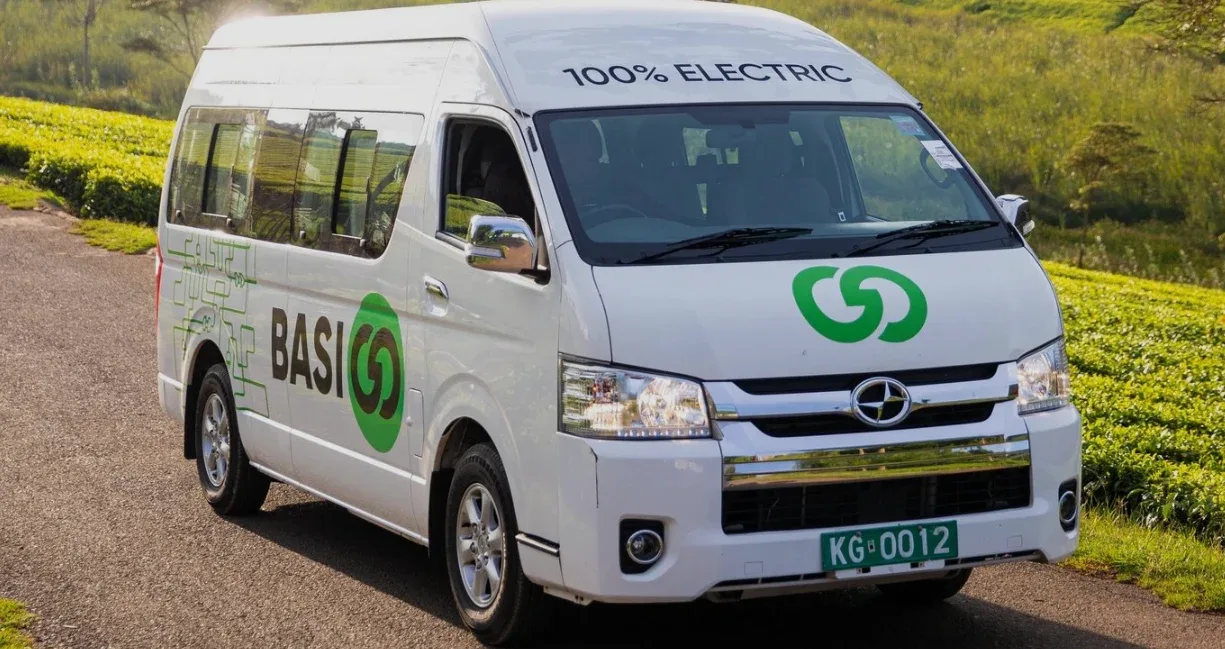
BasiGo is the best example of this. The company recently raised KES 5.5 billion to support its goal of deploying 1,000 electric buses across East Africa. It has also partnered with local long-distance travel Saccos to supply them with electric vans.
Roam, a local manufacturer of electric bikes and buses, was also able to raise KES 3.1 billion in Series A funding to boost production of its fleet in the country.

As far as policy is concerned, the Kenyan government has expressed its commitment to introducing laws and incentives that favour the EV sector. This includes the introduction of reduced import duties and waived VAT on EVs, making electric vehicles more affordable to consumers.
The country’s power supplier, Kenya Power, has also unveiled its plans to install 45 new EV charging stations across six counties in the next year.
Between 2018 and 2023, EV registrations rose from just 65 units to 4,047, accounting for 1.62% of all vehicle registrations in 2023. The government aims to raise this share to 5% by 2025. By December 2024, the national EV fleet had grown to around 9,000 vehicles, including both cars and motorcycles. Forecasts suggest that by 2030, three out of every ten new vehicles sold in Kenya will be electric.
However, some key challenges remain, such as the need to expand infrastructure quickly, keep costs affordable, and maintain consistent regulation. Even so, through its policy direction, financing strategies, and entrepreneurial spirit, Kenya is steadily positioning itself as a leading hub for electric mobility in East Africa.