




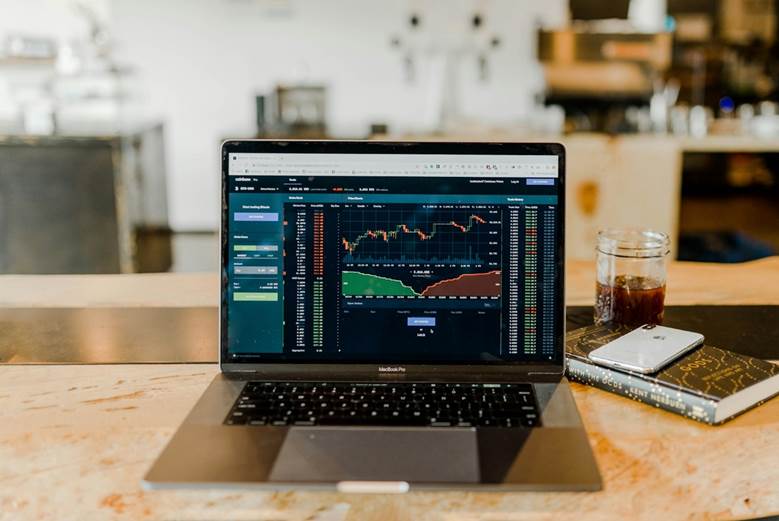
Kenya has witnessed an impressive rise in the number of retail traders entering the forex market. Once considered an activity reserved for professionals with deep pockets, forex trading is now accessible to ordinary people thanks to micro accounts. These accounts allow traders to start small, practice strategies, and build confidence without risking large sums of money. For many Kenyans, this approach has made forex an attractive alternative for income generation and financial independence.
Why Micro Accounts Appeal to Kenyans
One of the reasons for the rapid adoption of micro accounts is the growing awareness of regulated brokers and accessible platforms. Many Kenyan beginners learn about forex through online communities, social media, and peer discussions. In this journey, HFM is often mentioned as a forex broker that provides entry-level options for individuals who want to explore trading with manageable amounts.
This mention reflects the broader shift toward platforms that make forex trading less intimidating. Micro accounts give traders the freedom to engage with the global market while keeping risks low. For a country where many young professionals balance side hustles with formal employment, micro accounts provide an opportunity to grow skills without heavy financial pressure.
Understanding Forex Micro Accounts
Forex micro accounts are designed to let traders operate in smaller trade sizes compared to standard accounts. Instead of trading one full lot, a micro account allows positions as small as 0.01 lots. This reduced size lowers both the required margin and the potential risk per trade.
For Kenyans who may not have large disposable incomes, this setup is ideal. It makes it possible to participate in live trading conditions with less stress and more flexibility. Micro accounts are particularly useful for beginners who want to practice money management in real markets rather than only in demo environments.
Accessibility and Affordability
A major factor driving micro account popularity in Kenya is affordability. With relatively low minimum deposits, these accounts open doors for university students, recent graduates, and small business owners who want to explore forex. The ability to start with limited capital encourages more participation, which has contributed to the growing forex community across cities like Nairobi, Kisumu, and Mombasa.
Accessibility has also improved because of mobile-friendly platforms. Kenyan traders can monitor markets and place trades directly from their smartphones. This convenience has further boosted interest in forex since it aligns with the country’s already high level of mobile money and mobile banking usage.
Learning by Doing
Micro accounts serve as a bridge between demo accounts and standard trading. While demo accounts are useful for learning how to place trades, they do not reflect the psychological pressures of real money on the line. Micro accounts allow Kenyans to trade with actual funds, even if in small amounts.
This experience helps new traders understand the importance of discipline, stop losses, and realistic profit targets. It also teaches them how to manage emotions, which is often the hardest part of trading. By the time they progress to larger accounts, many already have a foundation of practical knowledge that supports long-term success.
The Kenyan Trading Community and Peer Learning
Kenya has an active online trading community where traders share insights, strategies, and experiences. Micro accounts play an important role in this ecosystem because they make it easier for members to compare real results. Traders often post screenshots of trades, explain their setups, and encourage others to experiment with similar approaches on micro accounts.
This culture of peer learning supports the growth of more disciplined traders who can eventually scale up. It also helps reduce the stigma once associated with forex as a risky gamble, shifting the focus toward education and practice.
Challenges New Traders Should Be Aware Of
While micro accounts offer many advantages, they are not without challenges. Kenyan traders must still be cautious about overtrading or chasing unrealistic profits. Because positions are smaller, there may be a temptation to open too many trades at once, which can still lead to losses.
It is also important to remain aware of broker fees, spreads, and leverage. Even small trades can accumulate costs over time if not managed carefully. The key lesson is that micro accounts are a training ground and not a guaranteed path to quick wealth.
Broader Economic Impact in Kenya
The rise of forex micro accounts has broader implications for Kenya’s economy. More people are gaining exposure to global financial markets, which encourages financial literacy. Traders become more aware of concepts such as risk, return, and capital management. This knowledge often influences how they handle personal and business finances beyond forex.
The popularity of forex also supports local fintech growth, as companies respond by offering better internet services, secure payment options, and digital learning platforms. In the long run, this contributes to Kenya’s position as a leading financial hub in East Africa.
The Road Ahead
Looking forward, the trend of micro accounts is likely to expand further as internet penetration and financial education increase. More Kenyan brokers and educators are likely to develop tailored training resources for micro account traders. As the community matures, traders who start small today may evolve into professionals capable of handling larger portfolios in the future.
For the next generation of Kenyan traders, micro accounts represent more than just smaller positions. They symbolise opportunity, growth, and empowerment in a global financial system that was once out of reach.
Conclusion
Forex micro accounts are transforming the way Kenyans enter the trading world. By lowering barriers to entry, they provide a safe and practical space for learning, experimentation, and gradual growth. While challenges exist, the benefits of affordability, accessibility, and hands-on experience far outweigh the risks. For new traders in Kenya, micro accounts are more than a stepping stone, they are the foundation of a trading journey that can lead to financial independence and global market participation.