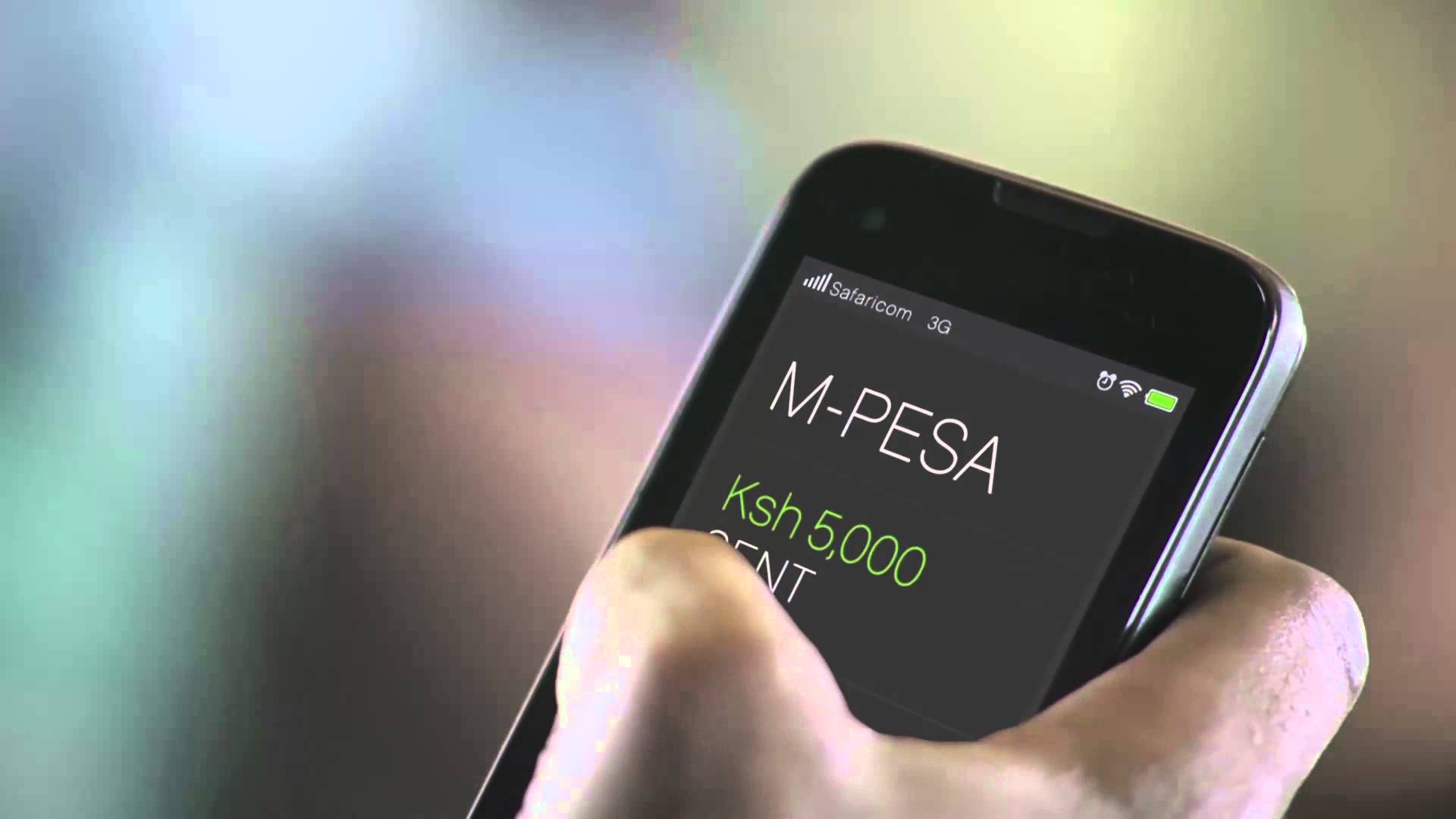






Safaricom’s M-Pesa Ethiopia launched a new app called M-Pesa Lehulum on December 1 that works across any mobile network. Days later, users on Ethio Telecom’s mobile data network reported they couldn’t access it.
M-Pesa Ethiopia said customers using Ethio Telecom’s mobile data were unable to log in, complete transactions, or retrieve funds. The company said it filed a service interruption notice with the National Bank of Ethiopia and is working with regulators to resolve the issue.
The app apparently works on Wi-Fi and other connections, just not on Ethio Telecom’s mobile data specifically. Ethio Telecom has not commented publicly on the situation.
What Is M-Pesa Lehulum and What Does It Do?
M-Pesa Lehulum breaks from the traditional model in Ethiopia, where mobile money services are tied to specific telecom networks.
Users can download the app, register with any phone number, and verify their identity through Ethiopia’s Fayda Digital ID system to access services like money transfers, bill payments, airtime purchases, QR payments, and short-term loans.
The app connects to ETHSwitch, Ethiopia’s national payment network, enabling transfers between banks and digital wallets. Both the National Bank of Ethiopia and the Information Network Security Administration approved the platform before launch.
When you look at the numbers involved, Ethio Telecom has over 80 million subscribers out of Ethiopia’s roughly 130 million population, while Safaricom Ethiopia has 11 million subscribers.
In mobile money, the gap is even wider. Ethio Telecom’s Telebirr service has around 30 million users. M-Pesa Ethiopia had 3.4 million active users as of September, though that number is up 174.8% year over year.
Between April and September, M-Pesa Ethiopia processed 12.3 billion Ethiopian birr (~ KES 10 billion) in transactions.
Ethio Telecom operates multiple services beyond telecommunications, including mobile money, e-commerce platforms, food delivery, ride-hailing, and card payment systems.
A July 2025 World Bank report noted that Ethio Telecom maintains significant market power and identified structural advantages that can disadvantage new competitors, from infrastructure access to pricing practices.
Ethiopia has been gradually opening its telecom sector after decades of state monopoly. The government allowed Safaricom to enter the market in 2022 as part of broader economic reforms, including recently permitting foreign banks to operate in the country for the first time in 50 years.
Safaricom launched voice and data services in Ethiopia in 2022 and added M-Pesa in 2023. However, it’s been a pricey venture. Safaricom Ethiopia lost $325 million in fiscal 2024 on $53.6 million in revenue.
READ: Safaricom Ethiopia M-PESA Revenue Plunges 64% Despite Customer Growth
Recent half-year results showed improvement with losses cut to $103 million, but the company isn’t expected to break even until 2027.
The Lehulum app is an attempt to expand M-Pesa’s reach beyond Safaricom’s own subscriber base. Without access through Ethio Telecom’s mobile data network, that strategy faces obvious limitations.
What Are The Regulators Saying?
The Ethiopian Communications Authority confirmed it’s aware of the situation but said financial technology regulation falls under the National Bank of Ethiopia’s authority. Neither regulator has announced a resolution.
M-Pesa Ethiopia’s public statement emphasized that it operates as a standalone legal entity with proper regulatory approval under a Payment Instrument Issuer license.
The company suggested the restrictions raise questions about net neutrality and interference with legally approved operations.
READ: Safaricom Ethiopia Five-Month Report Card
For users who deposited money into M-Pesa Lehulum accounts and rely on Ethio Telecom’s mobile data, the immediate problem is they can’t access their funds through their primary internet connection.
Cash still dominates in Ethiopia, accounting for over 95% of transactions. Digital financial services are supposed to expand financial inclusion by bringing more people into the formal economy, but that depends on infrastructure being accessible to competing services.