





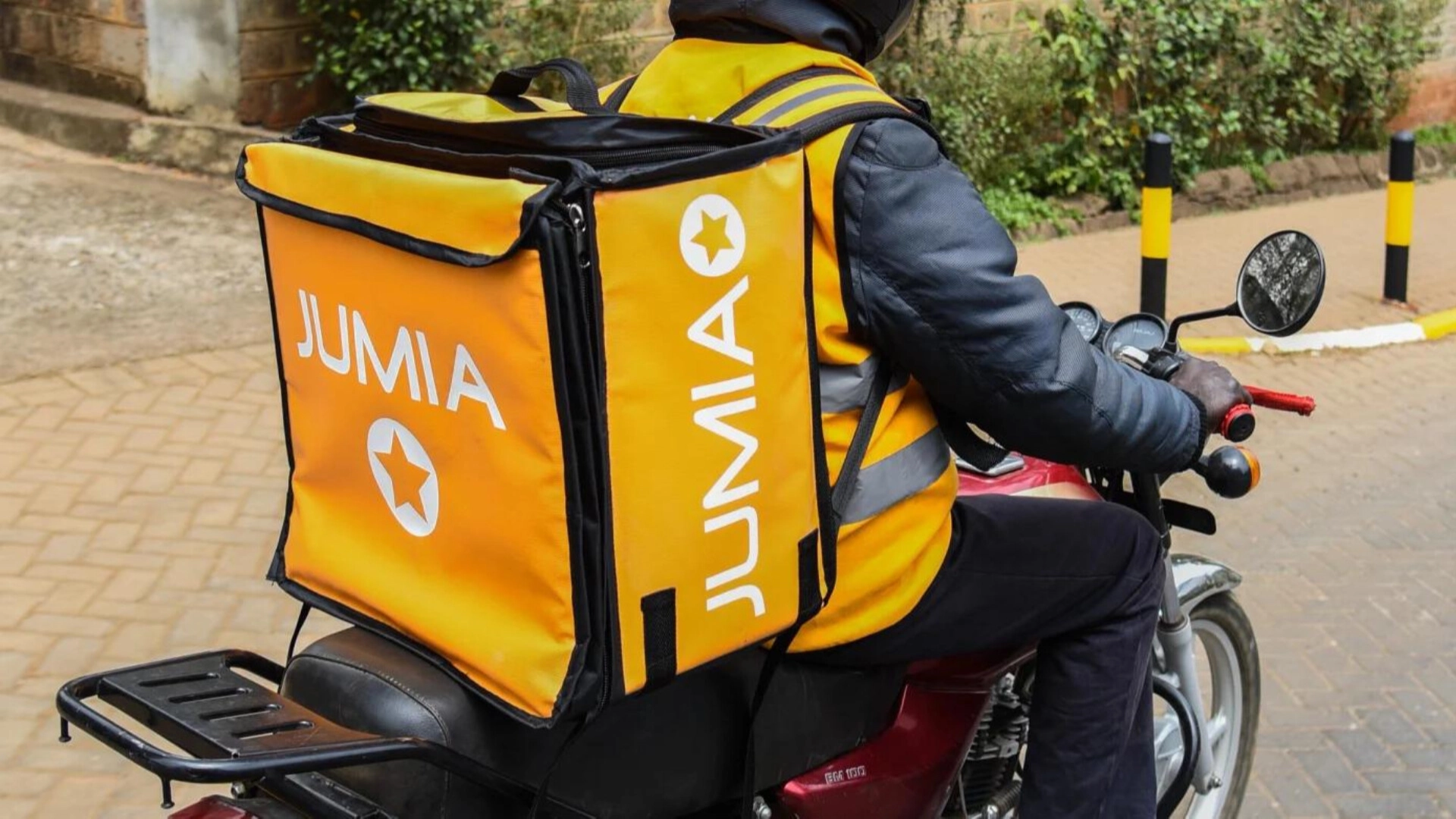
Jumia just closed the fourth quarter of 2025 with numbers that suggest its brutal pivot toward profitability might actually work.
The pan-African e-commerce platform posted $279.5 million in GMV (gross merchandise value – total value of all goods sold), up 36% year-over-year, while slashing its quarterly cash burn from $30.6 million to $4.7 million.
The company’s operating loss dropped 39% to $10.6 million, and adjusted EBITDA (Earnings Before Interest, Taxes, Depreciation, and Amortization) loss fell 47% to $7.3 million.
More importantly, net cash used in operating activities plummeted from $26.5 million in Q4 2024 to just $1.7 million this quarter. That’s the kind of improvement that determines whether you’re still around in two years.
How Jumia Achieved This
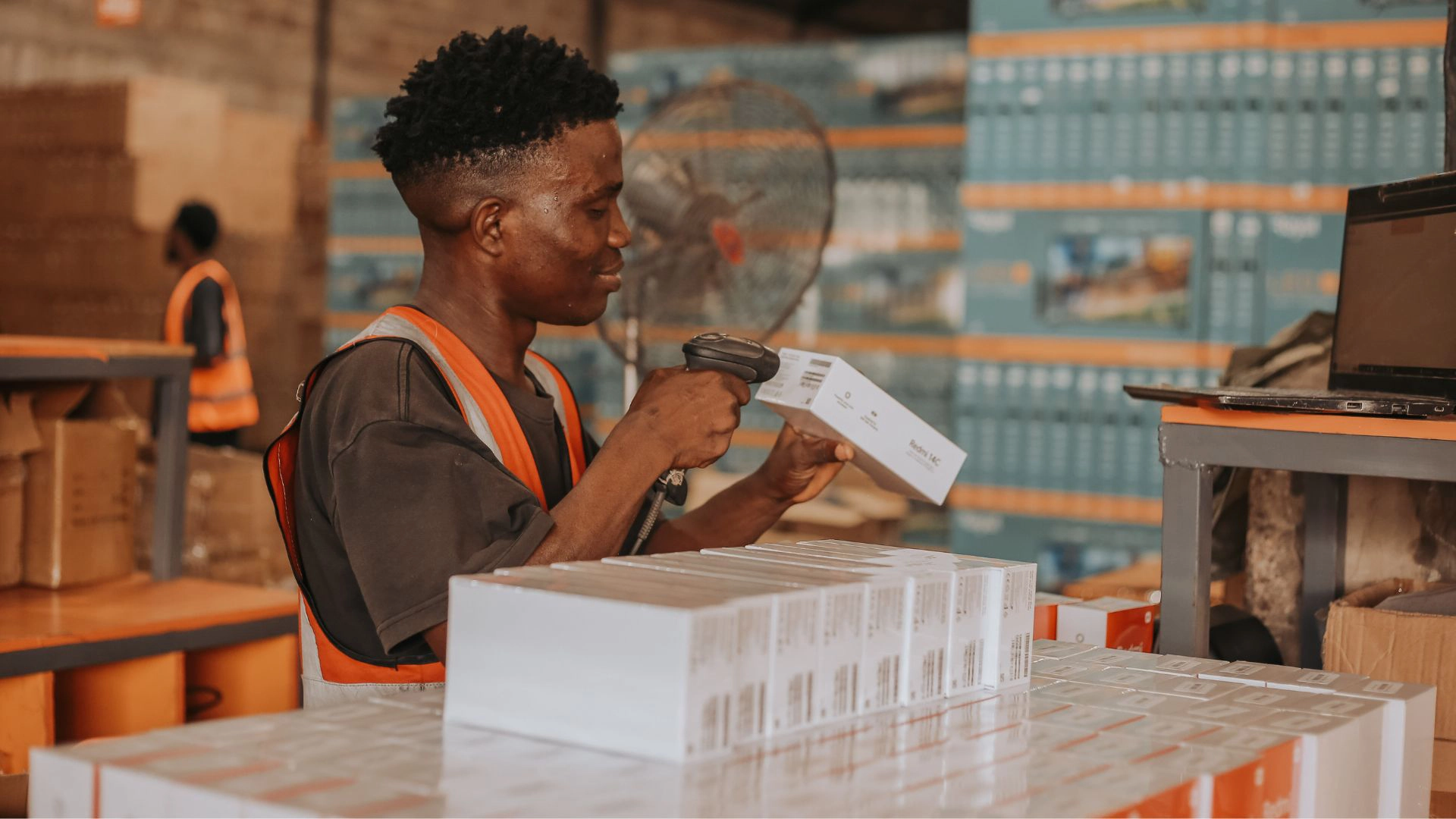
Jumia was able to post such numbers due to a considerable infrastructure overhaul. The company’s fulfillment cost per order dropped 20% year-over-year in constant currency to $1.97, driven by automation in call centers and better rates negotiated with logistics partners.
When you’re moving 7.5 million physical goods orders per quarter (up 32%), that per-unit efficiency compounds fast.
The company opened a new office in Yiwu, China (the world’s largest small commodities market), to strengthen direct sourcing. This is already showing results as gross items sold from international sellers jumped 82% year-over-year.
By cutting out intermediaries and sourcing directly from Chinese manufacturers, Jumia can offer competitive pricing while maintaining better margins.
Their new retail advertising platform is generating early traction, with sponsored products revenue up 33% year-over-year, though at just 1% of GMV, there’s a lot of headroom compared to mature e-commerce platforms that typically see 3-5%.
Nigeria and the Secondary Cities Strategy
Nigeria delivered incredible performance with orders up 33% and GMV up 50%, which is a big deal because it represents Jumia’s largest single market by volume.
However, the more interesting data point is that orders from secondary cities (what Jumia calls “upcountry” regions) now represent 61% of total orders, up from 56% a year ago.
This geographic expansion into Tier 2 and Tier 3 cities is technically challenging since infrastructure is worse, delivery times are longer, and customer acquisition costs can be higher.
But these markets also have less competition and represent the bulk of Africa’s population. Successfully cracking this requires localized logistics networks and payment solutions that work in cash-heavy economies.
The Hard Cuts
Jumia exited South Africa and Tunisia in late 2024 and just announced it’s pulling out of Algeria (which accounted for 2% of GMV). The company’s total headcount is down 7% year-over-year to 2,010 employees.
READ: Axian Telecom Is Plotting a Full Buyout of Jumia
Technology and content expense dropped 8% in constant currency through headcount optimization and renegotiated vendor contracts.
These aren’t feel-good moves, but they’re necessary. The company burned through $56.1 million in cash during 2025 (versus gaining $13.4 million in 2024, which included a $94.7 million capital raise).
At their current liquidity position of $77.8 million, every dollar of cash burn matters.
The Path to Breakeven
The company is guiding for 27-32% GMV growth in 2026 and expects adjusted EBITDA breakeven in the fourth quarter of 2026, with full-year profitability in 2027. That’s an aggressive timeline given they’re still burning $50.5 million annually on an adjusted EBITDA basis.
The first quarter of 2026 will see higher cash outflows due to seasonality, annual contract renewals, and one-time costs from the Algeria exit. But if the Q4 2025 trajectory holds, where they only used $1.7 million in operating cash flow, the math on reaching breakeven becomes plausible.
Jumia operates in markets with challenging infrastructure, fragmented payment systems, and highly variable regulatory environments. They’ve had to build or integrate everything from last-mile delivery to mobile payment gateways to seller onboarding systems.
The fact that fulfillment cost per order is dropping while volumes scale suggests the core platform infrastructure is finally maturing.
READ: Rural Kenya Now Leads Kenya’s Online Purchases, Jumia Reports
The company reduced tech and content expenses while actually improving performance metrics, the very definition of operational leverage. Their 82% growth in international seller items shows the marketplace flywheel is starting to spin faster.
More selection attracts more customers, which attracts more sellers, which improves unit economics.
Whether Jumia hits their Q4 2026 breakeven target depends on macro factors beyond their control, including currency stability, inflation, and consumer spending in their markets.
Even so, for the first time in years, the technical and operational foundation looks solid enough to support profitable growth if those external conditions cooperate. That’s not nothing for e-commerce in Africa.