




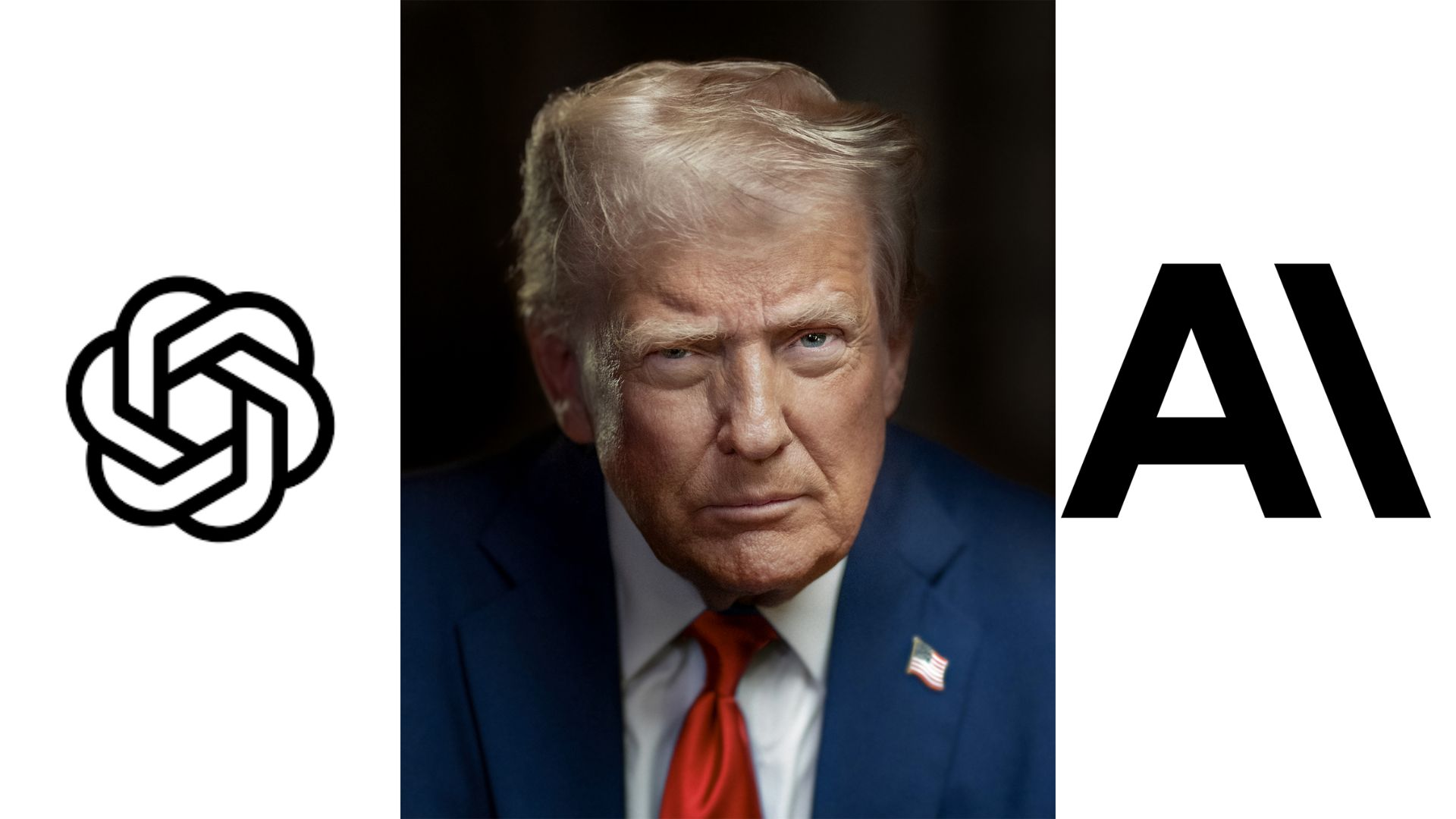
In what may be the most consequential moment for the American AI industry to date, the Trump administration has effectively banned one of the country’s most prominent AI companies from doing business with the federal government while simultaneously throwing its full weight behind a rival firm.
At the center of the dispute is Anthropic, the company behind the AI chatbot, Claude. The Department of Defense, now renamed the Department of War under the current administration, reportedly sought unrestricted access to Anthropic’s technology, a request its chief executive, Dario Amodei, is said to have declined.
The company sought written guarantees that its AI would not be deployed to conduct mass surveillance of American citizens and that it would not be used in weapons systems capable of making life-or-death decisions without a human authorizing them.
To most observers, these might appear to be reasonable requests but to the current American administration, they were nothing short of insubordination.
President Donald Trump, in remarks that circulated widely online, dismissed Anthropic as “radical left” and “woke,” suggesting that their refusal to cooperate posed a direct threat to the safety of American troops.
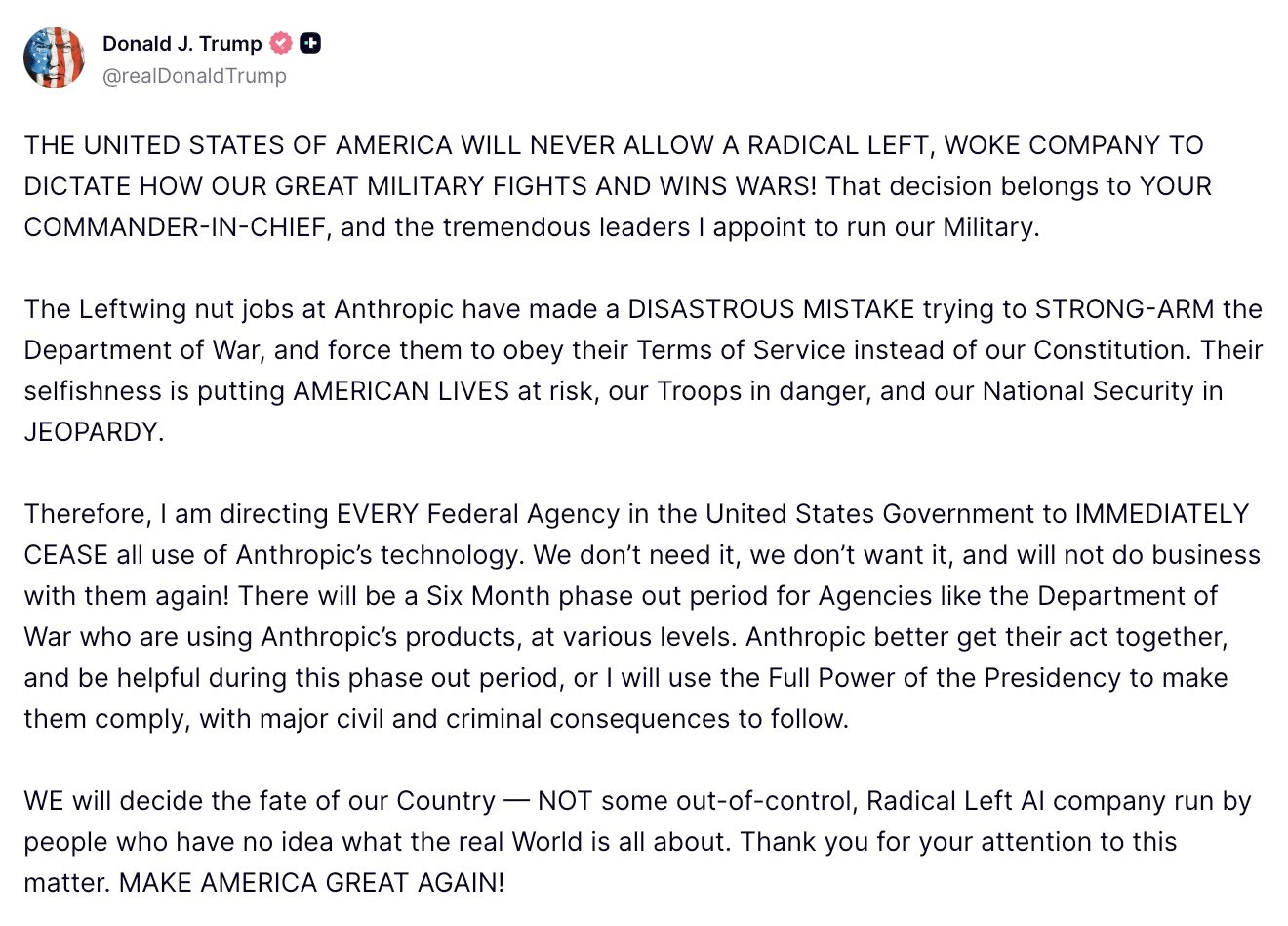
The White House then ordered all federal agencies to immediately stop using Anthropic products. Defense Secretary Pete Hegseth went further by officially labeling the company a “supply chain risk to national security” on X.
This legal label is usually used for foreign adversaries, such as hostile governments or overseas firms suspected of espionage or sabotage. It has never before been used against a US-based technology company.
All government agencies are now banned from buying or using Anthropic services. The restriction also goes beyond the public sector, as any private company with a government contract is effectively barred from using the company’s technology in its operations.
Within hours of the announcement, OpenAI, a longtime rival to Anthropic, emerged as the clear beneficiary. CEO Sam Altman said the company had reached an agreement with the Department of War to deploy its models across the Pentagon’s classified networks, with OpenAI staff working directly inside military facilities.
Altman said that an agreement was reached with the Department of War to deploy the company’s models on its classified network. He added that the department showed strong respect for safety and accepted principles such as banning domestic mass surveillance and keeping humans responsible for the use of force.
He also said the company would add technical safeguards to its systems and restrict deployments to cloud networks. Whether those safeguards will hold, and who will be responsible for enforcing them, remains an open question.
What remains stubbornly unanswered is what, precisely, the government intends to do with the technology once it has it. The US Congress has so far played no meaningful role in shaping these arrangements.