




Olympic Esports: Are Video Games Finally Getting Their Rings?
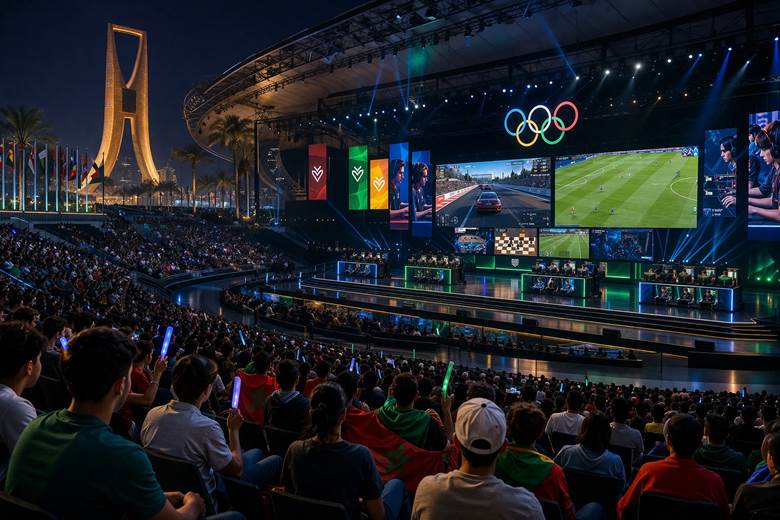
For years the conversation about esports and the Olympics stayed theoretical. Then 2025 arrived and the IOC ran its first dedicated Olympic Esports Games in Saudi Arabia – not a side event, not a pilot experiment tucked into a closing ceremony. A full competition, twelve titles, national delegations, IOC backing. That’s a meaningful line crossed.
Morocco’s gaming community noticed. The country has one of the youngest demographic profiles in the Arab world, with a median age around 29, and urban centres like Casablanca, Rabat, and Marrakech have seen internet café culture evolve steadily into home gaming setups and mobile-first competition. The infrastructure isn’t uniform, but the appetite is real and growing fast.
People who track sports and competitive gaming activity through https://1mlnbet.com/ar/ have noticed consistent growth in Moroccan engagement with esports content, particularly around FIFA, EA FC, and mobile titles that dominate North African play patterns. Digital platforms like that cover live events and digital competitions across the region.
What the IOC actually approved and what it didn’t
The 2025 event wasn’t a free-for-all. The IOC drew clear lines early. Approved titles spanned five categories:
- Racing: Gran Turismo featured prominently.
- Sports simulation: EA FC and similar titles with real-sport parallels.
- Mental sports: Chess, which has a dedicated competitive following across North Africa.
- Fighting games: With restrictions on realistic violence.
- Mobile: The category with the highest global reach, especially in markets like Morocco.
The notable absences matter as much as the inclusions. Counter-Strike, Valorant, Call of Duty are off the table entirely. These are the titles with the largest competitive audiences globally. The IOC’s position on realistic violence in games is firm, and it hasn’t shifted despite pressure from the esports industry. For Moroccan players whose competitive experience is often built around exactly those titles, the approved list feels curated for a different audience.
Does Olympic validation actually matter here
The honest answer in a Moroccan context is: partially. For younger players who grew up watching the Olympics as a legitimate prestige benchmark, IOC recognition carries weight. Parents who remain sceptical about competitive gaming as a career path respond differently when the Olympics are part of the conversation.
But the existing esports ecosystem doesn’t need five rings to function. Regional tournaments, Arab championship circuits, and internationally streamed competitions already provide competitive structure and growing prize pools. The Moroccan national team has participated in Arab esports events without waiting for Olympic validation to make it meaningful.
What Olympic inclusion does unlock is funding. National sports federations in Morocco, operating under the Ministry of Youth and Sports, have access to public funding streams tied to Olympic recognition. If esports secures that status formally, youth development programmes, coaching frameworks, and dedicated training infrastructure become genuinely possible at a national level, not just in private clubs in Casablanca.