




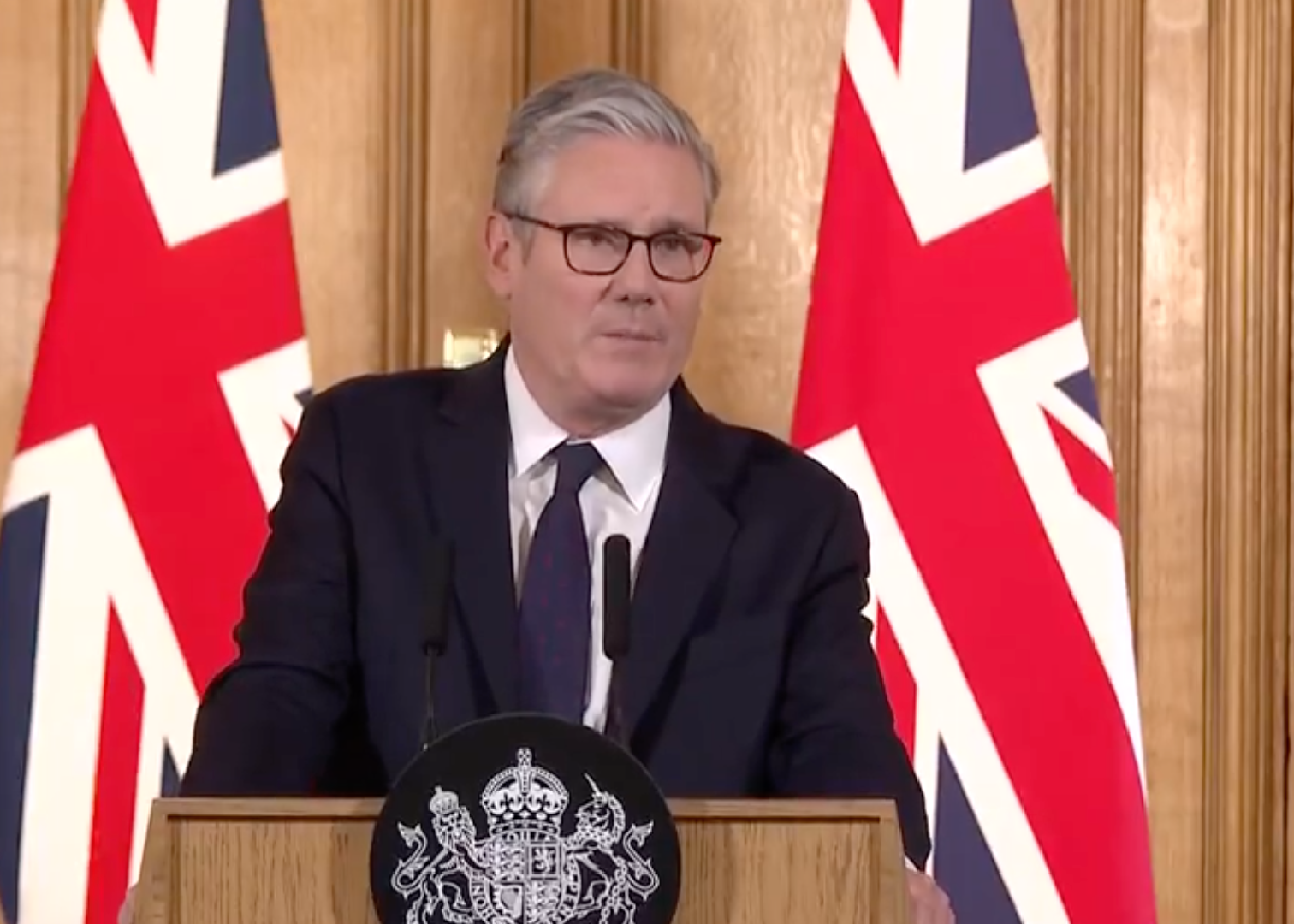
The UK has moved from weighing its options to making a call as Prime Minister Keir Starmer announced that Britain will ban children under 16 from using social media. He described it as a big moment for the country and pledged to fight back if technology companies resist the move.
The ban will apply to platforms including Snapchat, TikTok, YouTube, Instagram, Facebook, and X, but not messaging services like WhatsApp and Signal. Starmer added that the government will also move to stop strangers from contacting children on gaming and livestreaming platforms.
This is a significant escalation from where things stood in January, when we covered the UK government’s consultation on restricting addictive design features like infinite scroll and notification streaks.
That process was framed as an open question, with ministers canvassing parents and young people on what form any regulation might take. Today’s announcement is the answer.
Starmer acknowledged the ban won’t be easy, pushing back against what he called the “learned helplessness” that tech platforms promote when they argue their grip on users is simply too entrenched to regulate.
“Government is about choices, and it’s clear to me that a full ban is the right choice.”
He added that the government hopes to pass regulation before Christmas, with enforcement expected to follow around spring 2027.
The policy follows a growing number of countries using age limits to control access to online platforms. Australia was the first to introduce such a ban in December 2025, blocking users under 16 from platforms including TikTok, Instagram, YouTube, Snapchat, X, and Facebook.
The companies are also responsible for enforcing the rules and could face fines of up to AUD $50 million if they fail to comply.
READ: France Moves to Ban Social Media for Kids Under 15
Spain, Greece, and Slovenia have since announced they plan similar bans, while Canada, Brazil, and Indonesia have also introduced legislation or announced comparable restrictions.
Starmer said the UK measures could possibly go a bit further than Australia’s approach. What that means in practice will depend on how the government structures enforcement, including what verification systems platforms will be required to deploy to confirm users’ ages.
The earlier consultation showed that the UK is looking at how platforms are built, not just who can use them. Limiting infinite scroll and similar features would mean regulating how platforms are designed to capture attention, an approach that some US states are already exploring through warning label rules.
For tech companies, the direction of travel is now unmistakable. Governments that spent years framing child online safety as primarily a content moderation problem are increasingly treating it as a design and access problem.
Platforms that have resisted age verification on privacy and practicality grounds are likely to face mounting legal pressure to make it work or absorb the fines.