




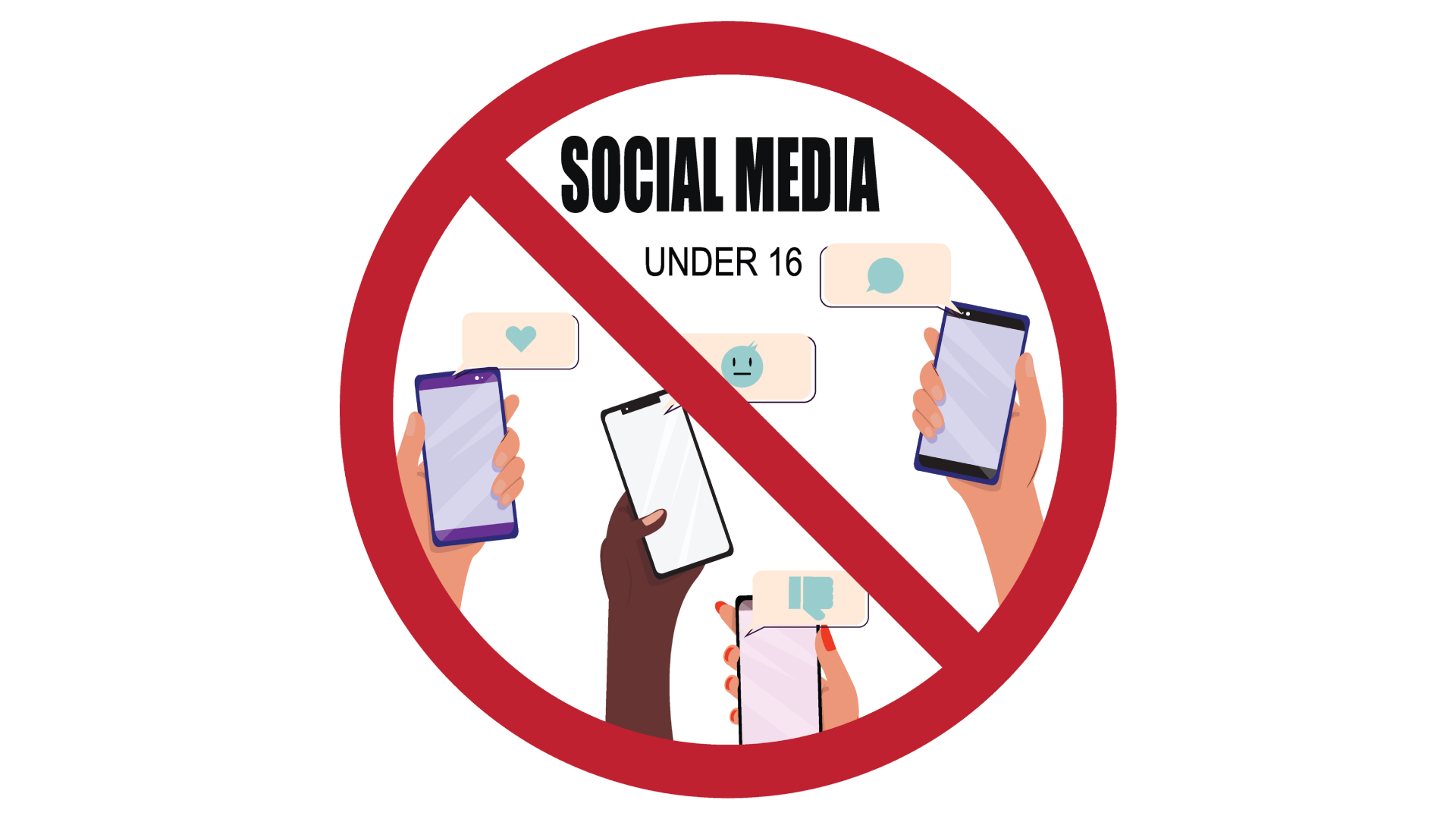
The France National Assembly has approved a bill that would restrict children under 15 from accessing social media platforms such as TikTok and Snapchat. The bill has now been passed to the Senate for approval before it can become law.
The move comes just days after the UK launched a consultation on similar measures. France now joins countries such as Greece, Denmark, and Spain in considering tighter limits on social media access, drawing on lessons from Australia’s under-16 ban that took effect in December.
READ: The UK Is Considering Regulating Infinite Scroll on Social Media
Supporters for the French bill argue that while social media may not be the sole cause of mental health challenges among teenagers, it plays a significant role in cyberbullying and exposure to harmful content.
Its critics, however, say the ban risks being overly simplistic. Australia’s experience has raised questions about enforcement, with reports suggesting that underage users were still able to access platforms.
This raises a practical question: are age-verification systems strong enough to enforce these rules in reality? To answer that, it helps to examine the types of technologies platforms would need to use to make age verification more reliable.
Most platforms that claim to restrict access by age still rely on self-declared information, where users enter their date of birth. This approach is weak by design, as users can easily lie and platforms often have little incentive to verify ages unless regulations require them to do so.
If governments want stricter enforcement, platforms would likely have to adopt one or more of three other approaches to age-verification: document-based verification, AI-based age estimation, and third-party verification services.
Document-Based Verification
Document-based age verification is similar to how platforms check if an individual is old enough to purchase alcohol. Platforms would require users to upload a government-issued ID, such as a national ID card or passport.
This method is highly accurate and difficult to bypass. However, it raises serious privacy concerns particularly when it involves collecting sensitive personal data from children.
It also presents accessibility challenges in countries where formal identification documents are not universally available. Platforms would need to weigh the cost and complexity of adapting their systems to such markets against the value of enforcing age limits consistently.
READ: Australia Becomes First Country to Ban Social Media for Users Under 16
AI-Based Age Estimation
AI-based age estimation relies on machine learning models that analyze facial features from selfies or short videos to make an educated guess about a user’s age.
This approach is faster and less intrusive than document checks, but it is also less precise. The accuracy of these models depends heavily on the data they are trained on, which introduces risks of bias, especially for non-Western demographics.
For users near age limits, small errors can make a big difference. In reality, telling a 15-year-old apart from a 16-year-old accurately is not a simple task.
Third-Party Verification Services
A third option is to outsource age-verification entirely. In this model, platforms receive a simple yes-or-no response from an external provider that confirms whether a user meets the age requirement.
The appeal is that platforms can achieve document-level accuracy while reducing their direct exposure to sensitive data. In theory, local verification providers could also be better aligned with local identification systems.
However, like any outsourced system, this introduces trust and oversight risks. Weak regulation or poor incentives could lead to inconsistent standards or encourage providers to approve more users than they reject in order to maximize revenue.
For platforms, this approach adds cost but may reduce liability, particularly in cases involving age-related harm or addiction claims.
Some third-parties like verifymy offer hybrid approaches instead of relying on a single verification method. They can combine document-based verification with AI-based age estimation. For example, a user may be asked to upload an ID and provide a selfie.
Age-verification alone cannot fully protect younger users from the influence of social media. Children can still share accounts or gain access through older siblings and friends. Platforms may also under-enforce restrictions to avoid losing large segments of their user base.
There is also the broader issue of uneven identification infrastructure. In East Africa, for example, digital ID systems may still be under-developed and inconsistently adopted. That makes large-scale age-verification more complex than simply mandating it in law.
So, any serious attempt to enforce social media age bans must answer three key questions: How will verification be done? Who is responsible for verifying users? Where does accountability lie if the system fails?
The governments advancing these restrictions are assigning a clear risk level to the influence of social media on children and acting accordingly. But for these bans to work in more than name, legislators must be prepared to require platforms to fundamentally rethink how identity and access work online.
For now, attention turns to France’s Senate and to how they actually implement a ban like this one.