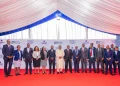





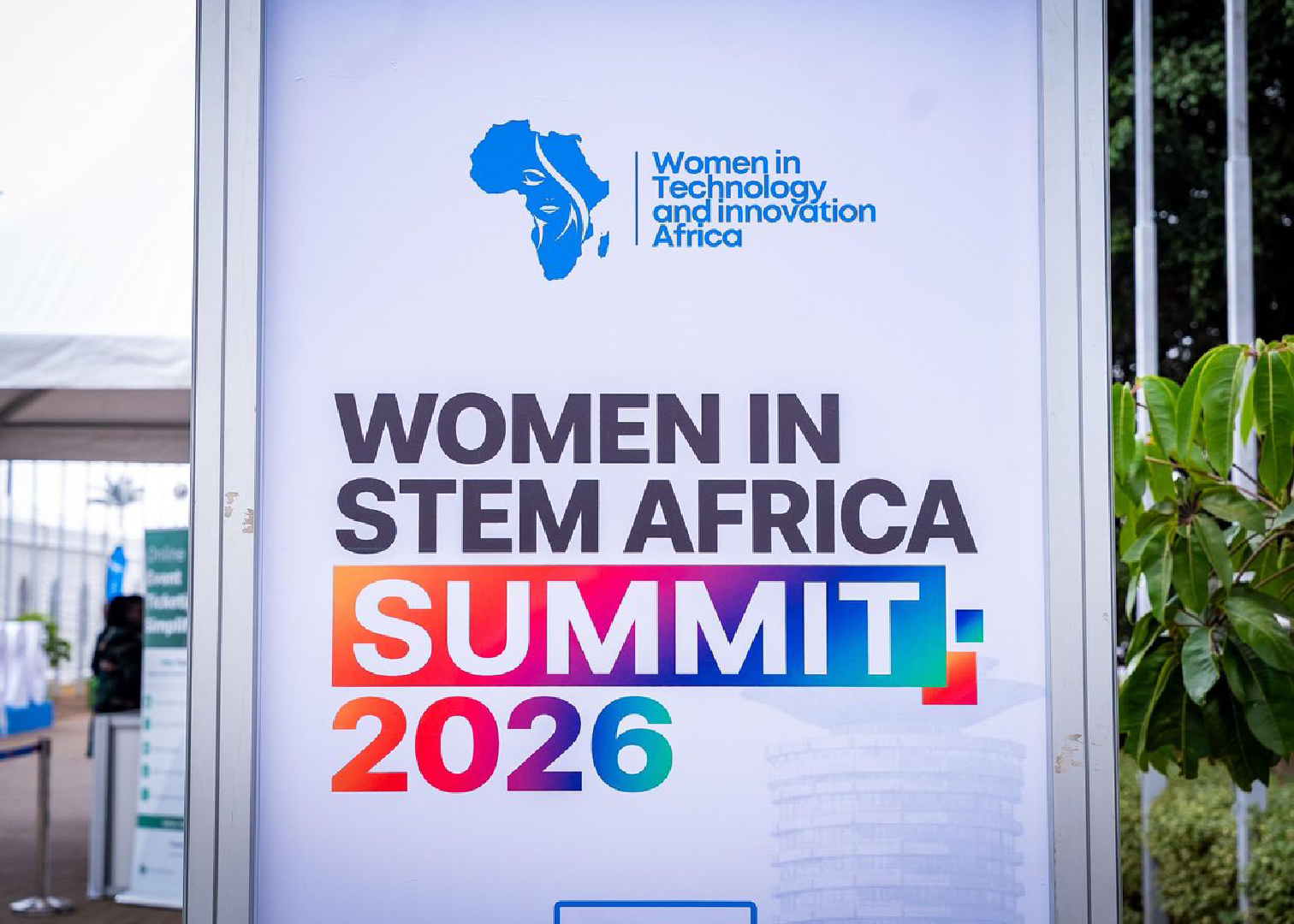
The Women in STEM Africa Summit 2026 opened in Nairobi on September 3, with organizers and government officials pressing for concrete investment in women’s education, research, and enterprise across Africa’s STEM sector.
The two-day event runs through September 4 at the Kenyatta International Convention Centre, organized by Women in Technology and Innovation Africa (WITIA) in partnership with UNESCO.
The summit brings together policymakers, educators, investors, and innovators under the theme “Discovering Talent. Driving Innovation. Shaping Africa’s Future,” with sessions covering leadership, policy, AI, digital transformation, and entrepreneurship.
Cabinet Secretary for Cooperatives and MSMEs Development, Hon. Wycliffe Oparanya, the Chief Guest, tied STEM innovation directly to enterprise development, calling for women and young innovators to gain access to skills, finance, markets, and networks.
A policy dialogue session on building an inclusive innovation ecosystem covered responsible AI, data governance, and technology policy.
The discussions centered on the frameworks needed to let women, young people, and emerging entrepreneurs participate meaningfully in Africa’s innovation economy, with a recurring point that governance and policy must ensure the benefits reach communities and not just headline sectors.
The Summit’s Investor Pitch Arena gave startups and innovators a platform to present before investors and industry leaders, with WITIA awarding KES 500,000 to the winning startup along with access to venture capital partners.
The organization framed the prize as one way to close the gap between promising ideas and the capital needed to scale them.
Cabinet Secretary for Education Hon. Julius Migos Ogamba and PS for Higher Education and Research Dr. Beatrice Muganda Inyangala also featured on day one, addressing earlier stages of the pipeline: education systems that prepare girls to create rather than just seek jobs, and universities that link research to industry and enterprise.
WITIA runs ongoing programs in mentorship, scholarships, and its Smart Libraries initiative as part of its broader work on the gender and digital divide, with day two set to continue the Summit’s discussions on Africa’s innovation economy.