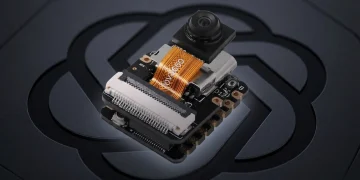





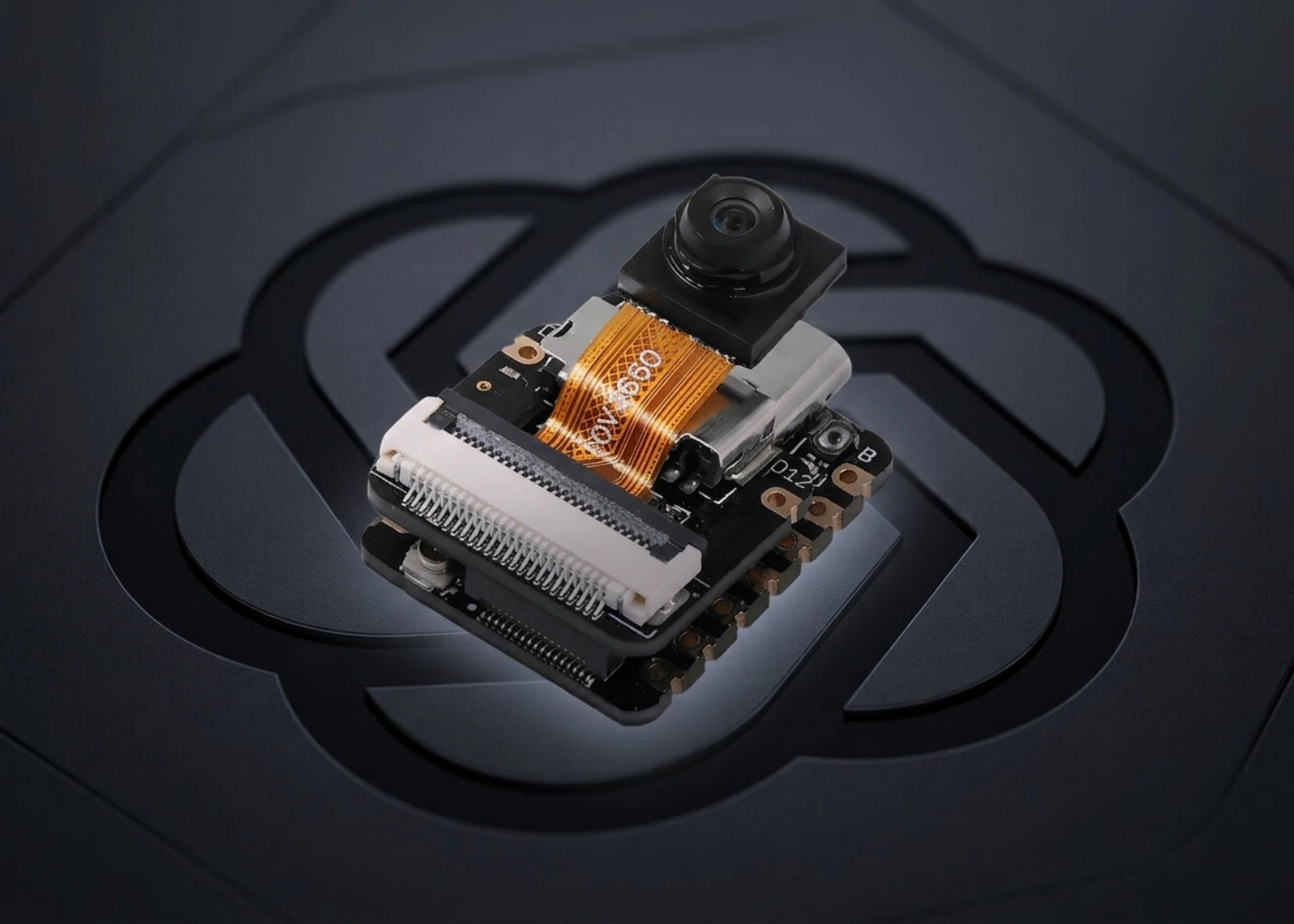
On September 30, OpenAI’s security team ran a routine countersurveillance sweep and found something taped up behind a TV in an executive conference room. It was a small circuit board wrapped in toilet paper and plugged into the TV’s USB port.
By the time the dust settled, the company had fired one of its own engineers, the FBI had made an arrest, and federal prosecutors had unsealed a complaint.
The Discovered Device
According to the criminal complaint, the gadget was a Seeed XIAO ESP32-S3 Sense. It is a thumb-sized development board with a detachable camera sensor, a digital microphone, and microSD storage. It sells on Seeed’s website for $13.99.
OpenAI called the device “sophisticated” and told TechCrunch it had advanced encryption, audio monitoring, and a way of moving data that was built to dodge monitoring.
It is unclear how technically different it is from other recording devices. The data on the microSD card was encrypted, so OpenAI’s security staff could not read it.
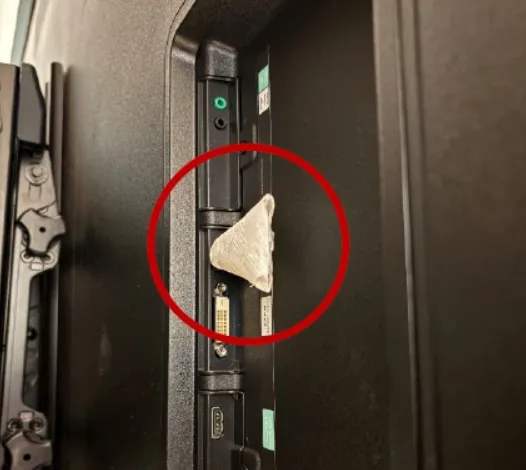
It was also strategically planted as according to the complaint, only executives and executive assistants can reserve that room. It hosts internal leadership meetings, technical and product sessions, and briefings with business partners and government officials.
Prosecutors say conversations there often cover highly confidential material on research, products, business strategy, and government relationships.
The Suspect
Prosecutors identified the employee as Abdulrahman Alfozan, a 35-year-old Saudi national and US permanent resident who joined OpenAI’s product team in July 2025.
Before that, he reportedly worked at a cargo logistics startup and at Meta, according to a purported LinkedIn profile.
The same profile lists him as a part-time venture partner at RAED Ventures, a Saudi venture capital firm. In a recent podcast interview, he said he was part of a group of Saudi engineers in Silicon Valley who offered consulting services to Saudi organizations.
How They Caught Him
OpenAI says it used its own AI models to analyze the device and work out where it came from. Combined with chat logs and surveillance footage, that pointed to one employee who had planted it a few days earlier.
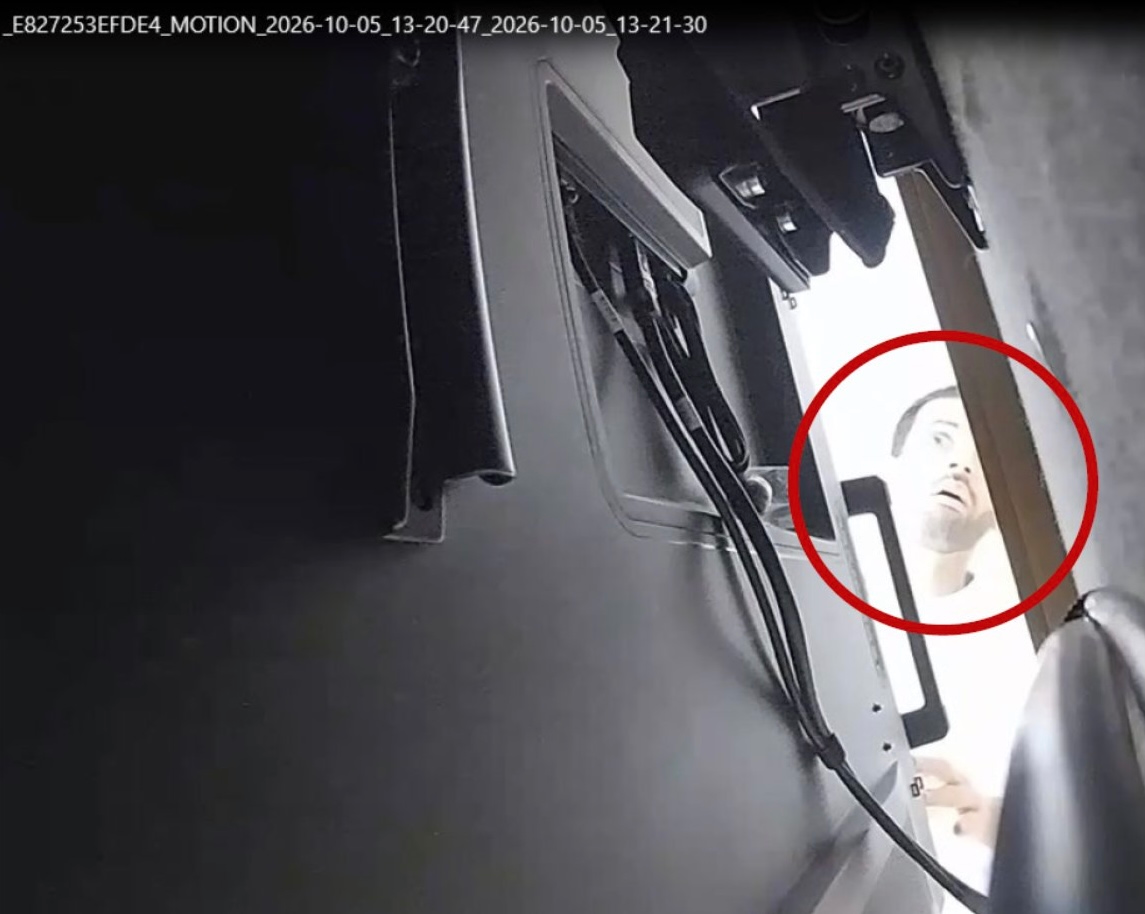
The evidence in the complaint is where the story gets unusual. Alfozan did not have access to the executive conference room, but CCTV footage allegedly shows him near it on multiple dates before the device turned up.
Footage also allegedly shows him looking behind the TV where the device was installed. OpenAI had placed a camera there, and it reportedly caught him doing exactly that.
The complaint also describes a trail of AI queries. Prosecutors say Alfozan spent several weeks asking an unspecified “productivity agent” and an “AI chatbot” for help planning the operation. He allegedly used an internal OpenAI tool to ask about meetings scheduled in the targeted room.
He also appears to have used a chatbot account tied to his spouse to ask technical questions about setting up a covert audio recorder. The complaint says the device was planted no later than about September 28.
On October 5, OpenAI security found a bag left unattended in a printer room. Inside were his wallet, his ID, other personal items, and a second encrypted Seeed listening device. Security took the second device out and left the rest.
Then, according to the complaint, Alfozan reported the bag missing and later retrieved it from the lost and found. He followed up with OpenAI staff to say some items were still missing, including a credit card, about $500 in cash, and two AirPods.
He did not mention the listening device. Prosecutors point to that omission as telling, since the device was the one thing he knew security had taken.
Meanwhile, OpenAI gradually cut off his access to company systems while the investigation continued.
Arrest and Charges
Alfozan was fired and arrested on Friday, October 9. He made his first appearance in US District Court in San Francisco on October 13.
He faces one charge of using an electronic, mechanical, or other device to intercept oral communications, which carries up to five years in prison if he is convicted.
What Nobody Knows Yet
The biggest open question is why. Prosecutors and OpenAI have not offered a motive.
FBI Director Kash Patel said the scheme was meant to “capture sensitive communications about the company’s super intelligence technology,” and called protecting American innovation a top counterintelligence priority.
That is a statement from the FBI, not a finding from the complaint, and the charge itself says nothing about who the recordings were meant for.
What OpenAI does say is that it has no indication Alfozan improperly accessed or took model weights, source code, or customer data. The FBI’s investigation is ongoing.