





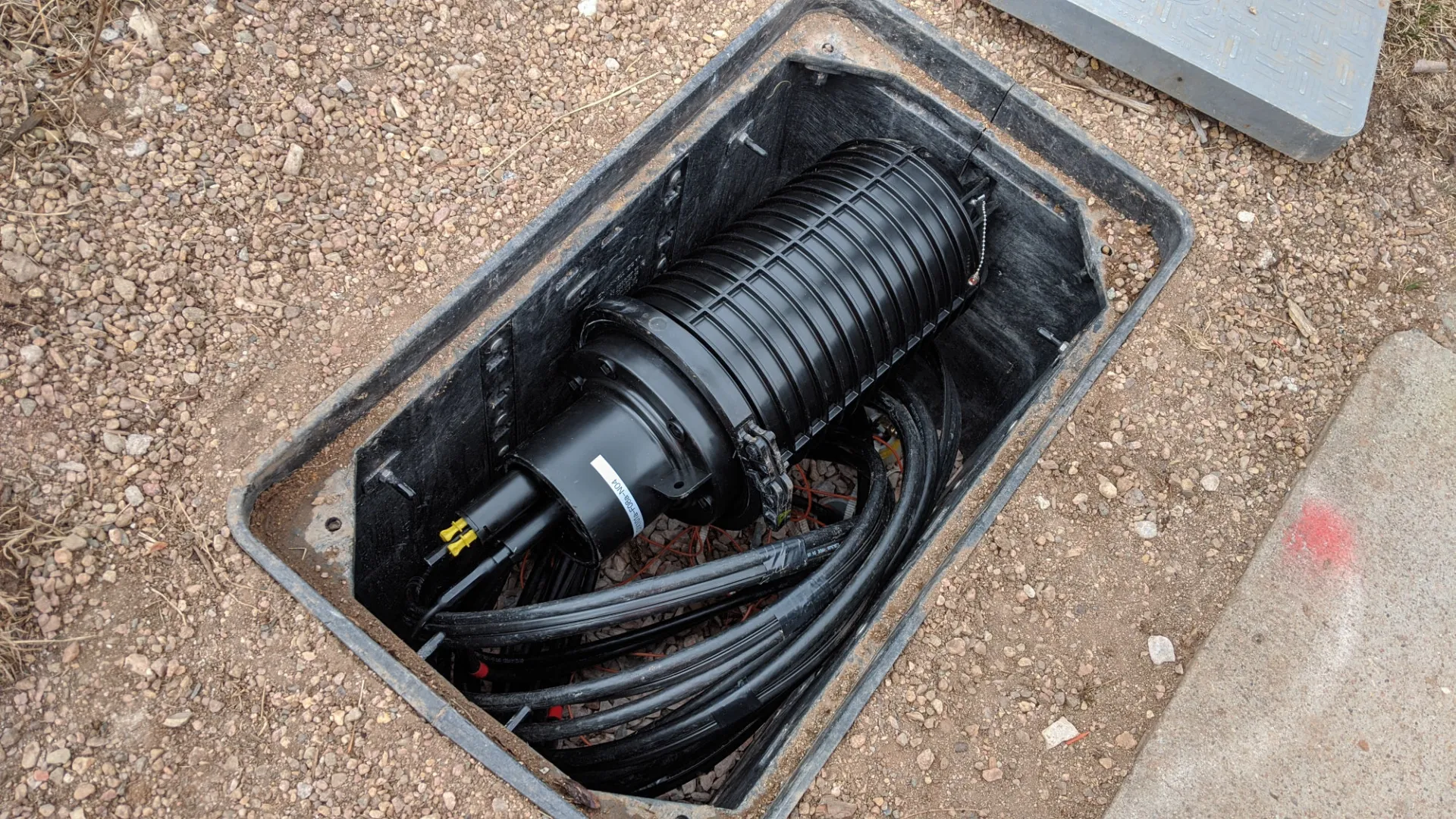
The Kenyan government is about to shake up the telecom industry by making competing companies share their infrastructure.
Under new regulations proposed by the Ministry of ICT and the Digital Economy, telecom operators and internet service providers will have to open up their cell towers, fiber cables, data centers, and other expensive equipment to their rivals.
According to the Kenya Information and Communications Infrastructure Sharing Regulations 2025, instead of each company building its own network of towers and cables across the country, they’ll be required to let competitors use existing infrastructure on fair terms.
Why Are ISPs Being Forced to Share Infrastructure?
The government’s logic is that Kenya has too many redundant installations cluttering up the landscape, and building separate networks for each operator is wastefully expensive.
By mandating infrastructure sharing, regulators hope to slash the cost of expanding internet and mobile coverage while reducing the environmental mess of multiple tower installations.
Cabinet Secretary William Kabogo, who announced the sweeping ICT sector overhaul, argues the change will create a more level playing field in the digital economy.
Currently, a handful of major players control most of the essential infrastructure, making it expensive and difficult for smaller companies to enter the market.
The sharing mandate could lower barriers to entry for new telecoms. Instead of spending millions building towers and laying cables from scratch, newcomers could piggyback on existing networks.
The Environmental Angle
Urban residents and county governments have been complaining for years about the proliferation of cell towers and masts cluttering cities and towns.
Each telecom operator typically builds its own towers, creating a forest of competing infrastructure that many consider an eyesore and potential health concern.
Under the new rules, multiple operators would share single installations, reducing visual pollution and potentially addressing some health worries about electromagnetic radiation from multiple nearby towers.
What’s the Catch?
While infrastructure sharing might sound like an obvious win, it comes with its own challenges for telecom companies. Sharing networks makes it harder for operators to differentiate their services and maintain competitive advantages.
If everyone’s using the same towers and cables, how do you convince customers your network is superior?
Companies also worry about competitors potentially sabotaging shared infrastructure or overloading systems during peak usage periods.
Coordinating maintenance, upgrades, and emergency repairs across multiple operators and ISPs using the same equipment could become a logistical nightmare.
There’s more beyond the infrastructure sharing rules that cover broadcasting, spectrum allocation, consumer protection, postal services, and electronic communications.
The government also wants tighter consumer protection standards, requiring telecoms and broadcasters to improve customer service, protect user data better, and maintain higher quality standards.
New spectrum management rules seek to ensure fairer allocation of radio frequencies, while broadcasting regulations will push for more local content and diverse viewpoints on Kenyan airwaves.
We asked the Ministry of ICT and the Digital Economy to clarify how it plans to ensure that this policy will not discourage private investment in network expansion, and how it will prevent sharing from causing slower rollouts or a decline in customer experience.
However, the Ministry did not respond to our request for comment on these issues.
Public Participation
The public has two weeks to comment on the proposed regulations before the ministry finalizes them. Once implemented, the rules could fundamentally change how Kenya’s telecom sector operates.
It could potentially make internet and mobile services cheaper and more widely available while forcing established players to rethink their business strategies.
This would be a win for consumers, giving them better coverage at lower costs. For telecom companies, it would mean adjusting to a new reality where infrastructure is shared instead of guarded as a competitive advantage.