






Kenya’s Competition Authority (CAK) just released its annual report for the 2024/25 financial year, and buried inside the usual numbers on mergers and fines is a quieter story about technology changing how markets are policed and how they misbehave.
The Authority reviewed 128 merger applications, up 20% from 107 the year before, and cleared deals worth more than KES 25 billion in new investment.
It also handed out KES 1.44 billion in penalties for anti-competitive conduct in sectors like steel, retail, and finance.
However, the more interesting shift is in how companies are starting to break the rules, and how the regulator is trying to catch them.
Cartels Are Now Turning to AI
For decades, cartels needed people in a room agreeing to fix prices. That left a paper trail, phone records, or at least a witness.
The Authority’s leadership flagged something different this year: businesses using AI and big data to coordinate or distort markets in ways that are much harder to trace back to a human decision.
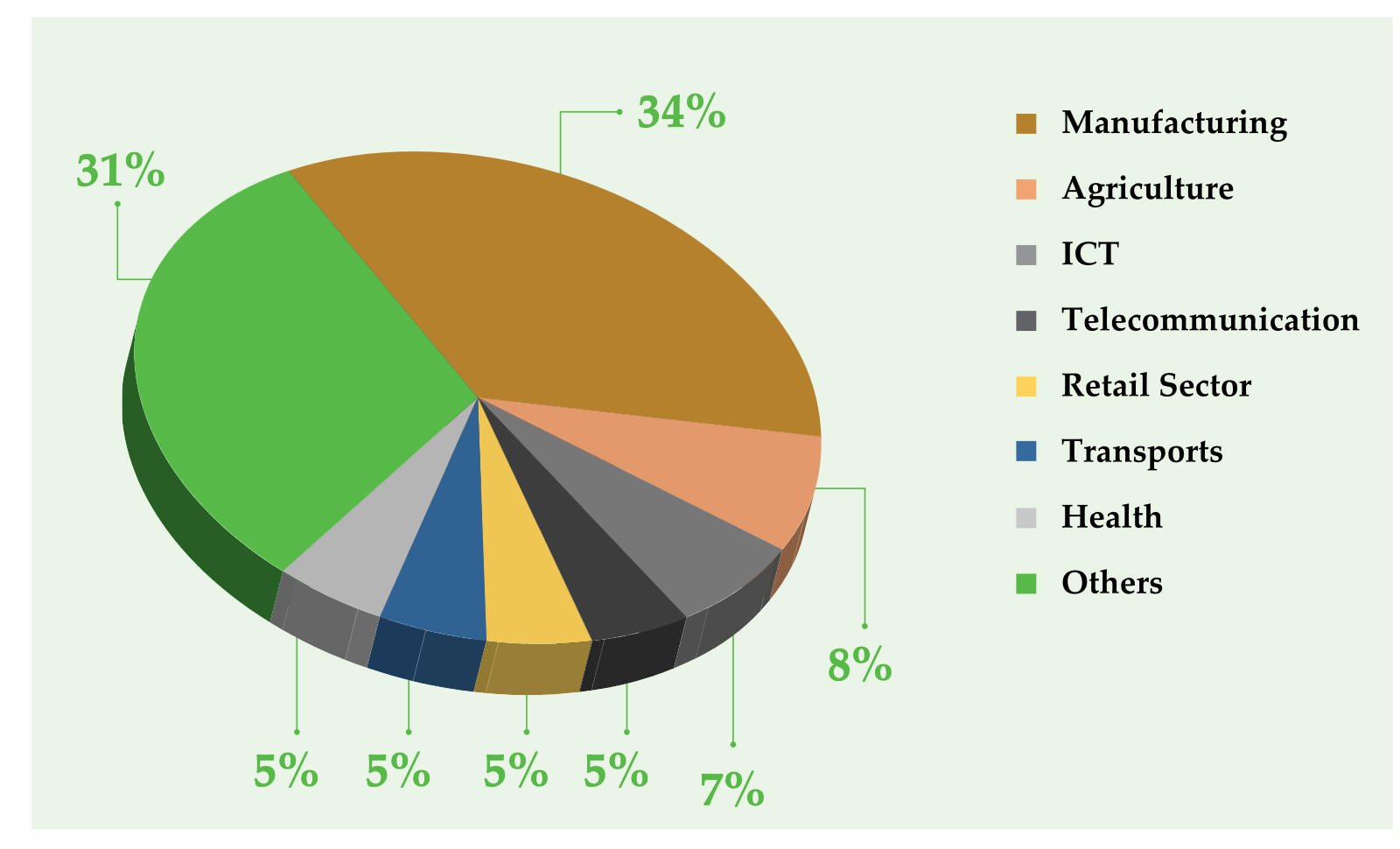
Pricing algorithms can learn to mirror competitors’ prices without anyone ever picking up a phone, which makes the intent behind the behavior nearly impossible to prove using traditional evidence.
CAK admits this is a real problem. Cartel investigations already take up to three years to move from initial fact-finding to a final decision, and the report says the growing use of digital tools is adding even more complexity to that process.
Regulators built their toolkits for phone taps and email chains, not for tracing decisions made inside a machine learning model.
Fighting Back With a Forensic Lab
To keep up, CAK built its own digital forensics laboratory during the year. The lab is equipped to pull data off phones, laptops, and other devices and to sift through financial and documentary evidence in complex cases involving cartels, bid-rigging, and price-fixing.
Instead of just relying on informants or paper trails, investigators can now reconstruct a company’s electronic footprint directly, which the Authority expects will produce sturdier evidence when cases go to court.
It’s a small but telling investment. A competition regulator running its own forensic lab is effectively an admission that a lot of modern corporate misconduct now lives on hard drives and cloud servers rather than in filing cabinets.
Upgrades From Legacy Systems
Behind the scenes, CAK also replaced the aging enterprise system that runs its own internal operations, moving from Microsoft Dynamics NAV 2016 to Microsoft’s newer BCERP platform.
The pitch is standard for any IT upgrade: automatic updates, stronger security, and analytics that are supposed to speed up decision-making and cut down manual paperwork.
A regulator asking companies to modernize their compliance and data practices has more credibility when its own back office isn’t running on outdated software.
CAK also rebuilt its website using newer web technologies and a modern content management system.
The update was meant to improve security and make the site easier to use on mobile devices, reflecting the fact that more businesses and consumers now access government services online instead of visiting physical offices.
Where the Actual Complaints Are Coming From
The most concrete evidence of how technology is changing Kenyan markets shows up in the consumer complaints data. Complaints against digital lenders and microfinance apps jumped to 61% of all financial sector complaints, up sharply from 34 % the previous year.
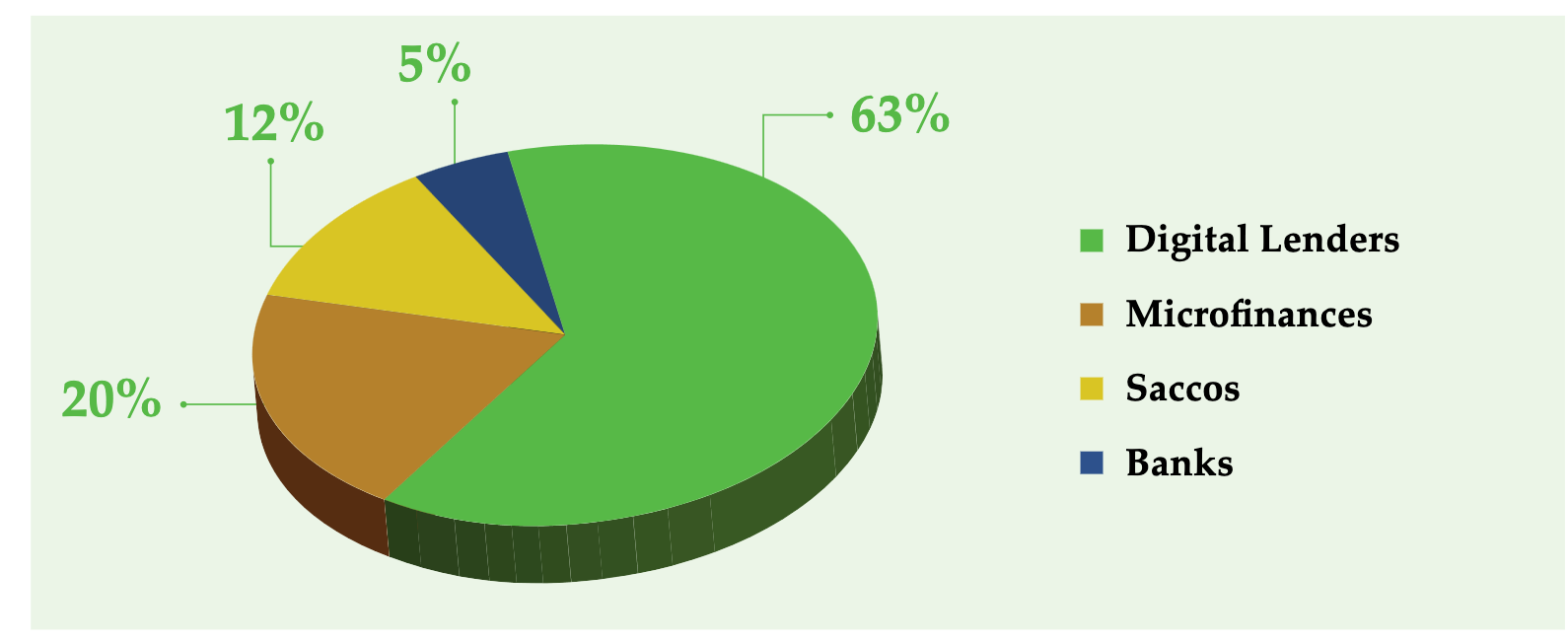
The report links this directly to the explosion of mobile lending apps that make borrowing easier but often come with misleading terms, hidden charges, or loan conditions that change without warning.
READ: How a Digital Lending Loophole Turned a KES 300K Loan Into a KES 500K Payment
E-commerce is following the same pattern. CAK saw a rise in scam and fraud complaints tied specifically to online trade during the year, serious enough that it started working directly with Kenya’s Directorate of Criminal Investigations (DCI) to handle cases that had crossed into outright fraud rather than simple consumer disputes.
Even the merger data has a tech thread running through it. One of the smaller but notable deals reviewed this year was the acquisition of Tawi Fresh Kenya, a digital marketplace connecting farmers with commercial buyers, by EDAA International Kenya.
Another involved Novus Holdings increasing its stake in a software publishing company.
Digital taxi services also showed up as their own tracked category in the Authority’s restrictive trade practices investigations, a sign that ride-hailing platforms are now common enough in Kenya’s market disputes to warrant their own line item in the statistics.
READ: Kenya Airports Authority Plans to Launch Taxi App at JKIA to Take On Uber and Bolt
None of this means Kenya’s competition regulator has suddenly become a tech company. It is still mostly occupied with cement prices, animal feed, and steel cartels, and those cases still make up the bulk of its casework.
Still, the report makes clear that digital markets, AI-assisted pricing, mobile lending apps, and e-commerce fraud are no longer edge cases for the Authority.
They’re becoming a defined part of its caseload, and the Authority’s own strategic plan through 2027 name-checks big data and AI as issues it expects to spend more time on.
For a regulator whose job is essentially detecting when companies quietly coordinate against consumers, that’s a big admission. The tools for cheating markets are changing, and the tools for catching cheaters are having to change just as fast.