




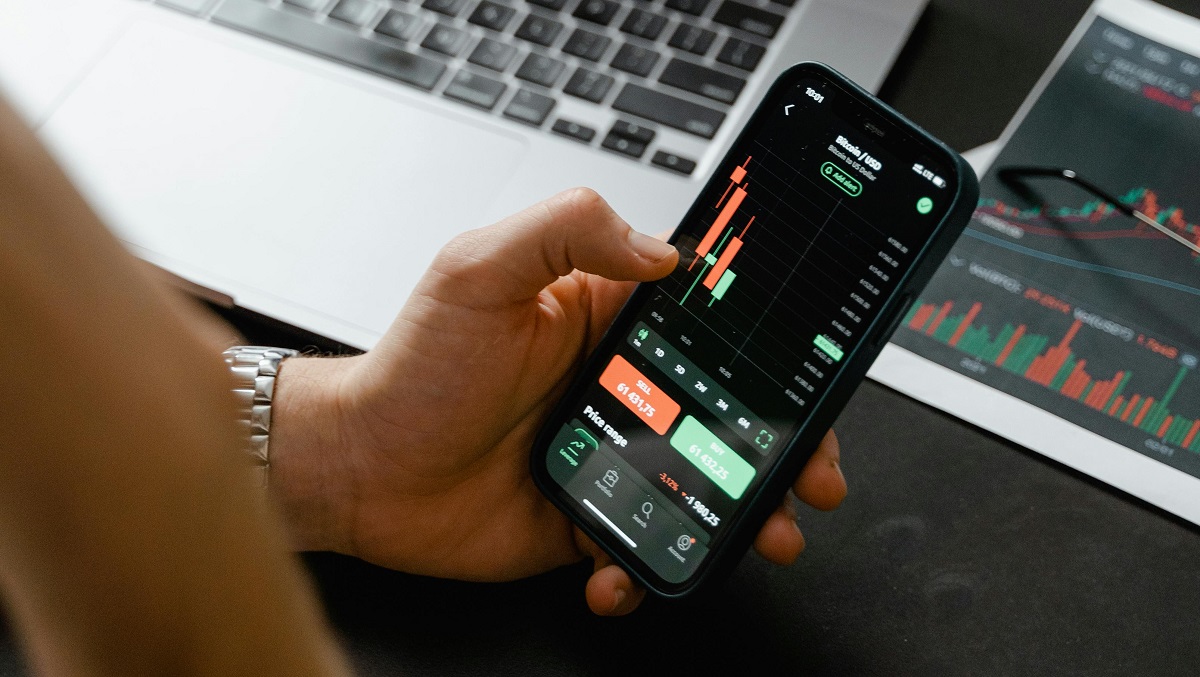
In financial circles, data used to be a tool. Now, it’s currency. African forex traders are no longer simply reacting to market shifts—they’re predicting them with machine precision. Armed with vast datasets, they’re using big data to sharpen their timing, understand correlations, and squeeze more efficiency out of every entry and exit. This isn’t about flashy dashboards or shallow indicators. It’s about harnessing serious analytical power to trade smarter.
The shift is being driven by more than just interest rates and economic reports. It’s about survival in a game where milliseconds matter and the wrong move can cost real money.
From Intuition to Intelligence
Historically, many African traders relied heavily on chart patterns, economic news, and gut instinct. But in today’s fast-moving markets, raw intuition is not enough. Big data analytics has introduced a new paradigm where traders can extract statistically significant patterns from noise. Think backtested strategies built on thousands of trades. Think real-time sentiment analysis that picks up shifts in market mood before it hits the headlines.
This transformation is tied closely to access. Internet penetration in Africa has more than doubled in the last decade. Nowhere is this more apparent than in how they use data.
- Volume-based strategies fueled by tick data
- Price action clustering refined using machine learning
- Sentiment signals extracted from social media and global news streams
The Global Scene Rises, and Africa is a Perfect Example
Forex is a global beast. A trader in Lagos is influenced by decisions made in Tokyo, London, and Washington within the same trading day. That’s why global data—macroeconomic releases, institutional positioning, geopolitical news—has become part of every serious trader’s daily workflow.
But Africa isn’t just passively watching these shifts. It’s becoming a growing participant. In Kenya, for example, forex trading has surged among tech-savvy youth and side-hustling professionals. The local market is shaped not just by global trends but also by the increasing presence of local brokers.
Here’s where the detail matters: among the brokers in Kenya, a notable number offer advanced trading tools, including access to real-time market data and robust analytics. The presence of MetaTrader 5 brokers in Kenya has raised the bar. MT5 platforms support multi-asset trading and offer economic calendars, embedded tick charts, and algorithmic trading capabilities. This brings institutional-level tools into the hands of retail traders.
As the forex community in Kenya matures, traders are moving away from emotional decision-making and toward data-driven trading. They aren’t just reacting to global volatility. They’re preparing for it.
Pattern Detection as The Core of Data-Driven Strategy
The biggest edge big data gives traders? Pattern recognition.
Every currency pair has behavior traits. EUR/USD tends to respond quickly to US economic data. GBP/JPY is known for its volatility. But recognizing these behaviors on a broad scale requires something more than looking at candles on a chart.
Big data analytics lets traders:
- Analyze years of price movement in minutes
- Detect anomalies that precede major reversals
- Isolate low-risk, high-probability trade setups
A South African trader, for example, might use historical data to backtest a strategy on USD/ZAR that combines carry trade interest rates with real-time commodity prices. A Nigerian trader might monitor global Google search trends for economic anxiety as a proxy for USD strength.
These aren’t hypotheticals. They’re tactics being used today, often by individual traders who understand that the markets aren’t just moved by money. They’re moved by data.
Entry and Exit Precision – Why Timing Is Everything
The forex market is open 24 hours a day. But profitable windows are fleeting.
Data analytics sharpens the focus here. By examining historical volatility metrics and mapping them against specific timeframes, traders can pinpoint when certain pairs are most likely to trend or consolidate. This allows for cleaner entries and faster exits, minimizing drawdowns and slippage.
More importantly, these insights are not static. They adapt. Machine learning models used by advanced traders recalibrate based on market conditions. If a strategy stops working during high inflation periods, it adjusts. This constant refinement is something manual traders simply can’t match.
But it doesn’t stop at technical setups. Many African traders now overlay their technical analysis with real-time macro feeds—GDP releases, trade balance shifts, bond yield updates—to create layered confirmations. It’s not about trusting one data point. It’s about convergence.
Smarter, Not Busier
There’s a common misconception that big data makes trading more complicated. The reality is the opposite. It filters the noise. Traders spend less time chasing setups and more time executing on clean, data-backed opportunities.
As AI models and cloud computing become more affordable, the barrier to entry drops. Even entry-level traders in Ghana or Rwanda now have access to dashboards that would have cost thousands a decade ago.
The next leap won’t be in the size of the data but in how it’s personalized. Traders are already customizing models to fit their preferred pairs, timeframes, and risk tolerance. The data is there. The only difference between a struggling trader and a profitable one is how well they read it.
In the End
Data isn’t just an advantage in forex trading anymore. It’s a requirement.
African traders, particularly in countries like Kenya, Nigeria, and South Africa, are leaning into this shift with confidence. Tools like MetaTrader 5 and the rise of brokers in Kenya have made the landscape more accessible, but it’s the strategic use of data that truly separates amateur from professional.
Forex market is among the biggest nascent ones currently in the world. There’s a pie piece for everyone (who knows how to turn data into insight).