




Google is expanding Opal, its experimental AI app builder, to 15 new countries, including India, Japan, Brazil, and Singapore, as it looks to make app creation accessible to anyone.
While users across Asia and Latin America are getting access, Kenya and the rest of Africa will have to wait a little longer. Launched in July under Google Labs, Opal is a tool that lets users create simple web apps just by describing what they want in plain language.
For instance, a user could prompt Opal to “create a booking tool for managing meeting rooms,” and the system automatically generates a working prototype.
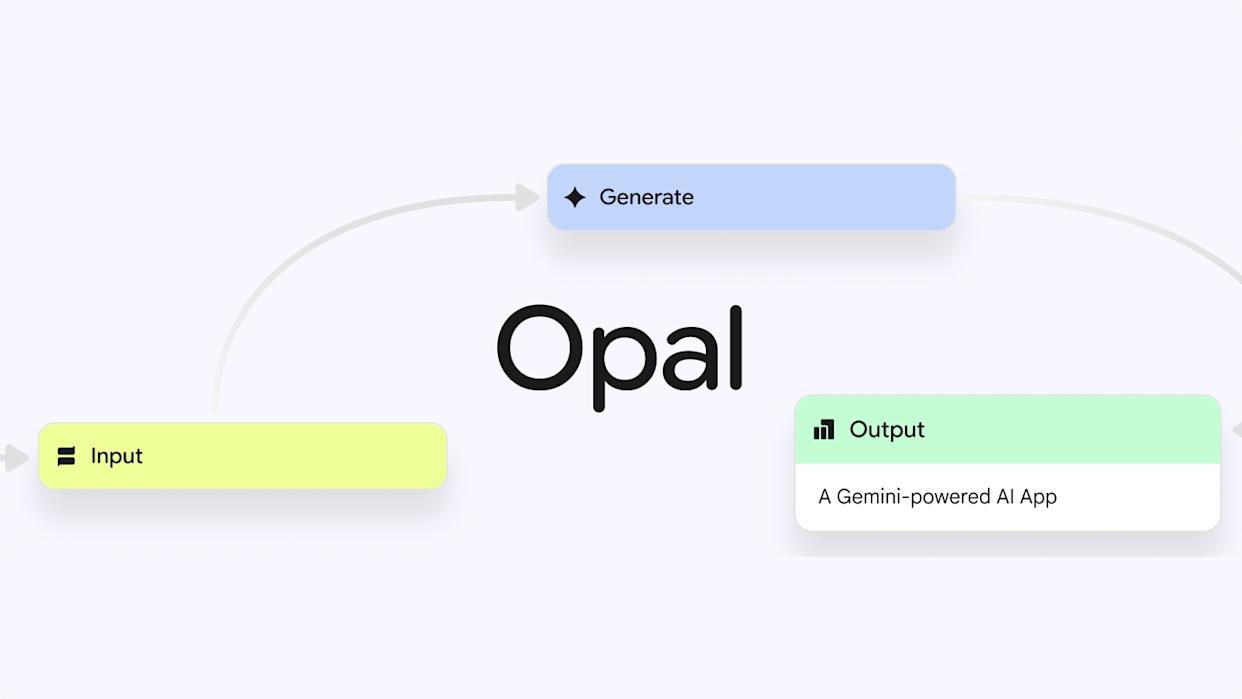
Once an app is created, users can fine-tune it using Opal’s visual workflow editor, which displays the logic behind each input, output, and generation step. When finished, the app can be published online and shared through a Google account link.
Google calls this concept “vibe-coding” because instead of syntax and scripts, you’re just giving the app a vibe and letting AI handle the rest.
According to Megan Li, a senior product manager at Google Labs, U.S. users surprised the company by building not just fun tools but also complex and highly creative applications.
“The ingenuity of these early adopters made one thing clear: we need to get Opal into the hands of more creators globally,” she said.
With this expansion, Opal is now available in Canada, India, Japan, South Korea, Vietnam, Indonesia, Brazil, Singapore, Colombia, El Salvador, Costa Rica, Panama, Honduras, Argentina, and Pakistan.
Alongside the wider rollout, Google has added several features to the app builder. The debugging system now allows users to run apps, step by step, in the visual editor and see exactly where things go wrong, all without writing code.
Google also made Opal faster. Creating a new project now takes just a second, down from five or more. And with parallel execution, users can run multiple steps simultaneously.
Who Stands to Benefit Most
Opal is designed for anyone with an idea. Small business owners can use it to create booking or invoicing tools, educators can design learning apps, and startups can quickly prototype ideas before investing in full development.
The integration with Google Workspace (Sheets, Drive, Gmail, et.al) also makes it ideal for teams already using Google tools. However, Kenyan users currently don’t have official access to Opal, and Google has not provided a clear timeline for rollout in Africa.