




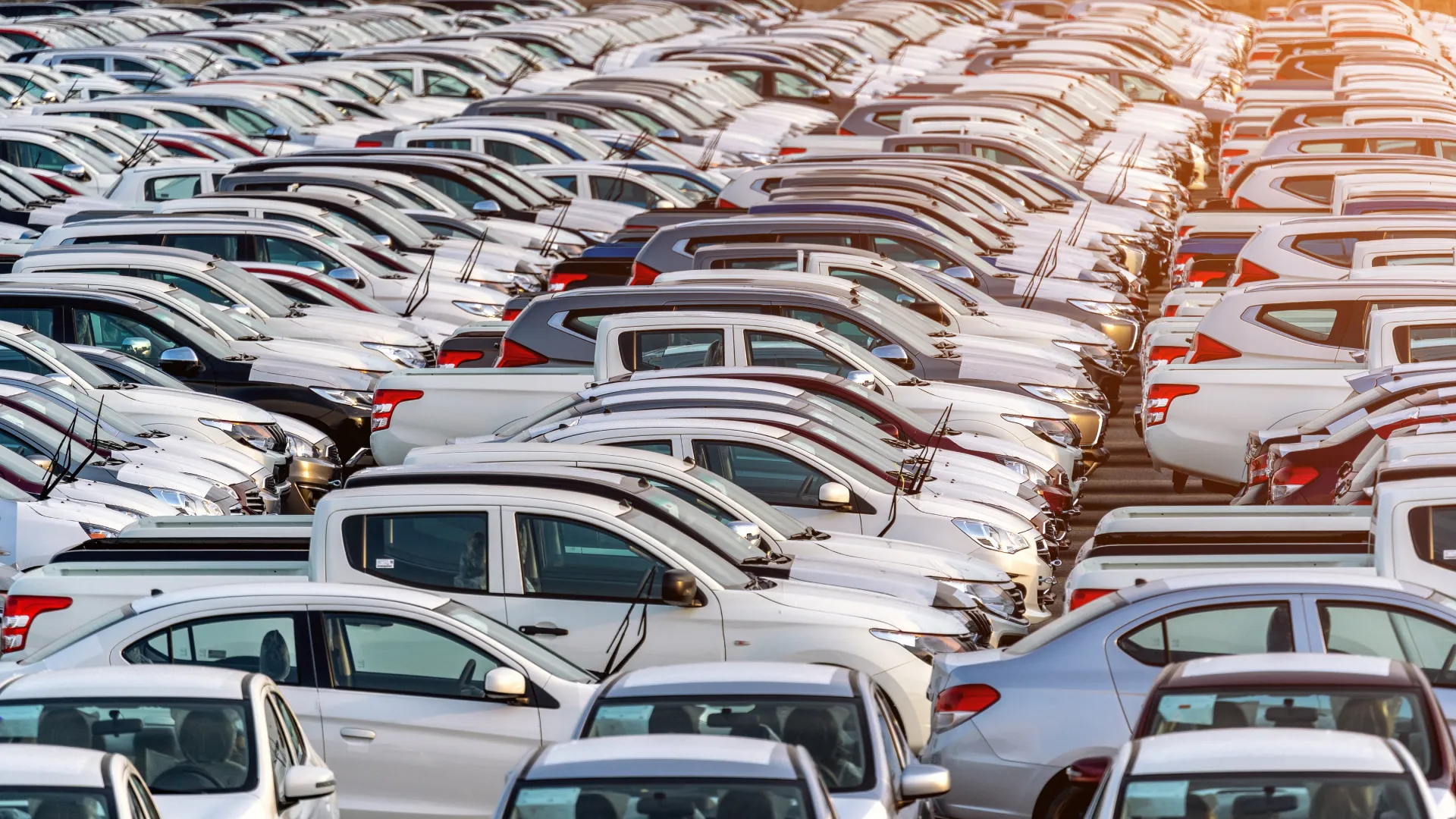
Kenya’s automotive industry is having its best year since 2019, with new car sales climbing nearly 25% in the first nine months of 2025.
The sector has finally shaken off a brutal four-year stretch that saw it battered by pandemic disruptions, supply chain chaos, currency volatility, and aggressive tax hikes.
Between January and September, dealers moved 9,924 new vehicles compared to 7,967 units in the same period last year, according to the Kenya Motor Industry Association (thanks, BD). That’s almost identical to the 9,940 units sold in early 2019, marking a complete recovery to pre-pandemic levels.
The comeback isn’t being led by private car buyers splurging on sedans and SUVs. Instead, it’s businesses snapping up commercial vehicles, including trucks, buses, and heavy-duty equipment.
Truck sales surged 43% to nearly 4,000 units. Small buses jumped an impressive 75% to 860 units, while medium buses grew 27% to 887 units. Even prime movers, those massive trucks that haul trailers, saw sales spike 57%.
This commercial vehicle boom signals something important: Kenya’s transport, logistics, construction, and industrial sectors are back in expansion mode. Companies are renewing their fleets and betting on growth.
Two dealers dominate the market, controlling roughly 80% of all sales. Isuzu East Africa sold 4,670 vehicles, up 27% from the previous year. CFAO Mobility Kenya, formed when Toyota Kenya merged with DT Dobie in 2023, delivered 3,268 units, a 21% increase.
These companies benefit from local assembly operations, which face lower import duties than fully built vehicles shipped from abroad. The turnaround comes down to three factors that finally aligned in 2025: interest rates dropped, the shilling stabilized, and inflation cooled off.
READ: Relief for Kenyans as Court Blocks KRA Tax Increase for Imported Cars
Commercial banks have been lending at an average rate of 15.17%, down from nearly 17% a year ago and a peak of 17.22% in November 2024.
The Central Bank of Kenya deserves credit here, as it slashed its benchmark rate from 13% in mid-2024 to 9.25%, making vehicle financing considerably cheaper for businesses looking to expand their fleets.
The exchange rate has also behaved itself, holding steady around KES 129-130 per dollar. That consistency matters because it keeps the cost of imported parts and complete units predictable, allowing dealers to maintain stable prices and protect their profit margins.
Unfortunately, the tax environment remains punishing. In July 2023, the Kenya Revenue Authority increased import duty on cars from 25% to 35% after getting approval from the East African Community.
On top of that base tariff, vehicles face excise duty ranging from 25% to 35% depending on engine size, plus the standard 16% VAT. As you can see, the math gets ugly fast. Excise tax applies to the landed cost plus import duty, then VAT gets slapped on top of everything.
Despite these costs, locally assembled vehicles have an edge because they avoid some of the import penalties, which explains why Isuzu and CFAO continue to dominate.
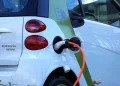
The government has started talking about pivoting its support from traditional vehicle assembly toward electric vehicles. Treasury documents from February emphasize that electric mobility is a priority for reducing emissions and air pollution while meeting transportation needs.
However, Isuzu has pushed back on the timeline, pointing out that the infrastructure isn’t there yet. Electric technology works fine for passenger cars and light vehicles where battery swapping is feasible, but long-haul commercial trucks powered by batteries remain impractical.
For now, the diesel-powered workhorses that built this recovery aren’t going anywhere.